How Long Does Vinyl Siding Last? (8 Factors That Affect Its Lifespan)
How Long Does Vinyl Siding Last?
If you’re wondering whether your vinyl siding is nearing the end of its life, you're not alone. Vinyl siding is a durable, low-maintenance exterior option — but like anything on your home, it won’t last forever.
Most vinyl siding lasts 20 to 40 years, though some high-quality, well-maintained products can exceed that. Factors like climate, installation quality, and regular upkeep play a big role in how long your siding will really last.
In this article, we’ll break down the expected lifespan of vinyl siding, how to spot signs of deterioration, and what you can do to make it last longer.
What Affects the Lifespan of Vinyl Siding?
While vinyl is known for its durability, the actual lifespan of your siding depends on a few key factors:
- Material Quality: Thicker, premium-grade vinyl tends to resist cracking, fading, and warping better than thin, builder-grade options.
- Installation: Poor installation can lead to warping, buckling, or trapped moisture. Proper spacing and fastening are critical.
- Climate Exposure: Intense sun, freezing temperatures, hail, and high winds can all shorten the life of vinyl siding.
- Maintenance Habits: Regular cleaning, inspections, and quick repairs prevent small problems from becoming big ones.
Presence of Insulation: Insulated vinyl siding tends to last longer and perform better in fluctuating temperatures.
7 Signs It’s Time to Replace Your Vinyl Siding
Even if your siding is relatively new, these signs may indicate it's time to consider replacement:
- Warping or Buckling – Often a result of improper installation or excessive heat
- Cracks or Breaks – Let in moisture and pests, weakening the home’s envelope
- Fading or Discoloration – UV exposure breaks down pigments over time
- Mold, Mildew, or Fungus – Suggests trapped moisture and poor ventilation
- Loose or Missing Panels – Wind damage or improper fastening can expose your home
- Rising Energy Bills – Poor insulation or gaps in aging siding can increase heating/cooling costs
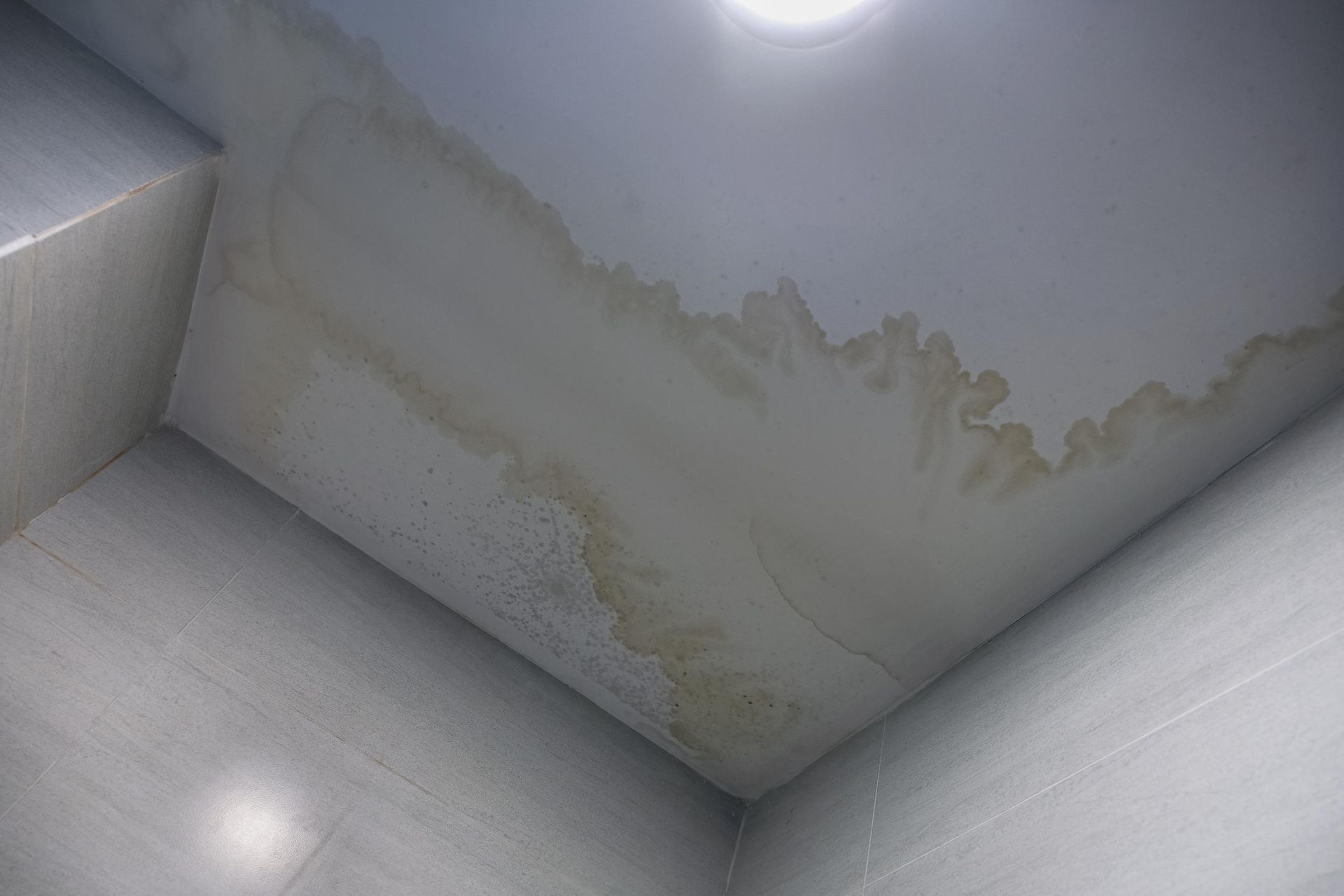
- Interior Wall Damage – Water stains or peeling paint inside can signal siding failure
If you spot one or more of these, it’s best to schedule a siding inspection.
Can Vinyl Siding Be Repaired or Should It Be Replaced?
Not every issue means you need a full replacement. Minor cracks, loose panels, or mildew can often be addressed with simple repairs.
However, consider a full replacement if:
- The siding is over 20 years old
- Multiple areas are damaged
- Your current siding has been discontinued and is difficult to match
- You’re remodeling and want to upgrade to more modern or efficient materials
How to Extend the Life of Your Vinyl Siding
You can significantly extend your siding’s lifespan by staying proactive:
- Clean it annually using a hose or pressure washer on a low setting
- Remove mildew or algae with a gentle solution of water, vinegar, or mild detergent
- Avoid physical damage from lawn equipment, grills, or ladders
- Inspect yearly for loose panels, cracks, or signs of pests
- Fix small issues early to avoid large repairs later
These habits go a long way in keeping your siding looking good and performing well.
Vinyl Siding Replacement Options
If it’s time to replace your vinyl siding, the good news is: you’ve got options.
- New Vinyl Siding – Now available in
fade-resistant colors,
insulated panels, and a wide range of textures
- Alternative Materials – Consider
fiber cement or
engineered wood for even more durability and visual appeal
- Energy Upgrades – Add insulation behind the new siding for improved comfort and lower energy bills
Today’s siding materials are more advanced than ever — and choosing the right one can add value and beauty to your home.
Final Thoughts: How Long Will Your Vinyl Siding Last?
In most cases, homeowners can expect 20–40 years of performance from quality vinyl siding — with the right maintenance. Regular inspections and cleaning can help you catch issues early and stretch the life of your siding further.
But when wear and tear starts to show, replacing your siding doesn’t just protect your home — it boosts curb appeal and resale value too.
FREQUENTLY ASKED QUESTIONS
About Vinyl Siding Lifespan
Share this Post