11 Signs Your Roof Is Leaking
A leaking roof rarely announces itself with a dramatic drip in the middle of the room. More often, water enters quietly and spreads through insulation, framing, and finishes long before the damage becomes obvious. Connecticut homes face heavy rain, snow, ice, and seasonal temperature swings that test every roofing system over time.
Recognizing early warning signals allows homeowners to respond before moisture affects structural components or indoor air quality. This guide explains the most telling signs of roof leaks, why they happen, and when professional evaluation becomes the smart next step.
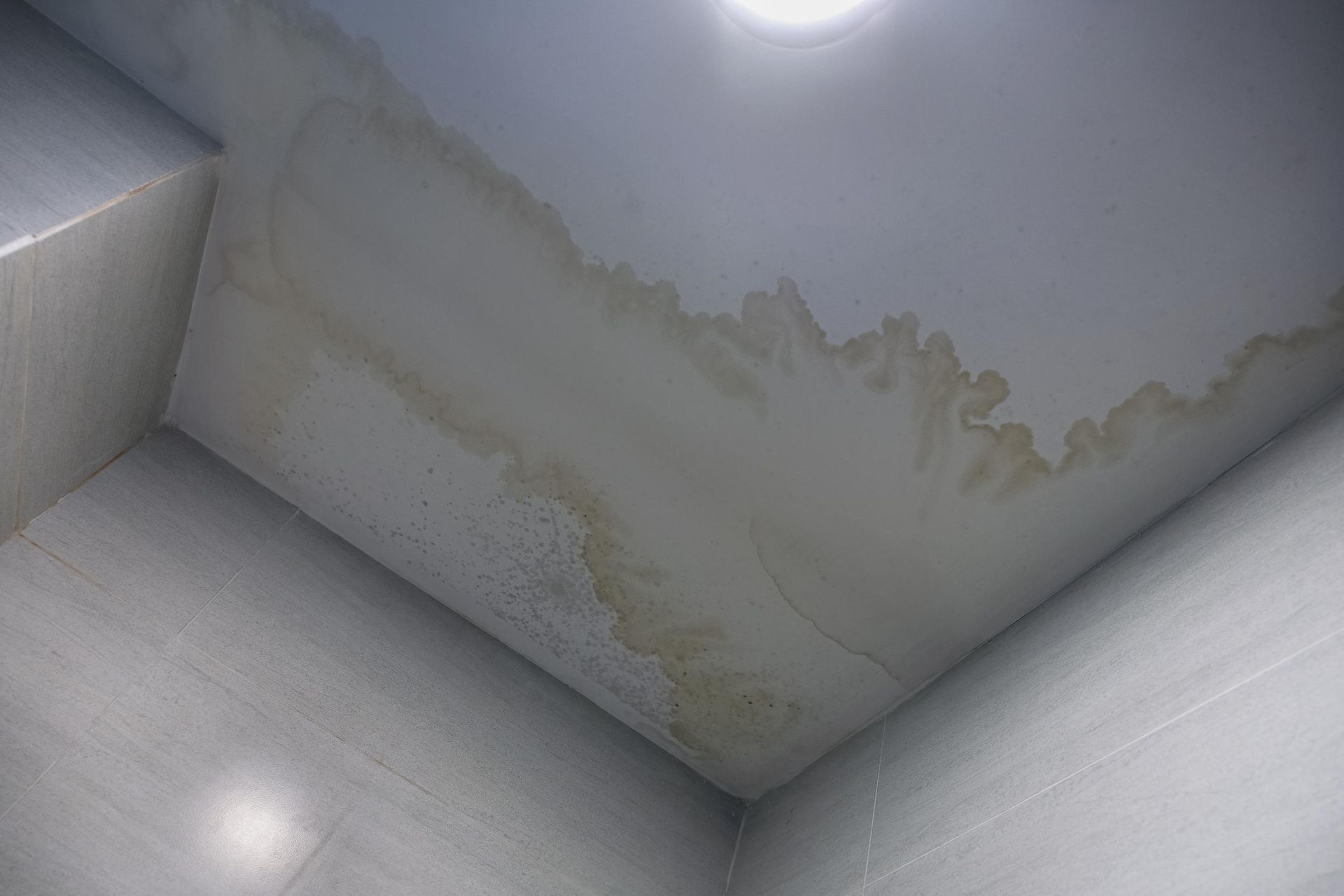
Water Stains on Ceilings or Walls
Discolored patches on ceilings or walls often signal water intrusion from above. These stains usually appear brown, yellow, or copper-toned and may expand after storms. Many homeowners mistake them for interior humidity issues, yet roof leaks remain a common cause.
Water can travel along rafters and framing, which means the stain may appear far from the actual entry point. Once staining appears, moisture has already passed through roofing layers and insulation, making timely inspection important to limit further spread.
Mold or Mildew Near the Roofline
Mold growth near upper walls, attic access points, or ceiling corners often develops when moisture lingers. Roof leaks introduce repeated dampness that allows mold colonies to thrive, especially in poorly ventilated areas.
Exterior mold patches near roof intersections can also point to flashing or drainage problems. Beyond cosmetic concerns, prolonged mold exposure affects indoor air quality and can signal hidden wood decay behind finished surfaces.
Damaged or Missing Shingles
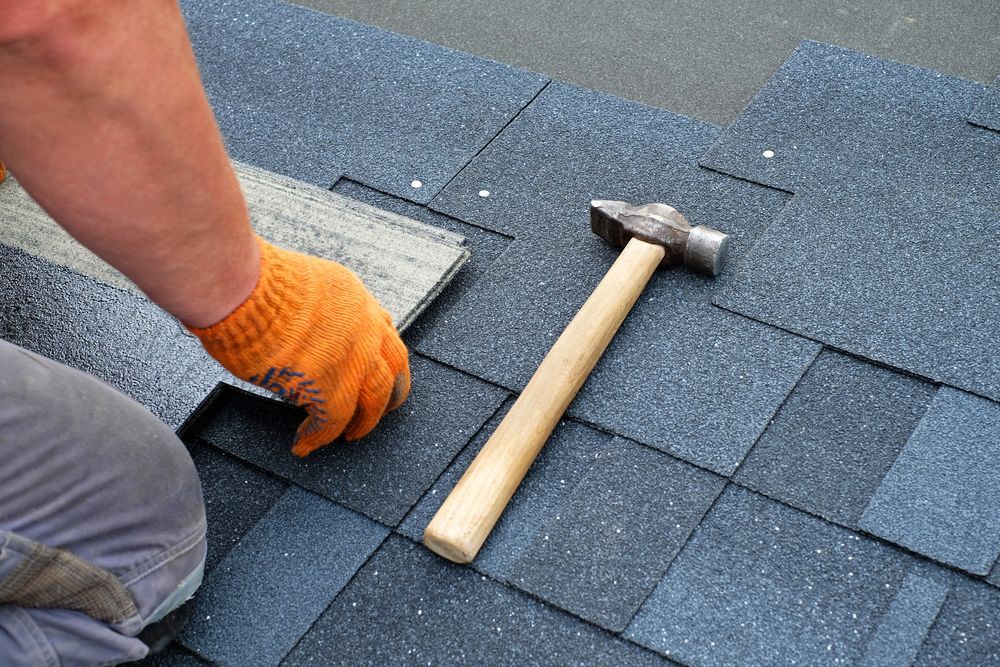
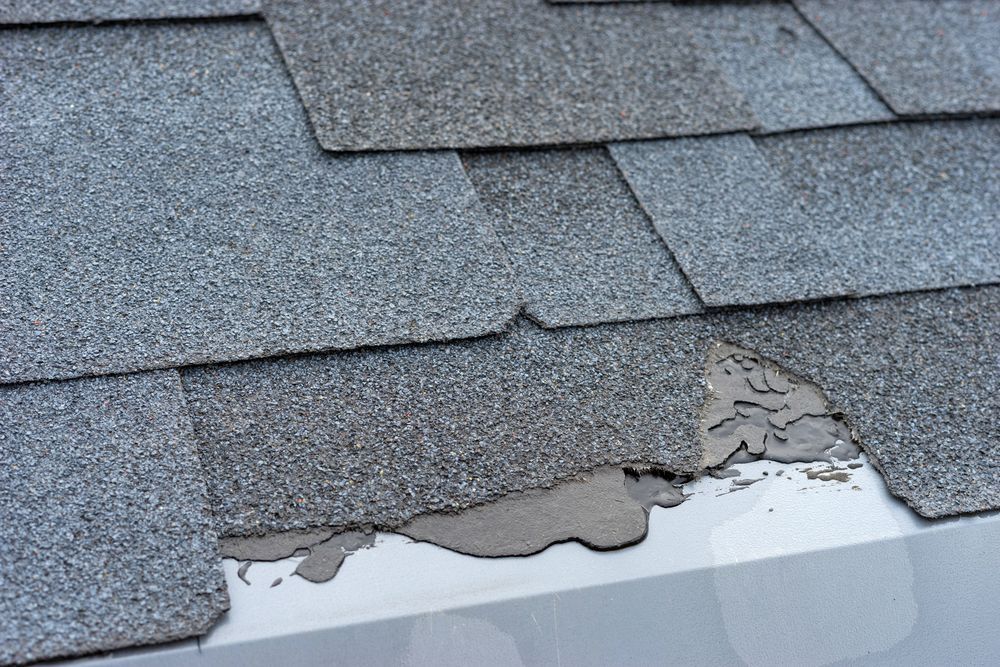
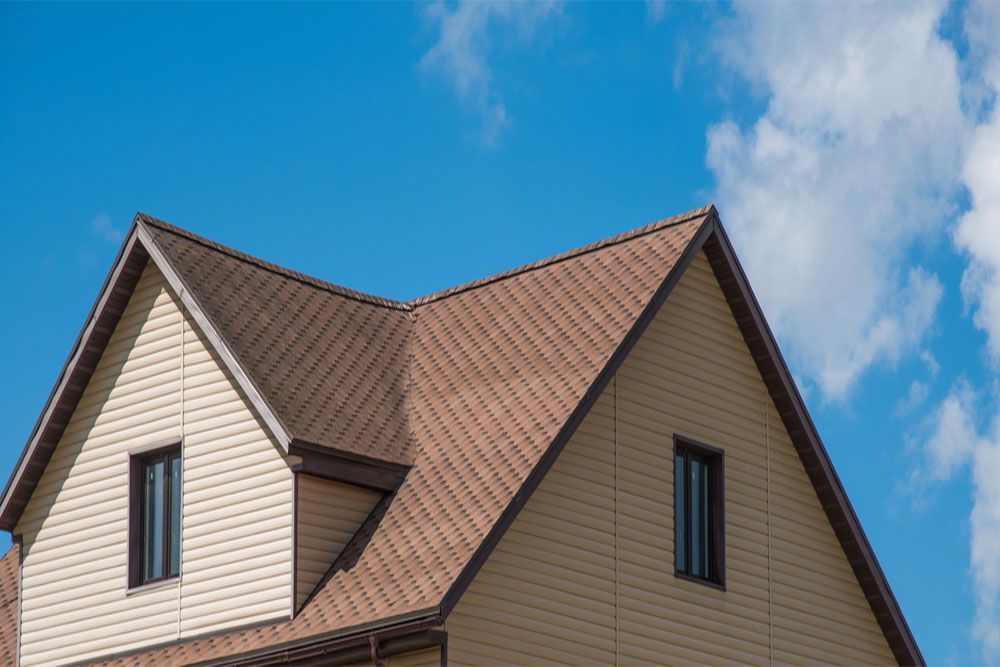
Shingles act as the primary barrier against water. When they crack, lift, curl, or disappear entirely, exposed underlayment becomes vulnerable. Windstorms, hail, and aging materials commonly cause shingle damage.
Once compromised, water can seep beneath surrounding shingles and spread across the roof deck. Visual inspection from the ground often reveals irregular patterns, uneven surfaces, or debris buildup that hints at underlying problems.
Light Visible Through the Attic
Sunlight shining through roof boards or around fasteners inside the attic points to direct openings in the roofing system. These small gaps may appear harmless, yet rain follows the same path as light.
Nails that miss framing members, deteriorated decking, or punctures from previous installations frequently cause this issue. Checking the attic after heavy rain can also reveal damp spots or darkened wood that confirms active leakage.
Wet Insulation or Attic Odors
Insulation absorbs moisture quickly and holds it for long periods. Damp insulation loses effectiveness and encourages mold growth. A musty smell in the attic or upper rooms often develops before visible water damage appears.
These odors usually indicate trapped moisture that lacks proper ventilation or drainage. Over time, saturated insulation contributes to higher energy costs and accelerates wood deterioration.
Flashing Deterioration Around Roof Penetrations
Flashing seals joints where roofing materials meet chimneys, vents, skylights, and walls. Metal flashing can rust, crack, or separate as homes settle and materials expand or contract. When flashing fails, water flows behind shingles and into interior spaces.
Chimneys and vent pipes remain frequent leak sources due to constant exposure and complex intersections that require precise installation and maintenance.
Granules Accumulating in Gutters
Asphalt shingles shed granules naturally over time, but excessive granule loss signals accelerated wear. Granules protect shingles from ultraviolet exposure and weather impact. When gutters collect large amounts of granules, shingles may be nearing failure. Bare shingle surfaces absorb more moisture, increasing the risk of leaks during heavy rain or snowmelt.
Sagging Roof Deck or Ceiling Areas
Sagging sections indicate prolonged moisture exposure that weakens structural components. Water-soaked decking loses rigidity and may bow between rafters. Indoors, ceilings may appear uneven or feel soft to the touch. This condition requires immediate attention, as continued moisture compromises load-bearing capacity and can lead to partial collapse if ignored.
Peeling Paint or Bubbling Drywall
Interior finishes react quickly to hidden moisture. Paint may peel, blister, or discolor as water migrates through drywall. Bubbling surfaces often appear near ceiling edges or upper walls where leaks track downward. These symptoms reflect ongoing moisture intrusion rather than isolated spills or condensation issues.
Ice Dams and Winter Moisture Issues
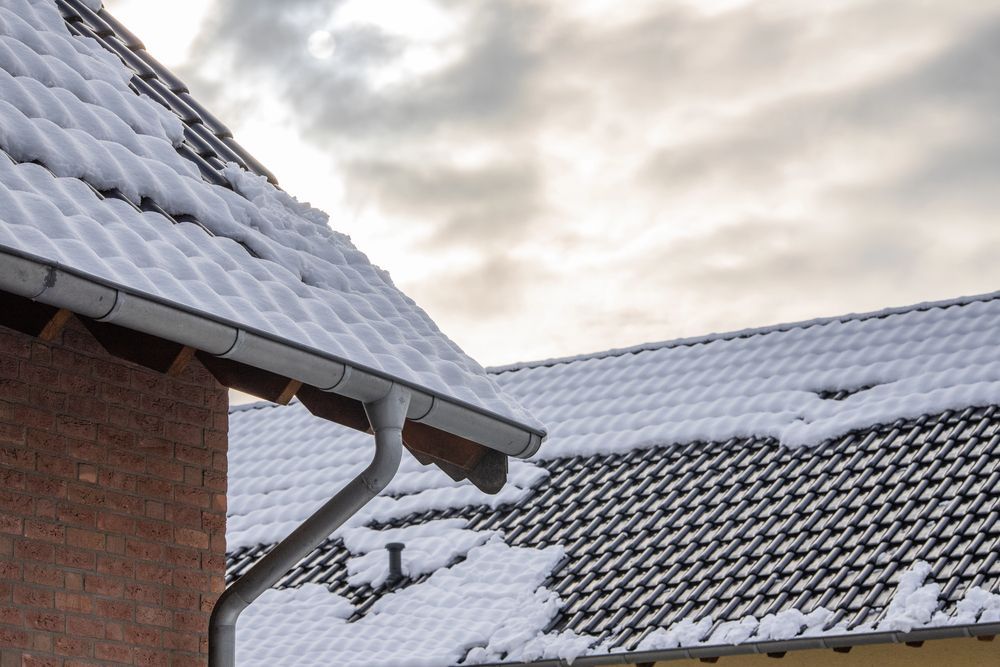
In colder climates, ice dams form when warm attic air melts snow on the roof, which refreezes at the edges. Trapped water backs up under shingles and enters the home. Interior leaks during winter often relate to inadequate insulation or ventilation combined with roofing vulnerabilities. Water stains that worsen during freeze-thaw cycles frequently trace back to this pattern.
Increased Energy Bills Without Explanation
Unexpected heating or cooling cost increases can result from moisture-damaged insulation. Wet insulation fails to regulate indoor temperatures effectively, forcing HVAC systems to work harder. While this sign seems indirect, it often accompanies other subtle leak indicators and warrants further investigation when combined with visible roof wear.
Why Roof Leaks Rarely Stay Isolated
Water entering through one point rarely remains contained. Gravity and capillary action allow moisture to travel along framing, wiring, and insulation paths. A minor leak today can result in extensive interior repairs months later. Roof systems operate as integrated assemblies, so localized damage often reflects broader wear patterns that need professional evaluation.
When Professional Evaluation Makes Sense
Homeowners can spot warning signs, yet determining the source and extent of damage requires experience. A comprehensive roof inspection identifies active leaks, aging materials, and vulnerable areas before conditions worsen. Early assessment helps distinguish between localized repair needs and broader system concerns that affect long-term performance.
When leaks persist or multiple signs appear, professional roof leak repair services address both visible damage and underlying causes. Proper repairs focus on restoring water flow paths, sealing penetrations, and reinforcing vulnerable intersections rather than temporary surface fixes.
How Timely Repairs Protect Home Value
Roof leaks affect more than comfort. Moisture compromises framing strength, encourages pest activity, and accelerates material aging throughout the structure. Addressing leaks early preserves interior finishes and prevents secondary repairs that extend beyond roofing. For Connecticut homeowners, proactive maintenance also supports property value and reduces disruption during seasonal weather extremes.
Schedule a Roof Evaluation With Our Team
At A1 Home Improvement, we see firsthand how small leaks become major repairs when left unaddressed. Our team evaluates roofing systems thoroughly, explains findings clearly, and recommends practical solutions that fit your home and timeline.
If these signs sound familiar,
contact us to schedule an evaluation and protect your home before moisture spreads further.
FREQUENTLY ASKED QUESTIONS
About Painting Vinyl Siding
Share this Post