Re-Roofing Vs. Roof Replacement: Which Is More Cost-Effective?
Roofing decisions often come down to cost, longevity, and the condition of what already exists above the home. For Connecticut property owners, understanding the difference between re-roofing and full roof replacement can shape long-term maintenance plans and financial outcomes. Aging shingles, recurring leaks, or visible surface wear may signal different solutions, each with distinct implications.
A professional evaluation, such as a thorough roof inspection, helps clarify which option aligns with the roof structure, climate exposure, and future expectations. Comparing re-roofing vs roof replacement cost requires context, not assumptions.
Understanding the Core Difference Between Re-Roofing and Roof Replacement
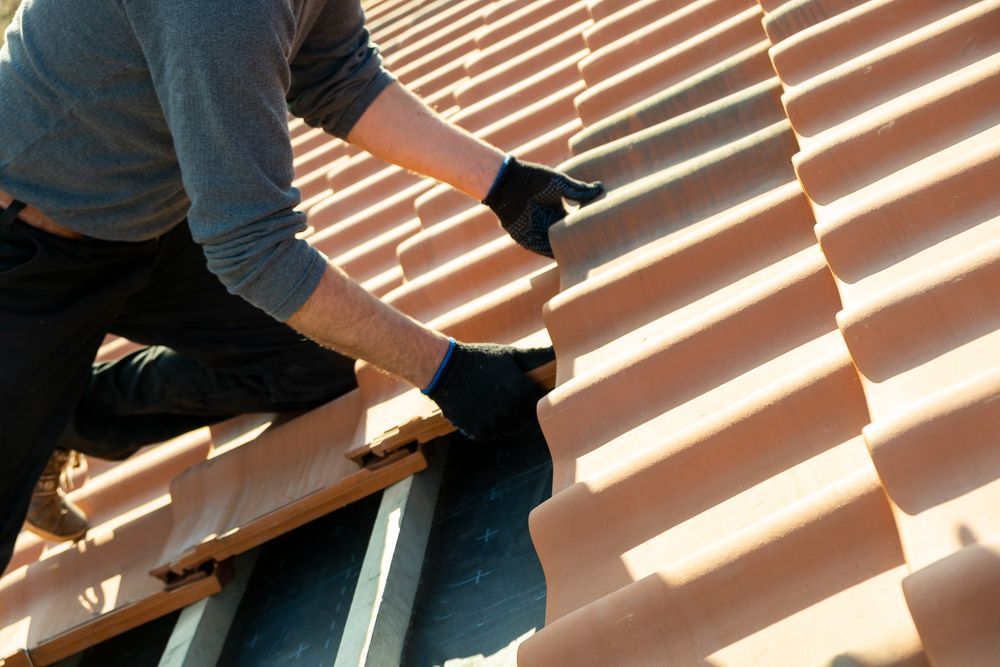
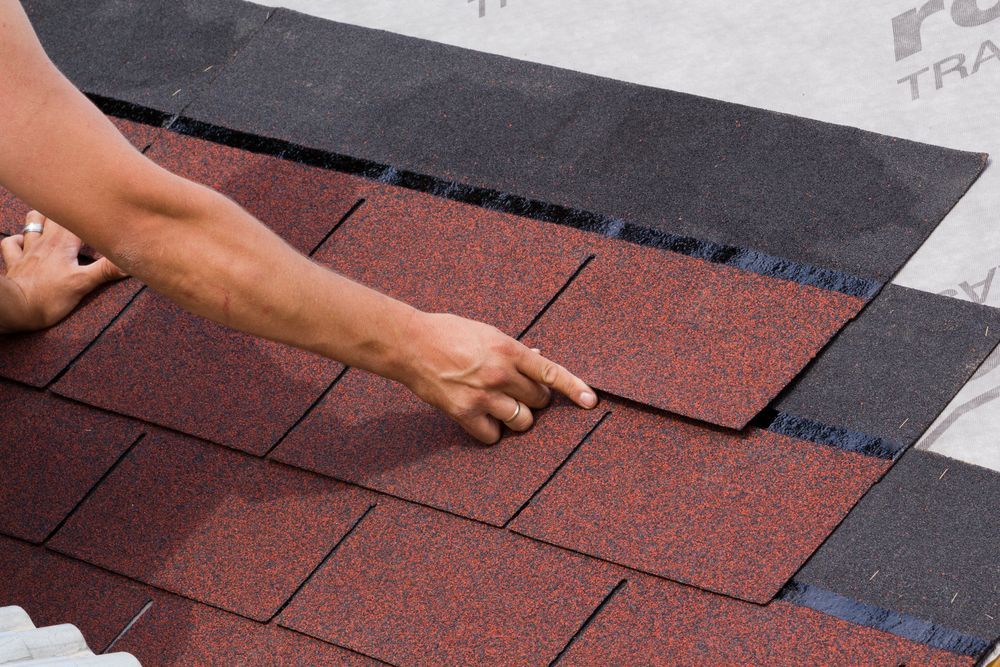
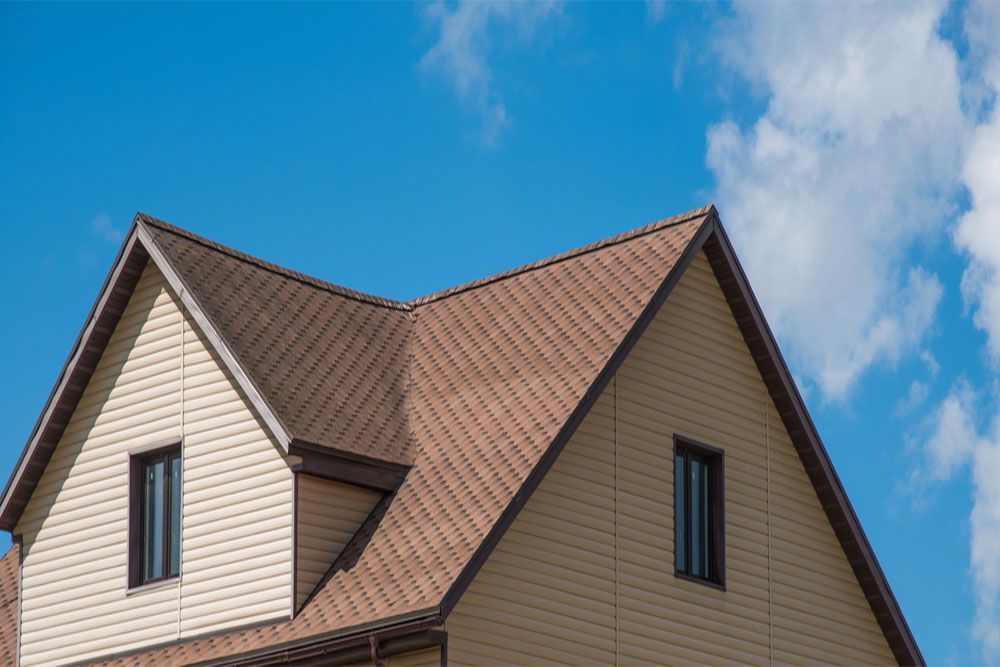
Re-roofing and roof replacement address different levels of roof deterioration, even though they are often discussed interchangeably. Re-roofing involves installing a new layer of shingles over an existing one when the underlying system remains intact.
This approach limits labor and material removal, which can reduce upfront expense in specific situations. Roof replacement removes existing materials down to the decking, allowing contractors to examine structural components and correct hidden issues.
When reviewing long-term performance and re-roofing vs roof replacement cost, full replacement often delivers greater value through durability and system-wide reliability, particularly when paired with professional roof replacement services.
How Roof Age Influences Cost Decisions
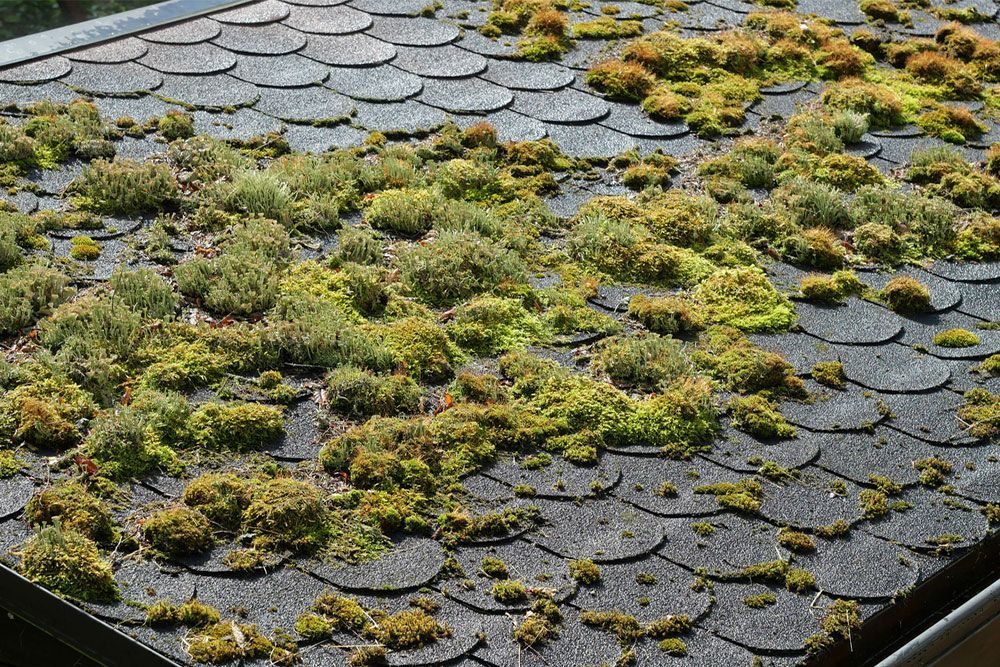
Roof age plays a defining role in the re-roofing vs roof replacement cost comparison. Asphalt shingle roofs in Connecticut typically last between twenty and thirty years, depending on ventilation, weather exposure, and maintenance habits. A roof nearing the end of its service life rarely benefits from re-roofing, as underlying wear may already compromise the structure.
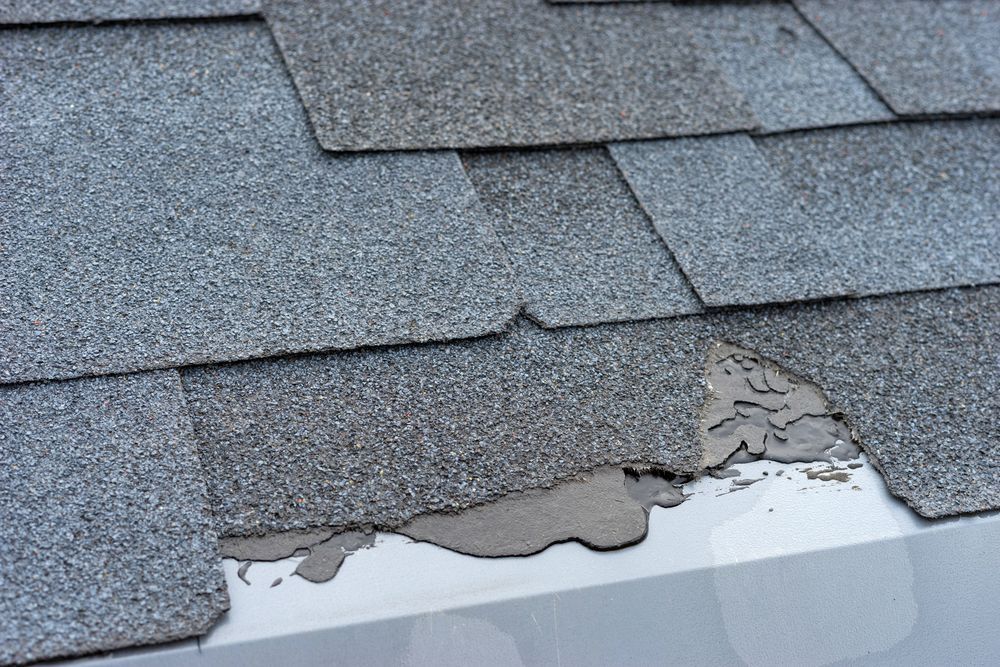
Younger roofs with surface-level shingle damage may qualify for re-roofing, but only if the existing materials remain flat, dry, and securely fastened. Any signs of sagging or widespread deterioration often signal the need for a full replacement to avoid layered problems.
Labor and Installation Complexity
Labor represents a major portion of roofing expenses. Re-roofing reduces labor time by skipping tear-off and disposal, which lowers immediate costs. Crews move faster, and projects finish sooner, which can limit disruption to daily routines.
Roof replacement requires more time and specialized attention. Old materials must be removed, decking assessed, flashing updated, and ventilation reviewed. Although this process takes longer, it allows installers to address hidden issues that re-roofing leaves untouched. Over time, the added labor often translates into better performance and fewer surprise repairs.
Material Layers and Structural Load Considerations
Most local building codes permit only one additional layer of shingles over an existing roof. Homes that already have multiple layers cannot legally re-roof again. Even when allowed, extra layers add weight, which places added stress on framing and decking.
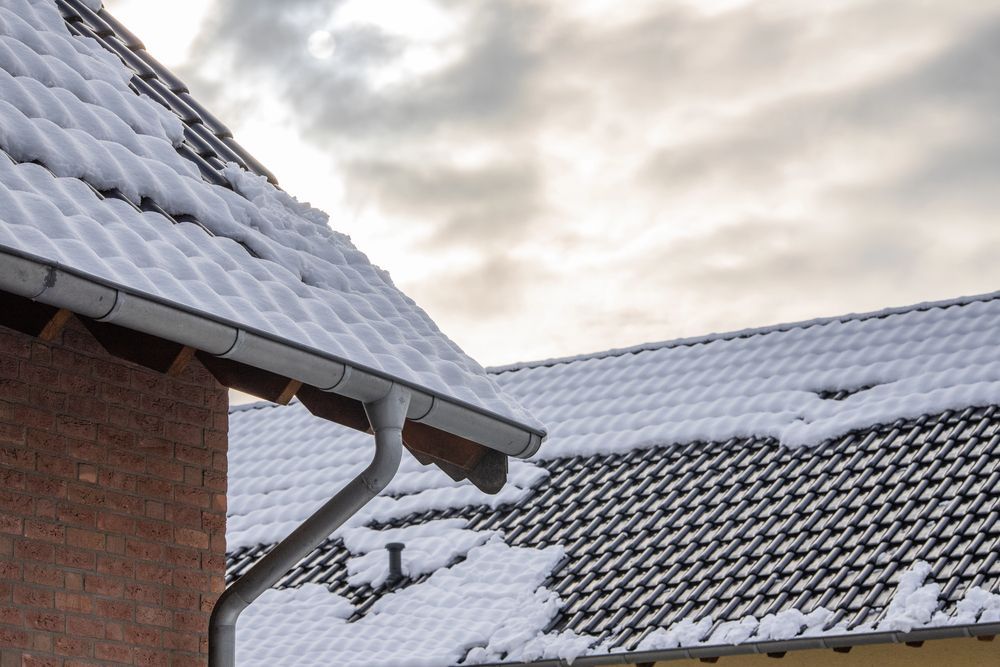
Connecticut homes experience heavy snow loads during winter. Additional roofing layers can increase strain during freeze-thaw cycles, raising the risk of sagging or uneven wear. Roof replacement eliminates these concerns by returning the roof to a single, properly balanced system.
Hidden Damage and Future Repair Risk
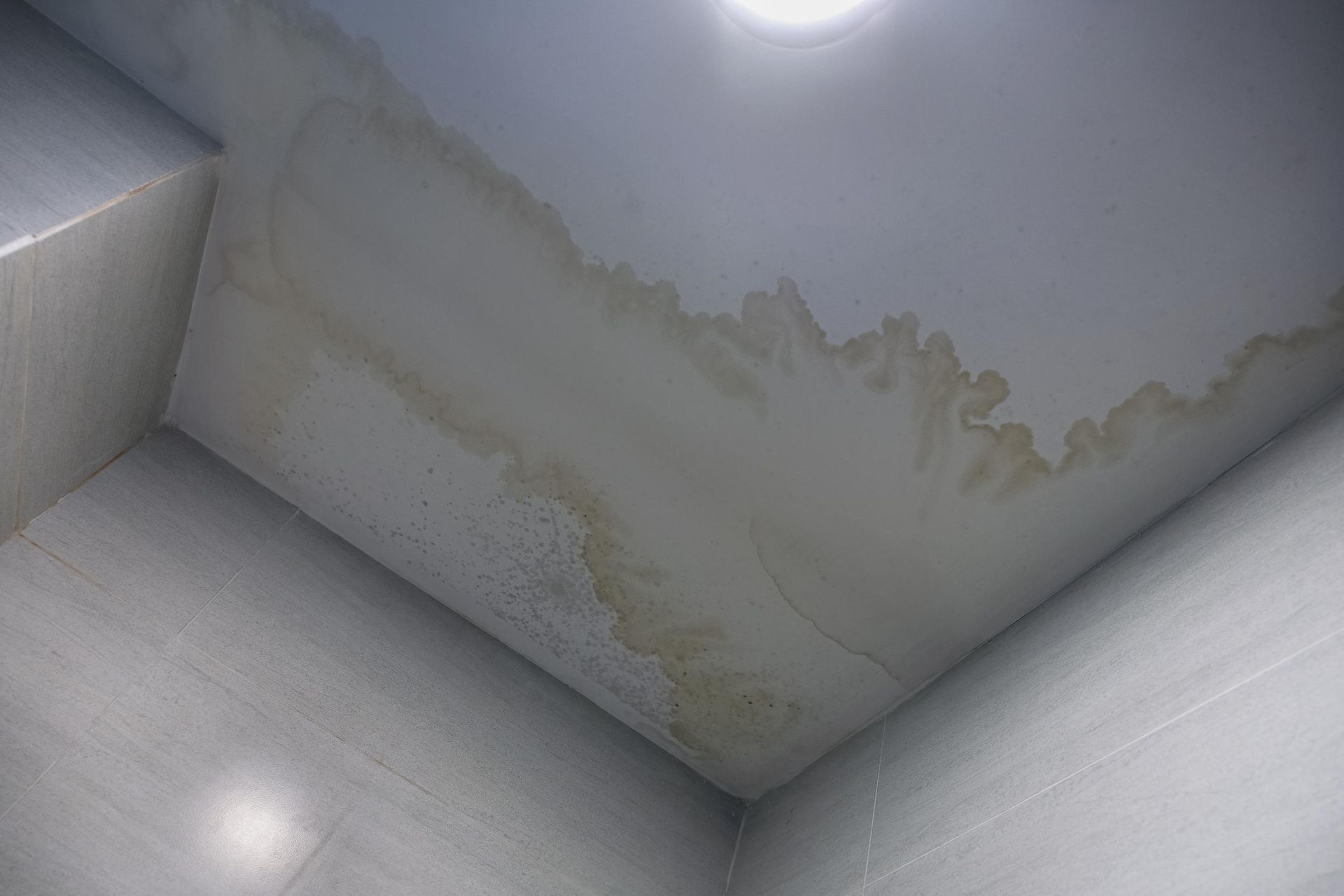
One of the most overlooked aspects of re-roofing is the inability to inspect what lies beneath the surface. Moisture intrusion, wood rot, and ventilation failures often remain hidden under old shingles. Re-roofing covers these problems rather than correcting them.
Roof replacement exposes the decking, allowing damaged sections to be addressed before new materials go on. This step reduces risk and stabilizes the roof system. Homeowners focused on predictable ownership costs often find that replacement reduces future financial surprises.
Cost Breakdown Over Time
At first glance, re-roofing costs less. Fewer materials, reduced labor, and minimal disposal expenses keep the initial price down. However, re-roofed systems generally last less time than full replacements. If issues emerge beneath the surface, repairs can become frequent and disruptive.
Roof replacement costs more initially but spreads value over a longer lifespan. With new materials, updated flashing, and improved ventilation, replacements often reduce maintenance needs. When evaluated over decades rather than years, replacement frequently delivers stronger financial efficiency.
Impact on Home Value and Buyer Perception
Roof condition strongly influences buyer confidence. A re-roofed home may raise questions during inspection, especially if layered shingles appear uneven. Buyers often factor potential replacement costs into offers.
A full roof replacement presents a cleaner narrative. Buyers see a new system with documented installation and warranty coverage. In competitive Connecticut markets, this clarity often supports stronger resale outcomes and smoother transactions.
Energy Efficiency and Ventilation Improvements
Re-roofing focuses on the surface and rarely improves ventilation or insulation performance. Older ventilation systems may remain outdated, allowing heat buildup in summer and moisture retention in winter.
Roof replacement opens the door to ventilation upgrades that align with current standards. Balanced airflow helps regulate attic temperatures, which can reduce strain on heating and cooling systems. Over time, improved efficiency contributes to steadier indoor comfort and lower energy waste.
Weather Exposure in Connecticut
Connecticut roofs face varied conditions, including coastal moisture, snow accumulation, ice dams, and seasonal storms. These factors accelerate wear on aging roofing systems.
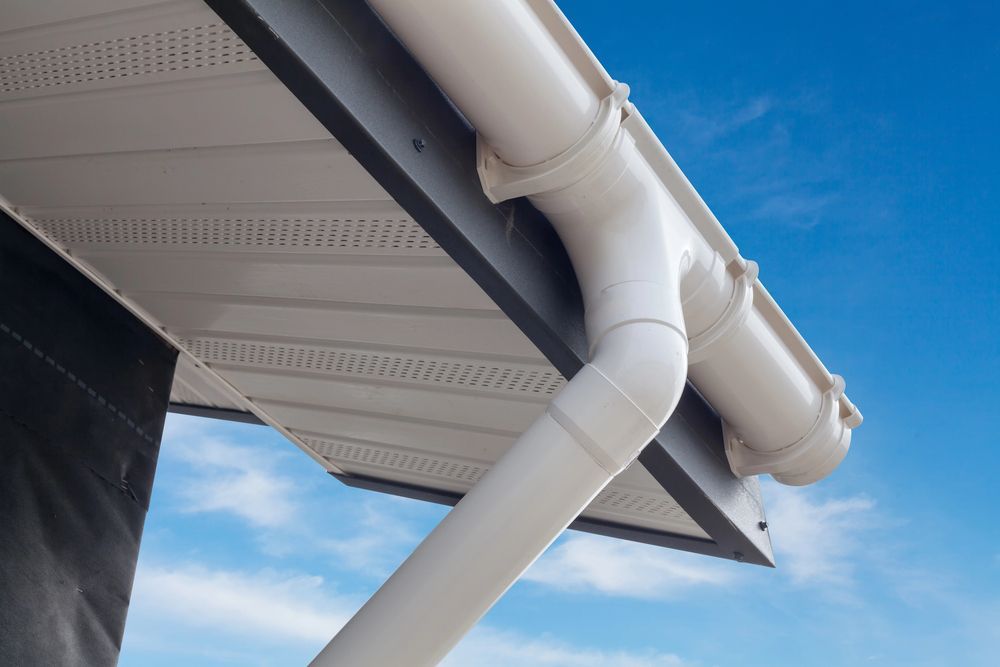
Re-roofing may mask weather-related damage without addressing its root cause. Replacement allows installers to reinforce vulnerable areas, improve flashing, and optimize drainage paths. Homes exposed to repeated seasonal stress often benefit from the resilience that comes with a fully renewed system.
When Re-Roofing Makes Sense
Re-roofing can work in specific situations. The existing roof must have only one layer of shingles, no structural damage, and minimal surface wear. The decking must remain solid, and ventilation should already meet current standards.
In these limited cases, re-roofing offers a temporary refresh that postpones replacement. Homeowners planning short-term occupancy sometimes view this option as a bridge solution rather than a long-term investment.
When Roof Replacement Becomes the Smarter Choice
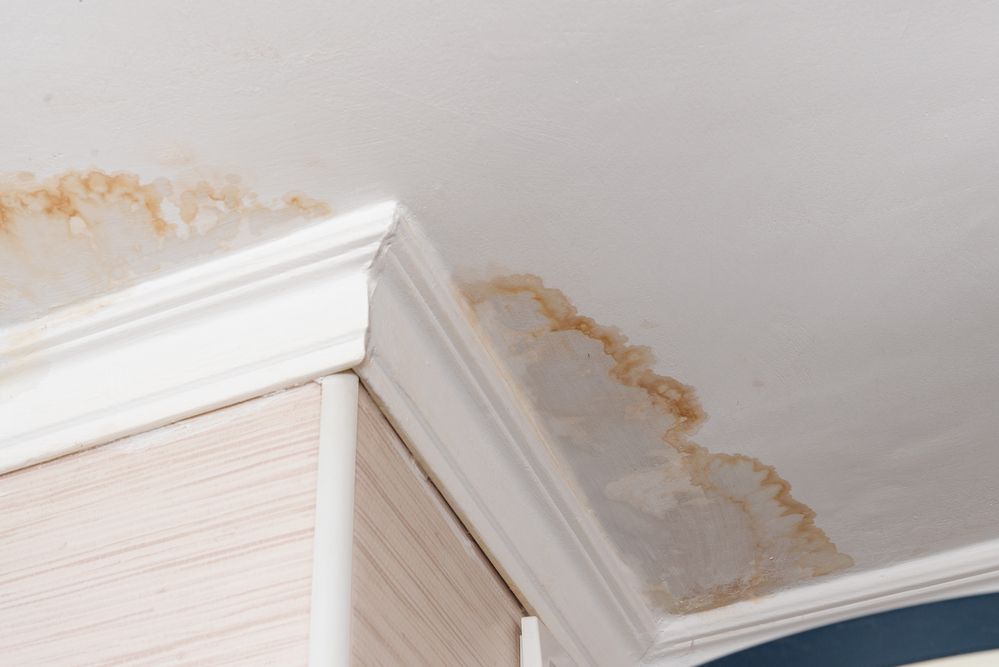
Roof replacement becomes the preferred option when damage extends beyond surface shingles. Signs include recurring leaks, uneven planes, sagging areas, or visible moisture stains in the attic. Homes with older roofing systems often fall into this category.
Replacement also suits homeowners seeking long-term stability, improved efficiency, and higher resale confidence. By addressing the entire system, replacement aligns cost with durability rather than short-term savings.
Local Experience and Code Awareness
Local building codes influence allowable roofing methods, especially concerning layering and structural load. Contractors familiar with Connecticut regulations navigate permitting requirements smoothly and avoid costly compliance issues.
Local experience also informs material selection suited to regional weather patterns. These details influence cost efficiency and long-term roof performance.
Talk With Us About the Right Roofing Decision
As owners of A1 Home Improvement, we guide Connecticut homeowners through clear, honest roofing decisions grounded in experience. Our team evaluates real conditions, explains options without pressure, and focuses on lasting results.
If you are weighing re-roofing against full replacement,
reach out to schedule a conversation that puts your home first.
FREQUENTLY ASKED QUESTIONS
About Painting Vinyl Siding
Share this Post