Should You Replace Gutters When Replacing Your Roof?
Replacing a roof often triggers broader questions about the systems connected to it. One of the most common involves replacing gutters, since they manage water at the roof edge and protect siding, foundations, and landscaping. Homeowners want to understand timing, cost impact, and long-term performance before committing to additional work.
This article examines how gutters are handled during roof replacement, when replacement makes sense, and how coordinated planning can reduce risk while improving durability for Connecticut homes exposed to seasonal weather stress and aging exterior materials across many property types.
How Gutters Are Treated During a Roof Replacement
During a standard roof replacement, gutters usually remain in place. Professional crews protect them while working, avoiding direct ladder pressure and taking steps to prevent dents or separation at the fascia. Removal typically happens only when gutters are scheduled for replacement or when fascia repairs are part of the project scope.
In homes where fascia boards show moisture damage or rot, selective gutter removal may occur to allow proper repairs. Once roof work is complete, gutters are reinstalled or replaced to align correctly with the new roof edge. Under normal conditions, removing functioning gutters is unnecessary and can introduce avoidable labor costs.
Understanding this process helps homeowners plan upgrades with confidence rather than reacting mid project when decisions become more expensive.
Why Roofs and Gutters Function as One System
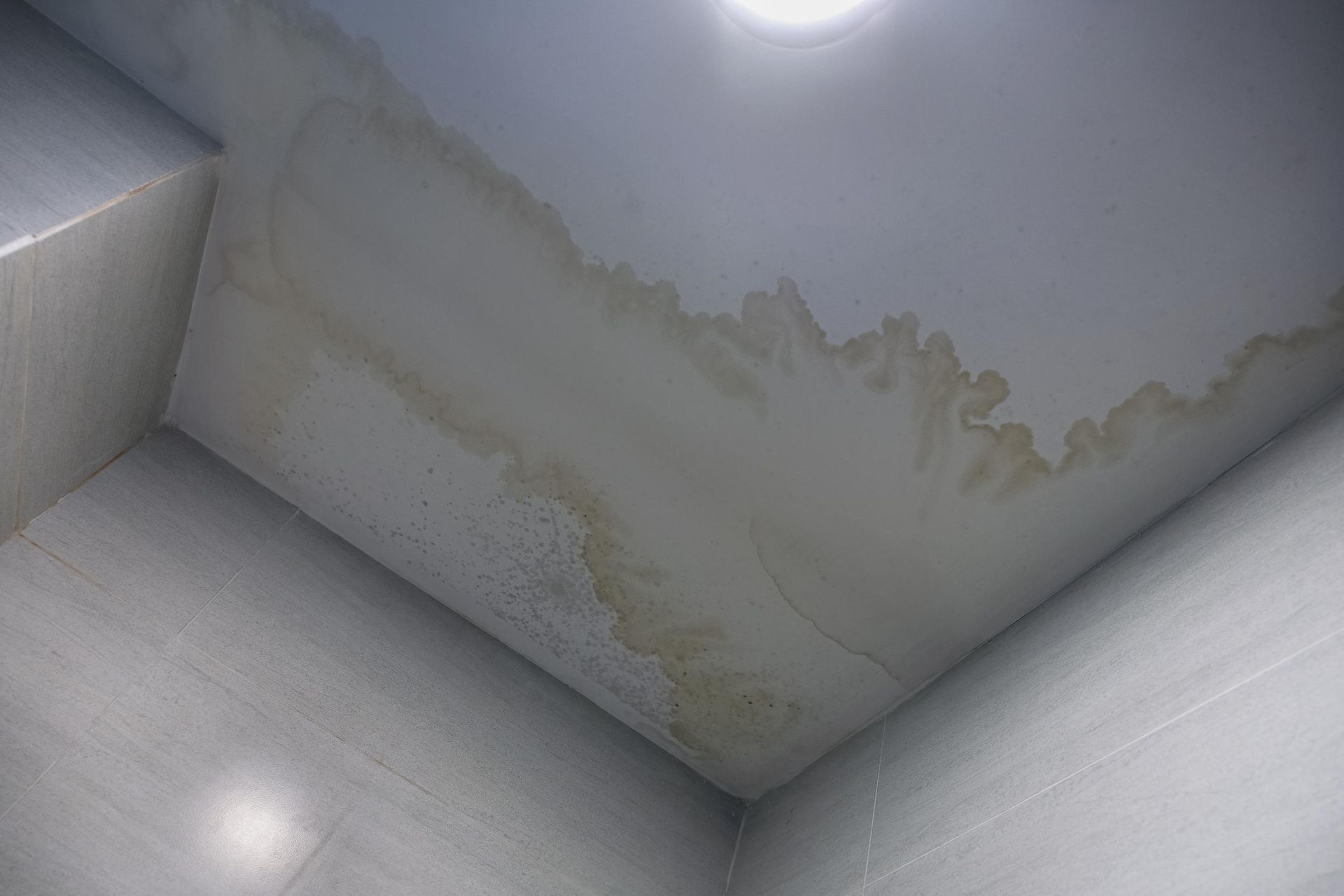
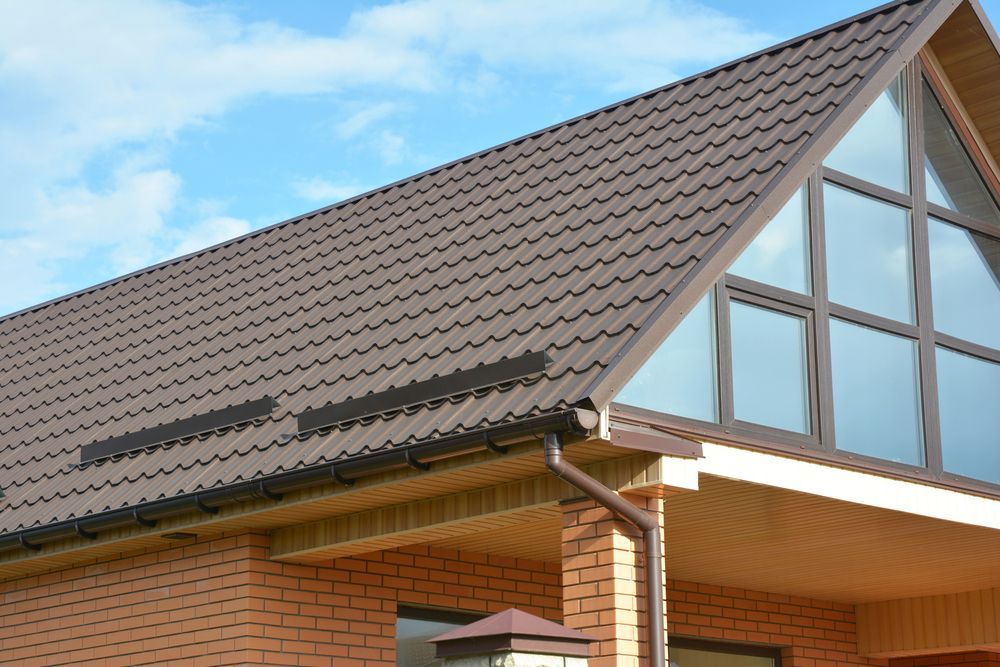
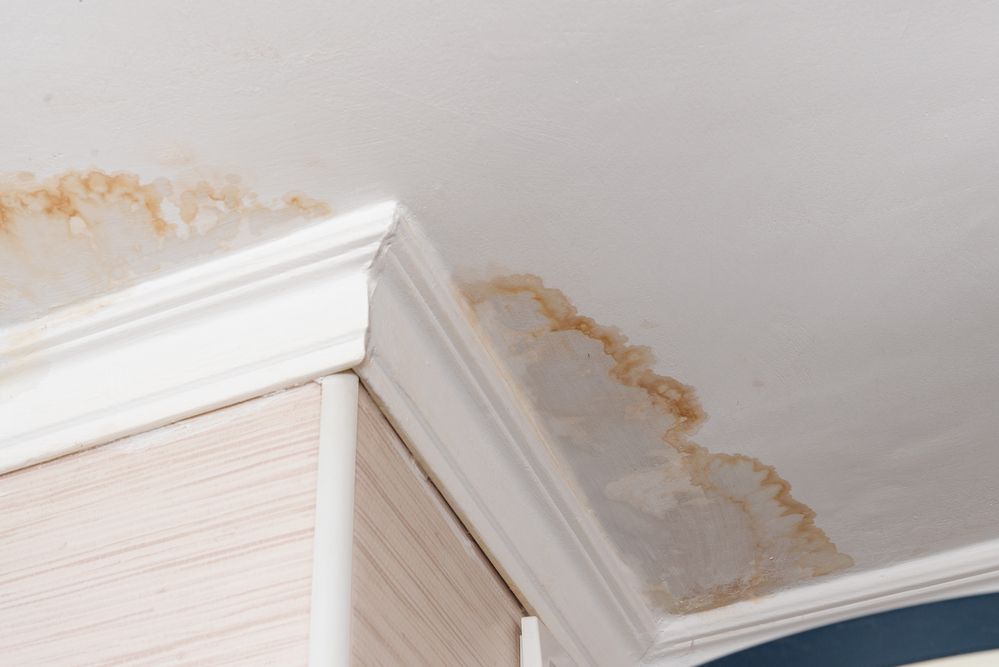
Roofs shed water, while gutters control where that water goes next. When either system underperforms, moisture exposure increases along siding, foundations, and entry points. Connecticut homes experience heavy rain, snow loads, ice dams, and freeze thaw cycles that test both systems simultaneously.
A new roof paired with aging gutters can create uneven drainage patterns. Water may overflow, back up under shingles, or saturate soil near the foundation. When both components work together, runoff moves away from the structure efficiently, protecting materials designed to last decades.
This interconnected performance is the reason many homeowners ask whether combining projects delivers better long term results.
Signs Your Gutters Should Be Replaced With the Roof
Some gutters continue functioning well beyond the roof life, while others show decline much earlier. Visual inspection and performance issues usually tell the story.
Sagging sections often indicate fastener fatigue or fascia damage. Cracks and separated seams allow water to spill directly onto siding. Rust, corrosion, or peeling paint signal prolonged moisture exposure. Overflow during moderate rainfall points to slope or capacity problems rather than simple debris buildup.
Age also matters. Many aluminum systems approach the end of their service life after two decades, especially when exposed to harsh winters. When several of these signs appear together, pairing gutter replacement with roof work often proves practical.
A professional evaluation, including a thorough roof inspection, clarifies whether replacement aligns with the condition of the existing system.
Cost Considerations When Replacing Gutters During Roof Work
Budget plays a major role in timing decisions. Gutter replacement adds cost, yet coordinated projects can reduce overall expense. Crews already have access equipment in place, minimizing setup time and reducing duplicate labor.
Aluminum gutters remain the most common option due to durability and affordability. Pricing varies by profile, gauge, and home layout, but material and installation costs often fall within a predictable range. Steel and copper systems increase cost but offer distinct durability and aesthetic benefits.
Completing both projects together also limits future disruption. Separate installations require additional scheduling, new permits in some areas, and renewed exposure to ladder traffic along the roofline.
Alignment and Drainage Accuracy After Roof Replacement
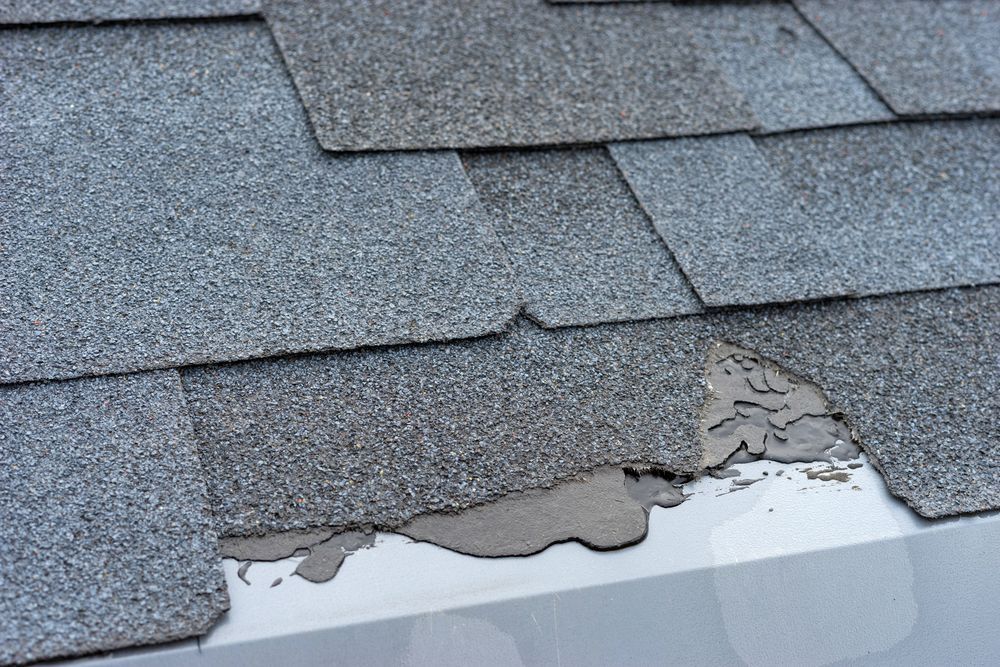
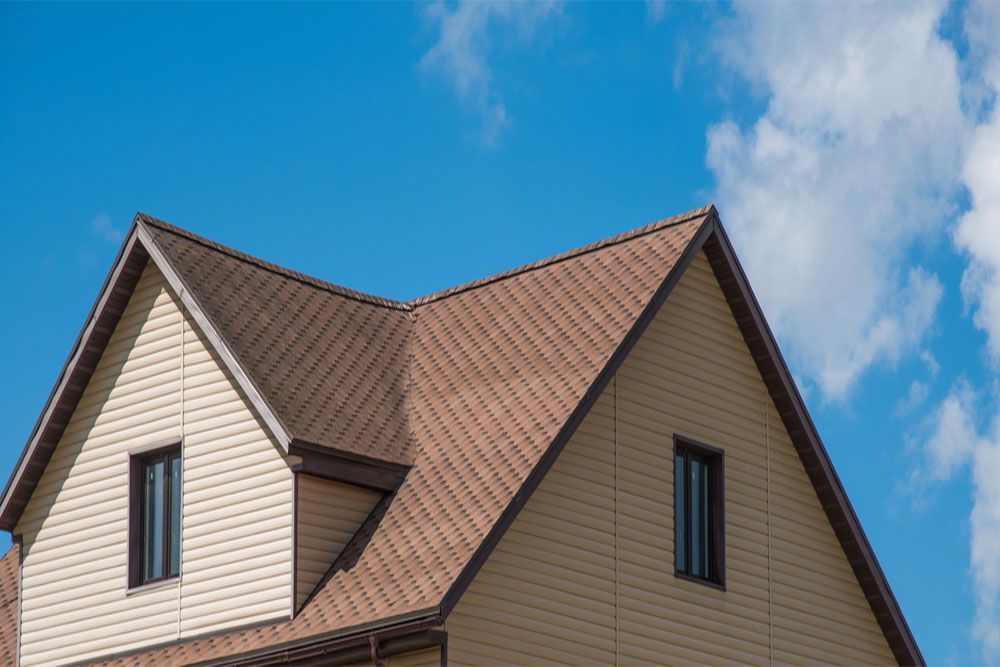
Roof replacement can subtly alter the roof edge profile. New drip edge, underlayment thickness, and shingle dimensions affect how water leaves the surface. Older gutters may no longer align correctly, leading to splash over or backflow.
Replacing gutters at the same time allows installers to set slope, spacing, and downspout placement precisely for the new roof system. This alignment improves drainage efficiency and reduces wear at vulnerable transition points.
For homes with complex rooflines, dormers, or multiple valleys, coordinated installation improves overall water control and simplifies long term maintenance.
Risk of Delaying Gutter Replacement
Choosing to delay gutter replacement carries some risk, particularly if gutters already show wear. Installing new gutters later introduces potential for shingle scuffing or edge damage if crews are unfamiliar with the roof system.
There is also the coordination factor. If different contractors handle roofing and gutters, responsibility becomes less clear when drainage issues appear. Homeowners may find themselves navigating disagreements rather than receiving straightforward solutions.
While delaying replacement can make sense when gutters remain in strong condition, the decision benefits from careful inspection rather than assumption.
When Keeping Existing Gutters Makes Sense
Not every roof replacement calls for new gutters. Well maintained systems with proper slope, intact seams, and solid attachment often continue performing effectively.
If gutters were replaced relatively recently or upgraded with high capacity profiles, keeping them may preserve budget without sacrificing performance. In these cases, roofers focus on protection measures during installation and verify that water flow remains consistent after completion.
Periodic maintenance and inspection extend the service life of quality gutter systems when matched with a new roof.
Planning the Project for Long Term Value
Thoughtful planning begins before contracts are signed. Homeowners benefit from discussing roof condition, fascia health, and gutter performance during the same evaluation. This approach creates clarity around scope and avoids last minute decisions.
Coordinated planning also allows material selection that complements both roof color and exterior finishes. Visual cohesion matters for curb appeal and resale value, particularly in competitive Connecticut markets.
When replacement is chosen, selecting experienced professionals for roof replacement services helps keep timelines predictable and workmanship consistent across systems.
Connecticut Weather and Its Impact on Gutters
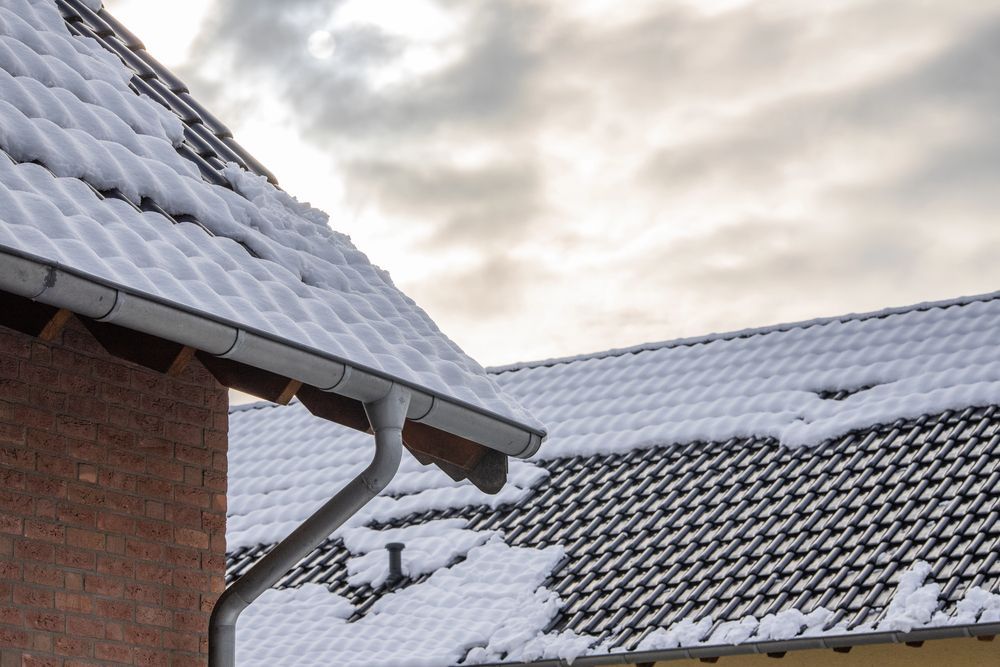
Local climate shapes performance expectations. Heavy snowfall places stress on gutter hangers, while ice dams can force water under shingles if drainage falters. Spring rainstorms test capacity, especially on homes with steep pitches.
Homes near wooded areas face additional debris challenges, increasing wear when gutters clog frequently. These regional factors often shorten gutter lifespan compared to milder climates.
Understanding how weather interacts with both roof and gutter systems helps homeowners make informed timing decisions that reflect real exposure rather than general averages.
Schedule Your Roofing and Gutter Consultation
At A1 Home Improvement, we approach roofing and gutters as one connected system. Our family owned team evaluates condition, drainage, and long term performance together. With decades of Connecticut experience, we guide homeowners through smart planning that fits the home and budget. When questions arise about timing or replacement, we offer clear answers and practical options.
Reach out to us to schedule a conversation and move forward with confidence.
FREQUENTLY ASKED QUESTIONS
About Painting Vinyl Siding
Share this Post