9 Types Of Roof Flashing Every Homeowner Should Know
Roof flashing plays a quiet but powerful role in protecting a home. While shingles handle most water shedding, flashing manages the vulnerable transition points where roofs meet walls, chimneys, valleys, and edges. These areas experience concentrated water flow and movement from temperature changes, making them more prone to leaks.
Understanding roof flashing types helps homeowners recognize early warning signs, communicate clearly with contractors, and make informed decisions during repairs or inspections.
Before committing to major work, a professional roof inspection often reveals flashing issues that remain hidden from ground level but cause ongoing moisture intrusion.
Step Flashing
Step flashing works along roof-to-wall intersections, commonly found where sloped roofs meet vertical siding. This flashing consists of individual metal pieces layered with shingles in a stair-step pattern. Each piece directs water away from the wall and onto the shingle below, preventing moisture from slipping behind siding or into wall cavities.
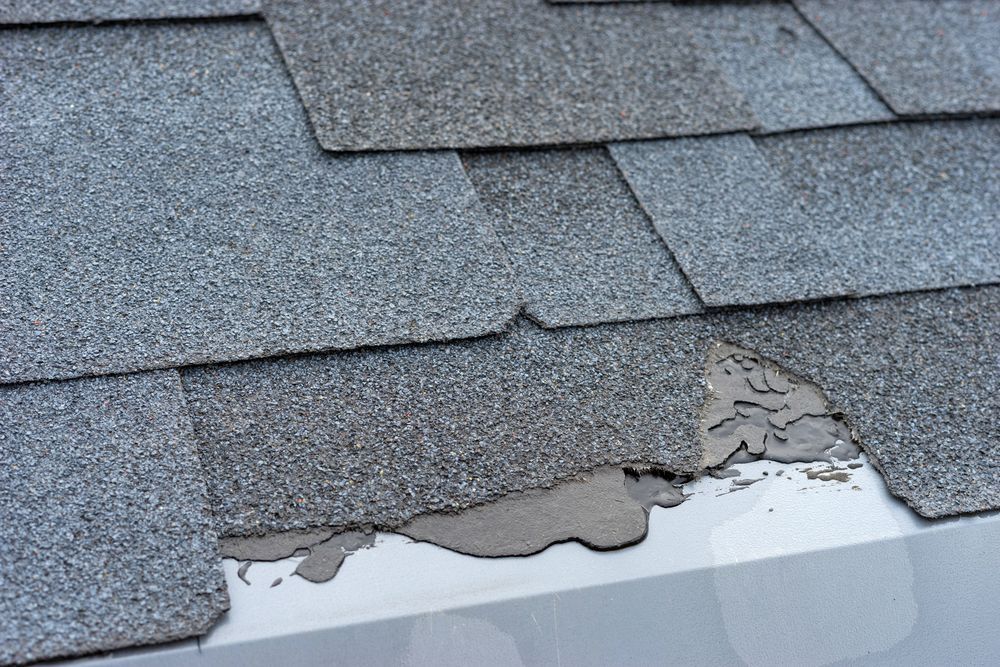
When installed correctly, step flashing moves with seasonal expansion and contraction, reducing stress fractures. Problems arise when installers rely on continuous flashing instead of individual steps, trapping water instead of guiding it. Aging sealants, rust, or missing segments often trigger interior leaks that appear far from the actual failure point.
Homes with dormers, second-story additions, or complex rooflines rely heavily on step flashing performance. During repairs, proper integration with underlayment and siding removal often determines long-term success rather than surface patching.
Valley Flashing
Valley flashing protects areas where two roof slopes meet and channel large volumes of water. These valleys handle runoff from multiple directions, making them one of the most demanding sections of any roofing system. Metal valley flashing creates a smooth pathway that prevents water from seeping beneath shingles.
Open valleys expose the metal flashing, while closed valleys hide it beneath overlapping shingles. Both styles function well when installed precisely. Problems emerge when debris accumulates, seams loosen, or installers cut shingles too close to the valley center.
Because valleys experience constant moisture exposure, corrosion-resistant materials matter. Improper valley flashing often leads to persistent leaks, ice dam formation, and premature shingle breakdown. Valley failures rarely improve with surface repairs alone and often require skilled intervention through professional roof repair services.
Drip Edge Flashing
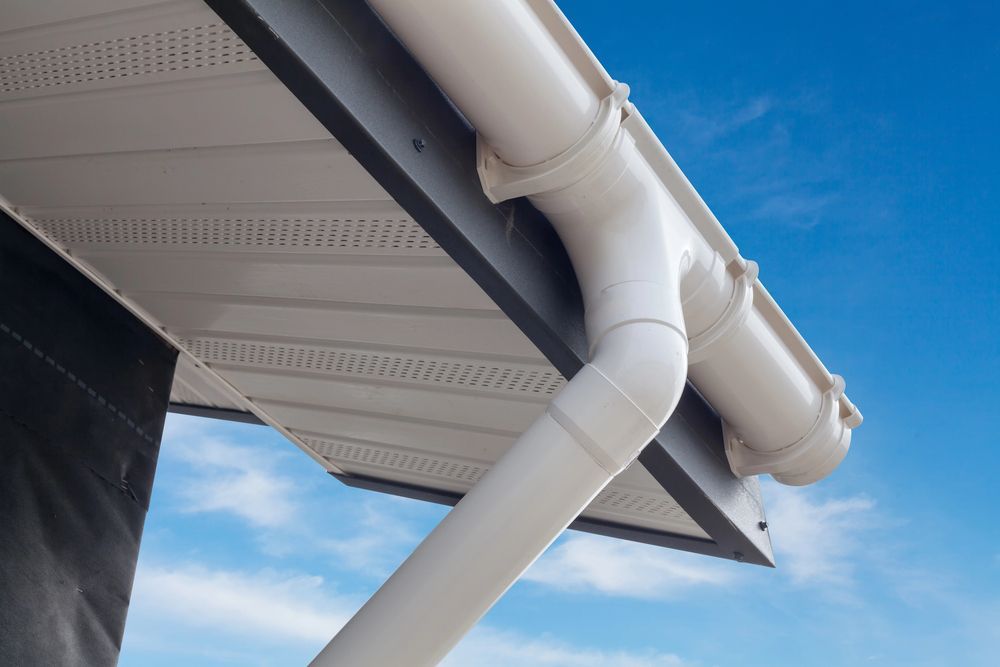
Drip edge flashing lines roof edges and directs water away from fascia boards and underlying decking. Installed along eaves and rakes, it prevents capillary action that draws water under shingles and into wooden components.
Without drip edge flashing, moisture frequently reaches the roof deck edge, causing rot, peeling paint, and gutter failure. Modern building standards recognize drip edge flashing as a foundational component rather than an upgrade.
Proper installation requires coordination with underlayment placement. If reversed, water can bypass the flashing entirely. Over time, missing or bent drip edge flashing contributes to structural deterioration that remains unnoticed until visible damage appears along roof edges or soffits.
Chimney Flashing
Chimneys interrupt the roof surface and create multiple leak paths if flashing fails. Chimney flashing uses a layered system that includes base flashing, counter flashing, and step flashing to direct water safely around masonry structures.
Mortar joints often anchor counter flashing, sealing the joint between chimney and roof. When mortar cracks or flashing pulls away, water follows gravity into interior framing. Chimney leaks commonly mimic roof shingle failures, delaying accurate diagnosis.
Due to masonry movement and freeze-thaw cycles, chimney flashing demands precise detailing. Repairs often require grinding mortar joints, resetting metal, and resealing rather than applying surface caulk, which rarely lasts.
Vent Pipe Flashing
Vent pipe flashing seals the penetration where plumbing vents exit the roof. These flashings usually combine a metal base with a flexible rubber or synthetic collar that forms a watertight seal around the pipe.
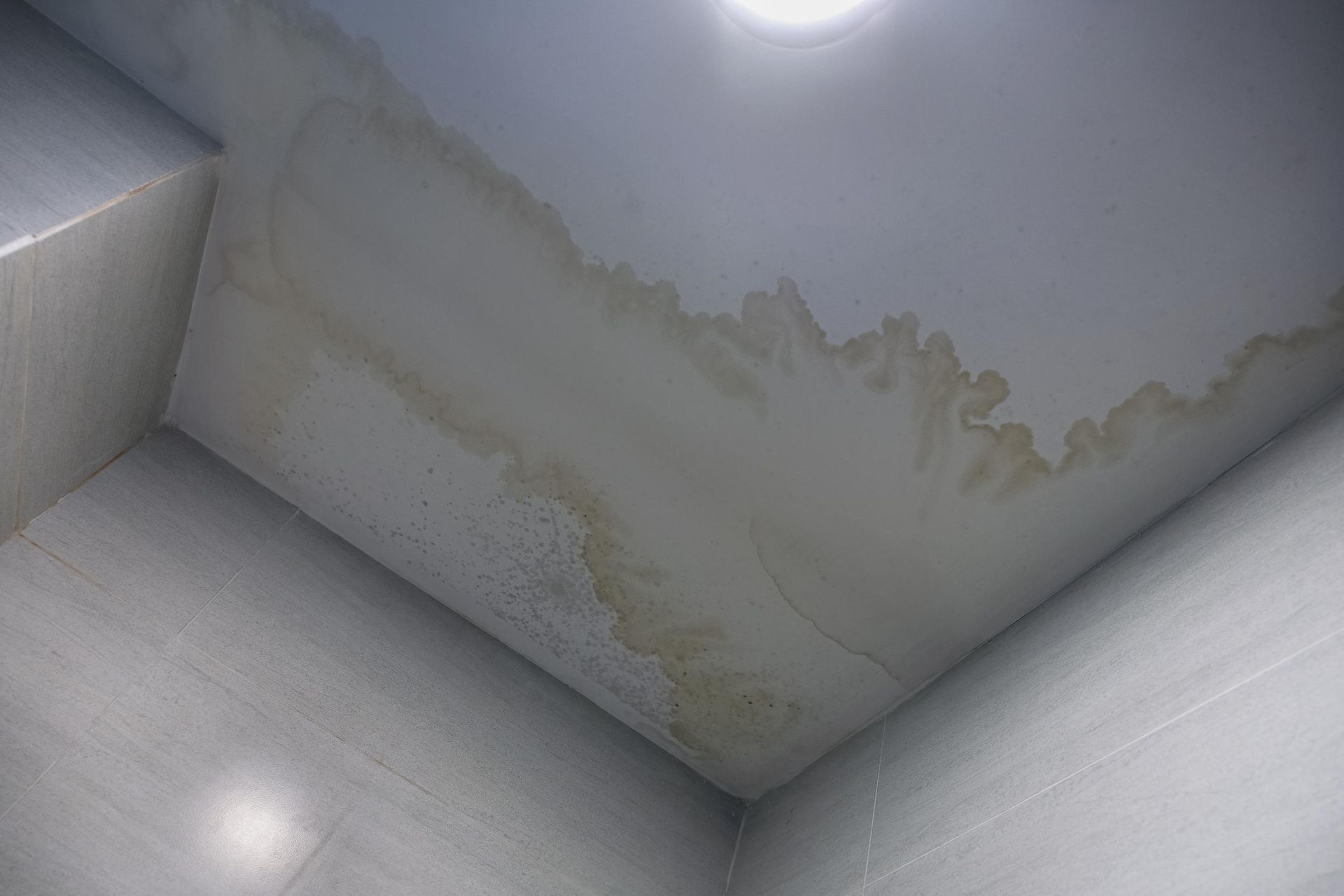
Sun exposure gradually breaks down rubber collars, causing cracks and shrinkage. When this happens, even light rain can enter the attic. Because vent pipes appear small, failures often go unnoticed until ceiling stains develop.
Replacing vent flashing typically restores the seal quickly when addressed early. Ignoring deterioration allows moisture to damage insulation, decking, and nearby framing.
Skylight Flashing
Skylight flashing surrounds roof windows and manages water around a highly exposed opening. Proper skylight flashing uses layered metal components designed to integrate with roofing materials and slope requirements.
Improvised flashing or reliance on sealants leads to frequent leaks, condensation buildup, and interior staining. Manufacturer-specific flashing kits often match roof pitch and material, improving performance.
Skylight leaks often stem from flashing breakdown rather than glass failure. Professional assessment focuses on water pathways rather than replacing skylights prematurely.
Wall Abutment Flashing
Wall abutment flashing protects areas where a roof terminates against a vertical wall. Common on townhomes and additions, this flashing prevents water from entering behind exterior cladding.
This flashing works alongside counter flashing or siding integration. Improper overlap or fastener placement creates hidden moisture channels. Over time, trapped water causes sheathing decay and mold development inside wall cavities.
Because wall abutment flashing failures remain concealed, interior symptoms often appear long after damage begins, increasing repair scope.
Eave Flashing
Eave flashing strengthens protection along roof overhangs where water exits the roofing surface. It complements drip edge flashing by reinforcing vulnerable transitions between shingles, fascia, and gutters.
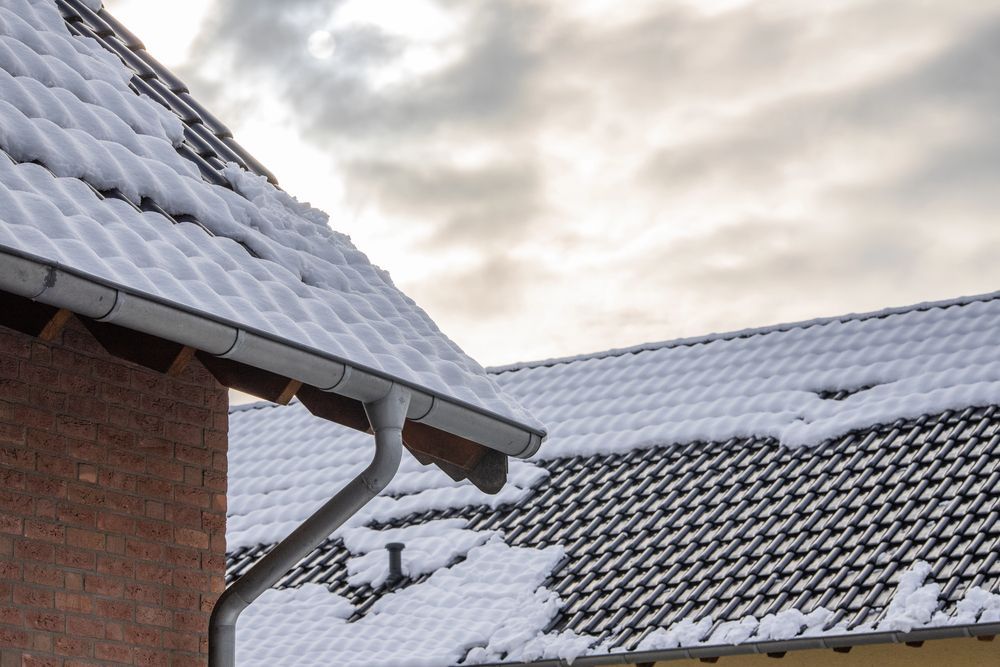
In snowy climates, eave flashing helps resist ice dam intrusion. When omitted or damaged, water backs up beneath shingles, soaking underlayment and roof decking.
Eave flashing integrity affects gutter performance, fascia longevity, and overall drainage efficiency. Its role becomes visible when staining or rot appears along roof edges.
Kick-Out Flashing
Kick-out flashing directs water away from walls at roof terminations, typically where roof slopes end near vertical siding. Without it, water dumps directly against walls, causing hidden damage.
This small but highly effective flashing redirects runoff into gutters instead of allowing saturation behind siding. Many older homes lack kick-out flashing entirely, making it a frequent upgrade during repairs.
Improper installation results in recurring leaks that seem unrelated to roofing. Kick-out flashing often resolves long-standing moisture problems when added correctly.
Schedule a Roof Evaluation With Our Team
At A1 Home Improvement, we understand how flashing failures lead to costly repairs when left unaddressed. Our team evaluates flashing conditions during every inspection and repair, focusing on long-term performance rather than temporary fixes.
If you suspect water intrusion or want clarity on your roof flashing types,
contact us to schedule an assessment and protect your home with confidence.
FREQUENTLY ASKED QUESTIONS
About Painting Vinyl Siding
Share this Post