How To Find Reliable Roof Repair Contractors In Connecticut
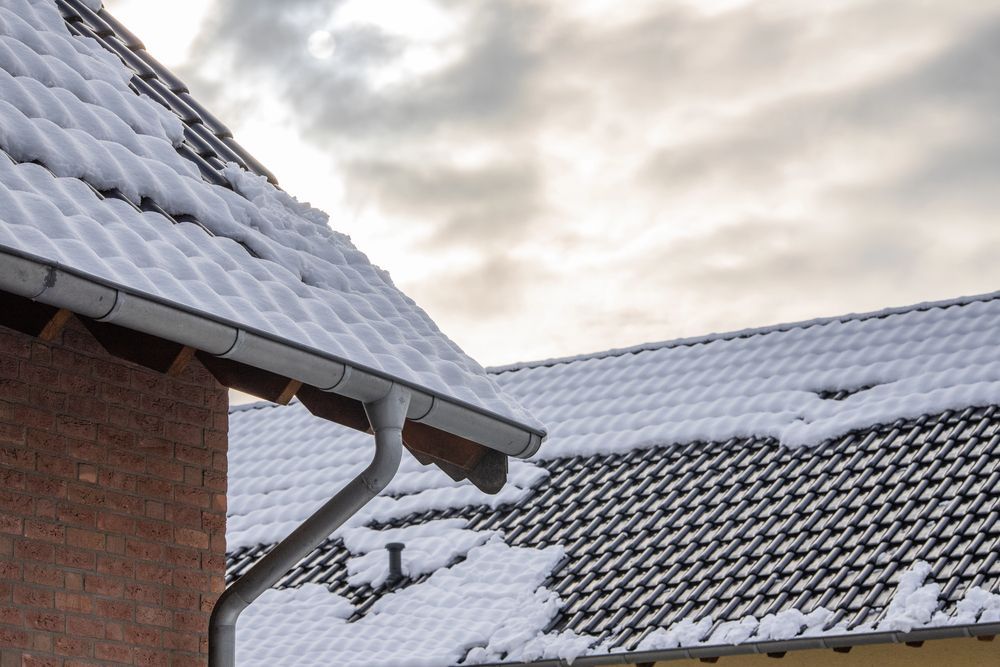
Finding dependable roofing professionals in Connecticut requires more than a quick online search. Roof systems face snow loads, ice dams, coastal moisture, and seasonal temperature shifts that test materials year after year.
A contractor must understand local building codes, regional weather patterns, and long-term performance expectations. Homeowners benefit from knowing how to evaluate qualifications, communication practices, and workmanship standards before committing to repairs.
A careful selection process protects property value, prevents recurring issues, and leads to more predictable outcomes during both routine maintenance and urgent situations.
Start With Local Experience and State Credentials
Connecticut roofing regulations and permit requirements differ from neighboring states, which makes local experience highly valuable. Contractors working regularly in the state understand inspection processes, insurance documentation, and municipality-specific expectations. Licensing and insurance should be verified early, including liability coverage and workers’ compensation.
These safeguards protect homeowners from financial exposure if property damage or injuries occur during a project. A reliable contractor will share documentation openly and explain how state requirements influence material choices, installation methods, and scheduling.
Evaluate Reputation Through Reviews And Referrals
Online reviews reveal patterns in communication, cleanup, and follow-through. Focus on consistent feedback rather than isolated comments. Long-term customer satisfaction often reflects how a company handles unexpected issues, timelines, and warranty questions. Local referrals also matter.
Neighbors who experienced similar roof conditions can offer insight into performance during storms or winter seasons. Contractors who maintain strong community relationships tend to prioritize accountability and long-term trust rather than short-term transactions.
Request a Professional Roof Inspection First
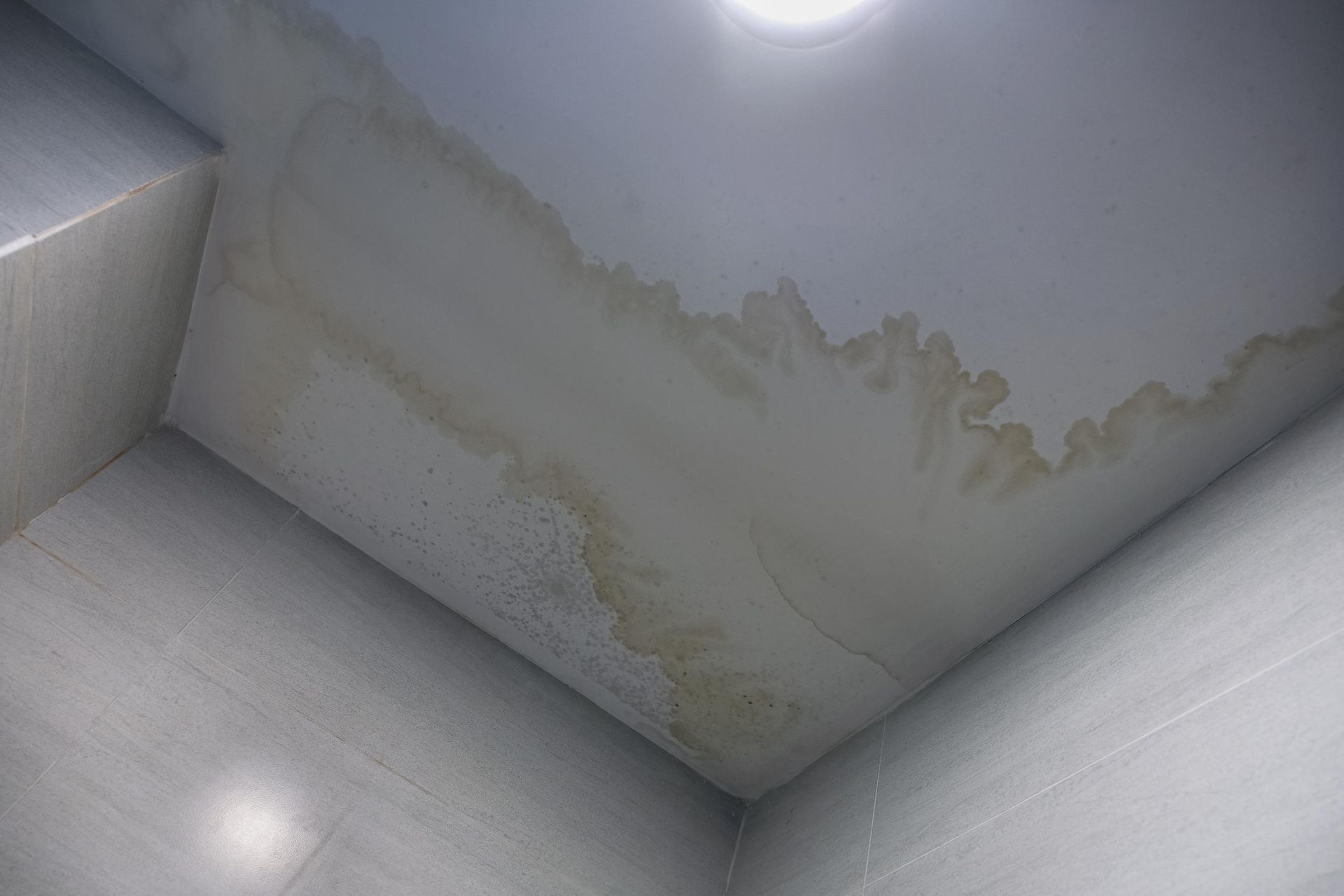
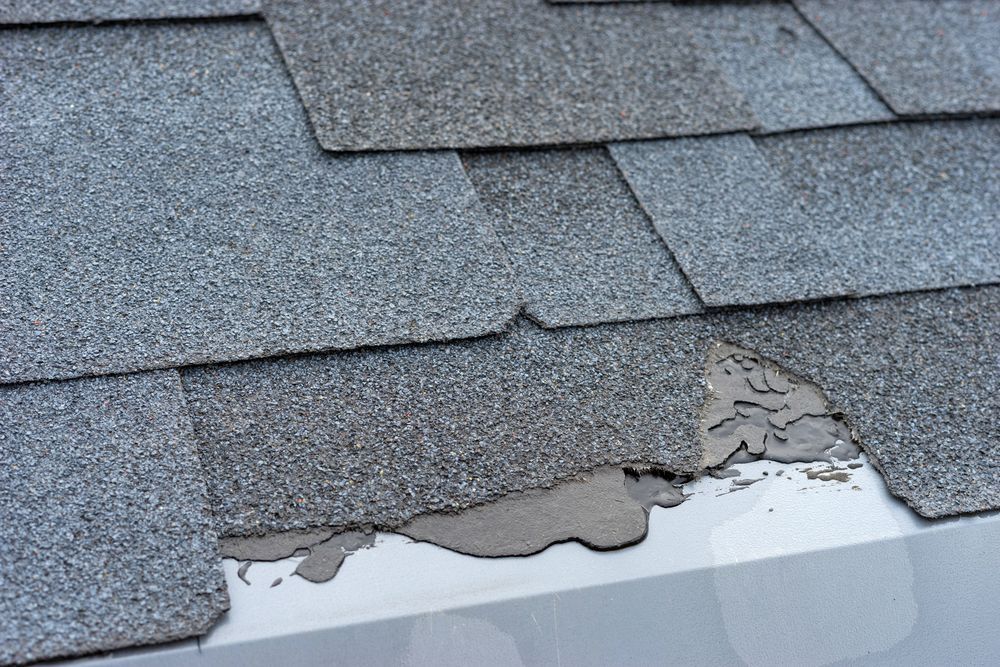
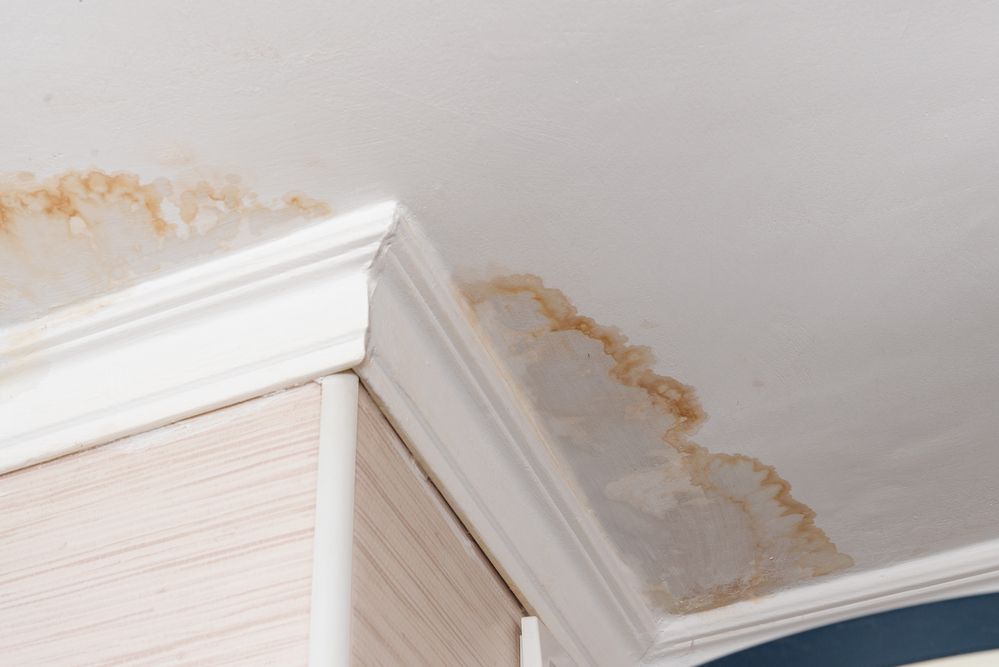
Before discussing repairs, a thorough evaluation should take place. A professional roof inspection identifies underlying concerns such as moisture intrusion, ventilation problems, flashing deterioration, or structural stress.
Visual assessments from the ground rarely capture these details. A documented inspection report helps homeowners understand the scope of work and compare recommendations across contractors. It also prevents unnecessary repairs by addressing root causes rather than surface symptoms.
Compare Estimates With a Focus On Scope, Not Price Alone
Written estimates should outline labor, materials, timelines, and cleanup responsibilities. Transparent proposals describe why specific solutions are recommended and how they address current and future risks. Low bids may exclude ventilation upgrades, underlayment improvements, or flashing replacement that affects durability.
Comparing estimates line by line highlights differences in approach and long-term value. Reliable professionals explain trade-offs clearly so homeowners can make informed decisions aligned with budget and performance goals.
Ask About Materials and Installation Standards
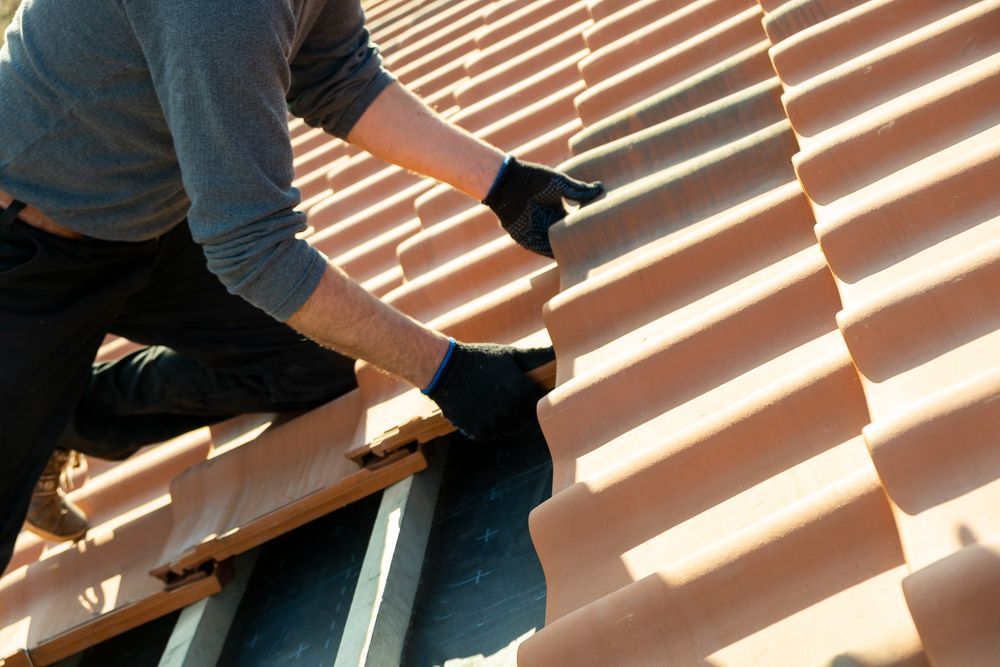
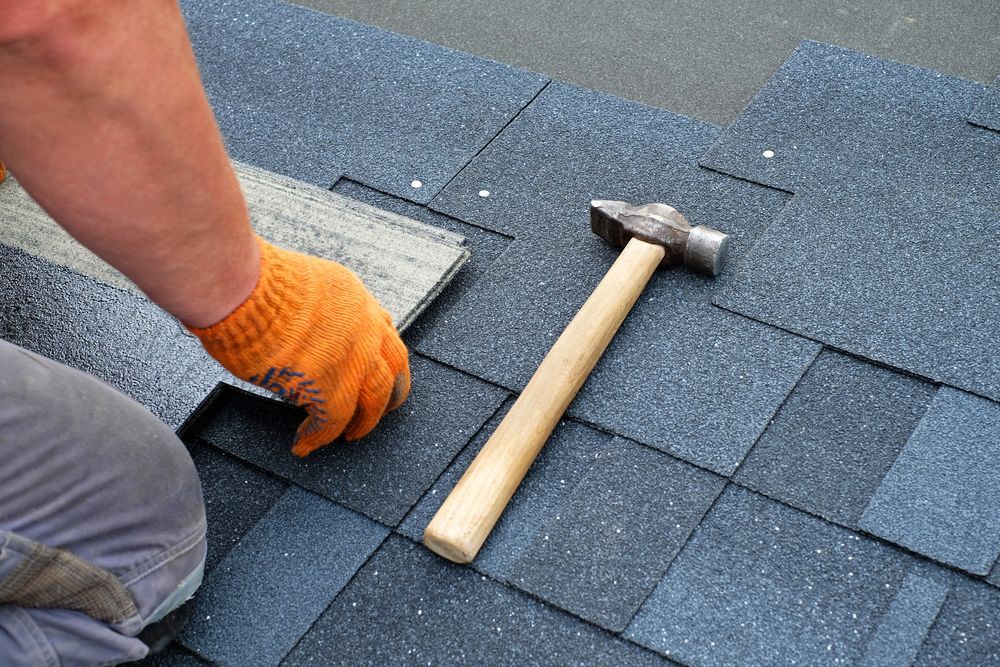
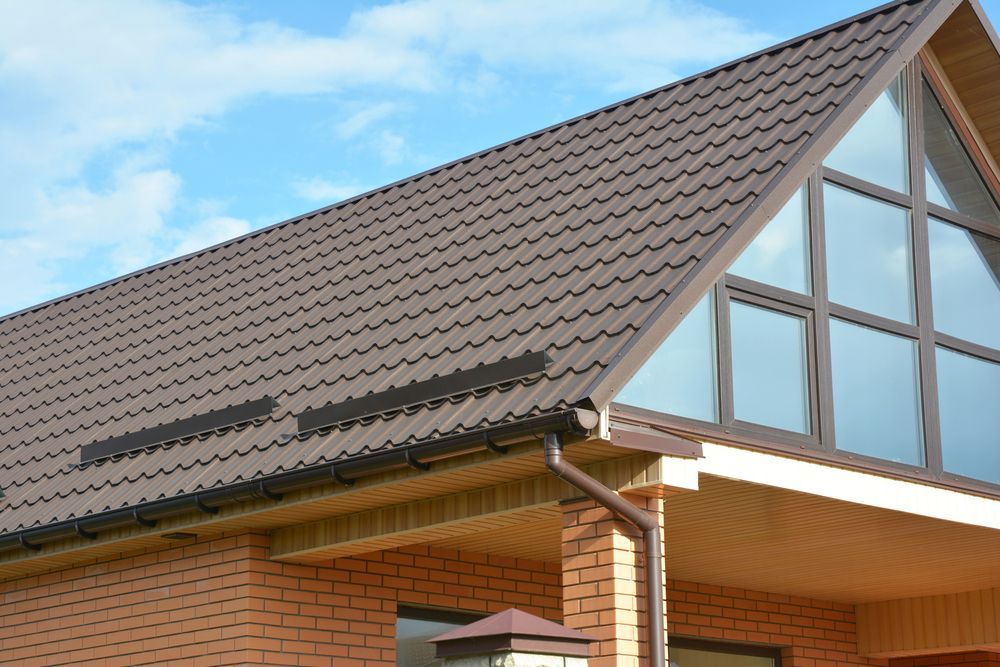
Roof performance depends heavily on installation quality. Contractors should explain how material selection aligns with Connecticut’s climate, including resistance to freeze-thaw cycles and wind exposure. Manufacturer certifications often indicate advanced training and adherence to strict installation guidelines.
These credentials also influence warranty eligibility. Asking how crews handle underlayment, ice barriers, and ventilation reveals a contractor’s commitment to durability rather than cosmetic fixes.
Understand Repair Versus Replacement Recommendations
Some contractors push extensive work without fully explaining alternatives. Others avoid discussing replacement when repairs no longer make sense. A balanced assessment considers roof age, damage extent, and long-term cost efficiency.
Experienced professionals explain when targeted roof repair services address isolated problems and when broader solutions deliver better value. When systems reach the end of their service life, discussing roof replacement services becomes part of responsible guidance rather than sales pressure.
Review Communication and Project Management Practices
Clear communication sets expectations throughout a project. Reliable contractors outline start dates, daily schedules, and points of contact. They explain how weather delays are handled and how property protection is managed during work.
Written contracts should reflect these discussions and include warranty terms for both materials and workmanship. Contractors who invest time in communication reduce stress and prevent misunderstandings during construction.
Confirm Safety and Cleanup Procedures
Roofing work involves equipment, debris, and elevated risk. Contractors should describe safety training, site supervision, and cleanup processes. Magnet sweeps, debris removal, and final inspections protect landscaping and walkways.
These practices demonstrate professionalism and respect for the property. Homeowners should feel confident that the job site will remain organized from start to finish.
Look For Long-Term Service Relationships
Roof systems require periodic evaluation even after repairs. Contractors who offer follow-up inspections and maintenance guidance contribute to longer roof life. This ongoing relationship helps homeowners address minor issues before they escalate.
A company focused on long-term performance values consistency and accountability, which benefits both residential and commercial clients across Connecticut.
Schedule a Conversation Before Making a Decision
Direct conversations reveal how a contractor approaches education and transparency. Questions about past projects, warranty claims, and material performance often lead to practical insights. Contractors who listen carefully and tailor recommendations demonstrate professionalism.
Homeowners should feel comfortable discussing concerns and expectations without pressure. When communication feels collaborative, project outcomes tend to improve.
Talk With A1 Home Improvement About Your Roofing Needs
At A1 Home Improvement, we approach roofing decisions the same way we advise our own families. Our team evaluates conditions carefully, explains options clearly, and focuses on lasting results for Connecticut properties.
If you want experienced guidance, honest assessments, and dependable workmanship,
contact us to start a conversation and schedule an appointment.
FREQUENTLY ASKED QUESTIONS
About Painting Vinyl Siding
Share this Post