How To Maintain A Roof In Harsh Weather Conditions: Essential Tips
Extreme weather places constant stress on roofing systems, especially in regions that experience heavy rain, snow, wind, and temperature swings. Homeowners often underestimate how quickly these conditions accelerate wear on shingles, flashing, and structural components.
Understanding how to maintain a roof in harsh weather conditions helps reduce unexpected failures and keeps moisture, debris, and wind from compromising the building envelope.
A thoughtful maintenance routine focuses on early detection, seasonal preparation, and timely intervention before minor changes escalate into expensive damage.
Why Harsh Weather Demands a Different Maintenance Approach
Harsh weather affects roofs in layered ways. Wind loosens materials, rain exploits weak points, heat degrades surfaces, and cold temperatures magnify small cracks. Over time, these forces work together rather than in isolation.
Maintenance becomes less about reacting to visible roof leaks and more about managing stress points that change throughout the year. Roof systems that receive consistent attention adapt better to these cycles and remain reliable through unpredictable weather patterns.
Routine Roof Inspections as a First Line of Defense
Frequent evaluation helps identify early warning signs that often remain hidden from the ground. A professional roof inspection looks beyond surface appearance and examines flashing, sealants, drainage paths, and interior indicators of moisture.
These assessments are especially valuable after severe storms, when wind-driven rain and debris may shift materials without immediate signs indoors. Catching small defects early limits water intrusion and reduces the likelihood of structural involvement.
Managing Wind Exposure and Material Movement
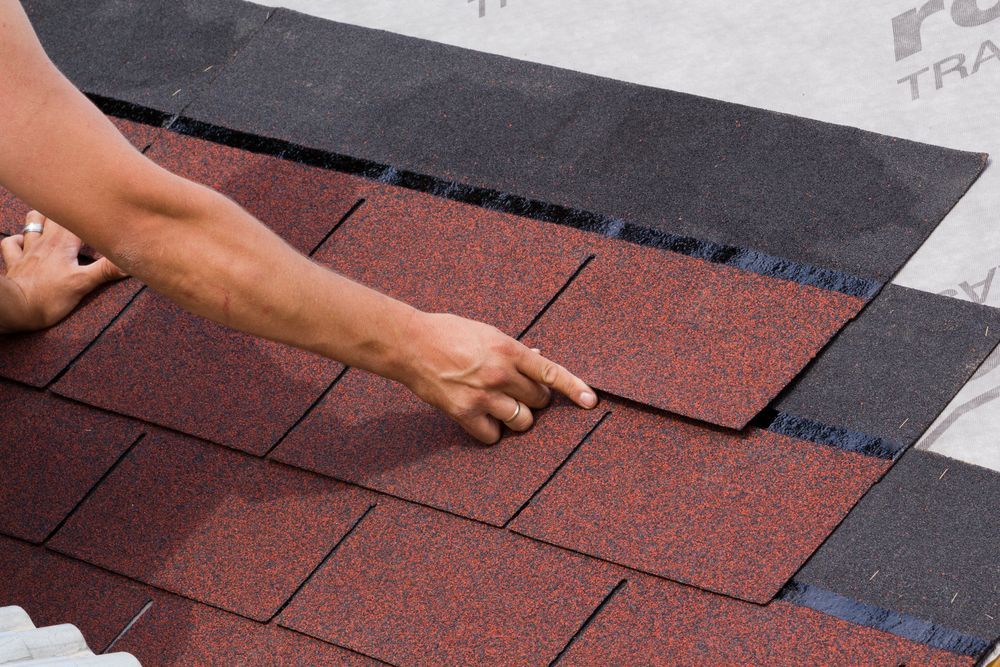
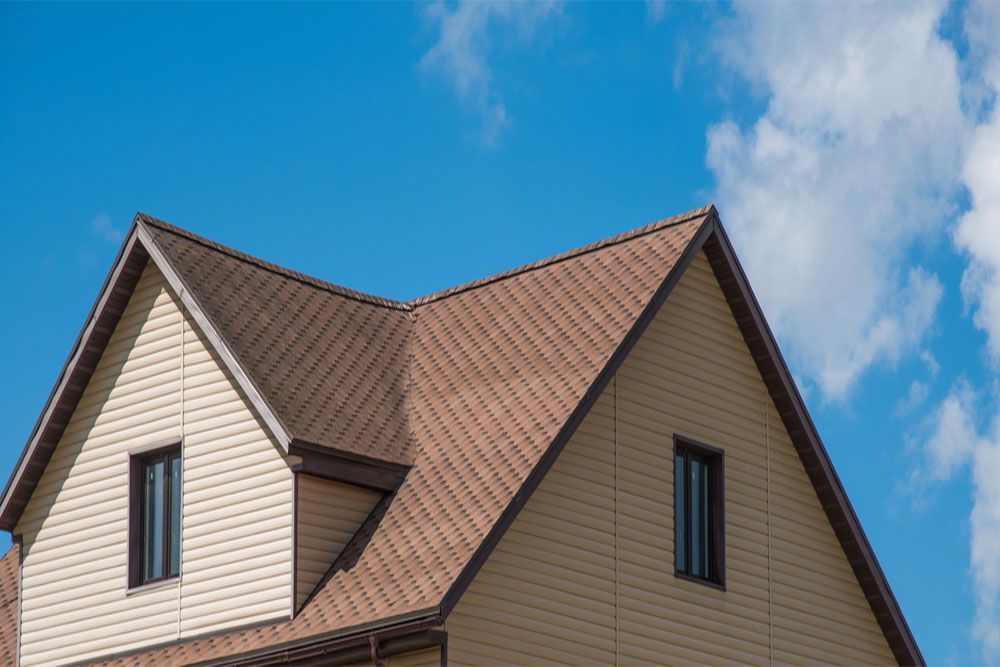
Strong winds lift shingles, loosen fasteners, and create gaps along roof edges and ridgelines. Once movement begins, repeated gusts increase the damage. Maintenance should focus on securing vulnerable areas, including flashing around chimneys, vents, and skylights.
Edge detailing deserves particular attention, as wind pressure concentrates along roof perimeters. Reinforcing these areas helps maintain alignment and prevents wind from gaining leverage beneath the roofing surface.
Preventing Water Intrusion During Heavy Rainfall
Rain tests every seam and transition point on a roof. Water intrusion often starts where flashing meets vertical surfaces or where sealants have aged. Keeping these components intact limits seepage during prolonged storms.
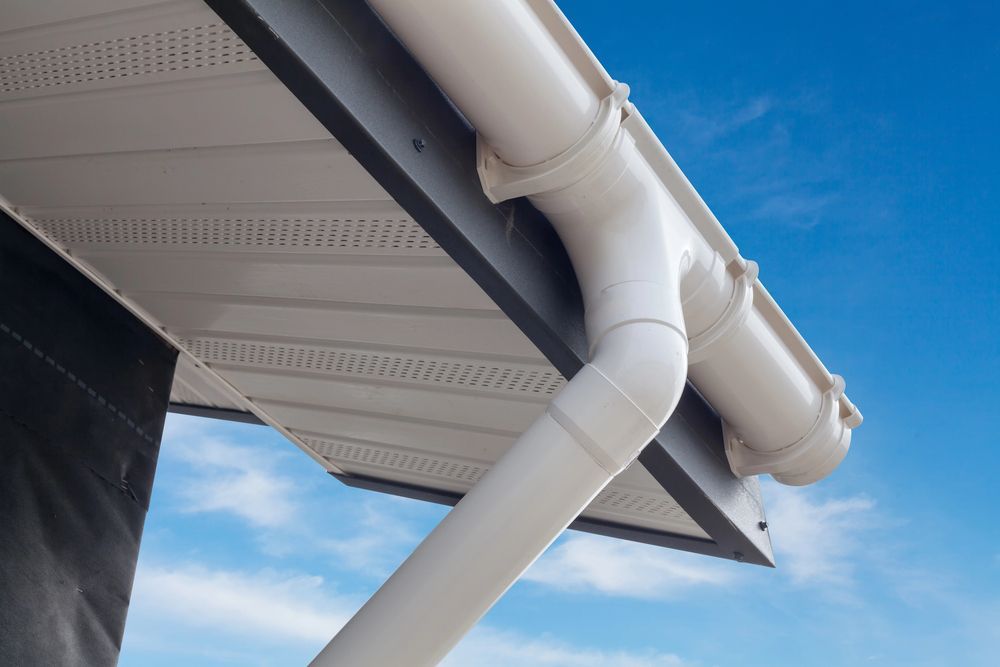
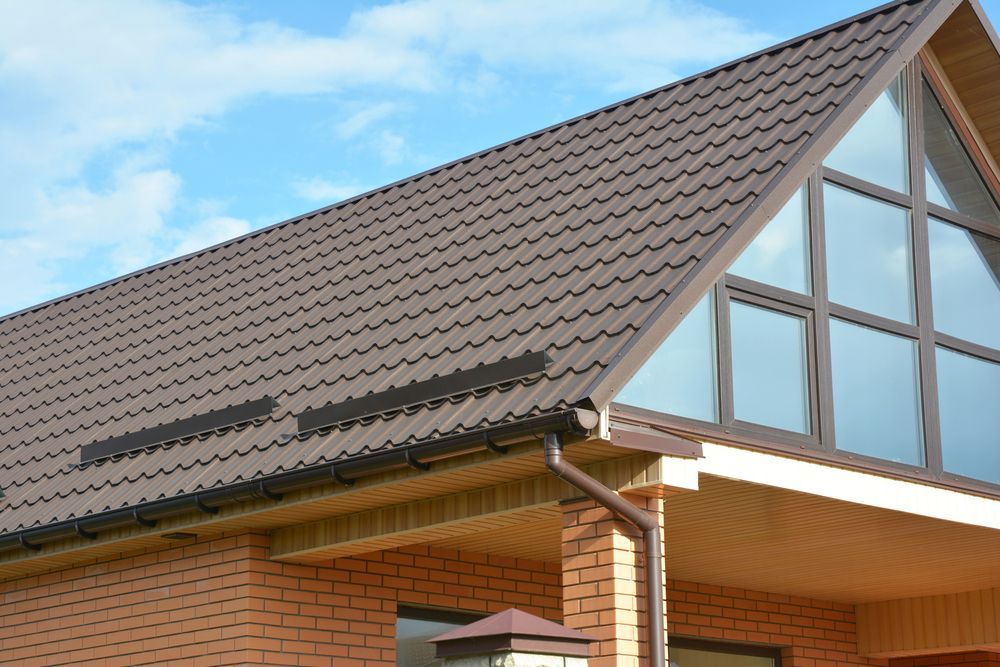
Gutters and downspouts also influence performance, since clogged drainage allows water to pool near the roofline. Clear pathways guide runoff away from shingles and reduce the chance of moisture backing up under roofing materials.
Cold Weather Challenges and Ice-Related Stress
Freezing temperatures introduce expansion and contraction cycles that stress roofing materials. Snow accumulation adds weight, while melting and refreezing water can widen small openings. Ice dams form when heat escapes unevenly, forcing water under shingles instead of into gutters.
Balanced attic insulation and ventilation reduce these conditions by stabilizing roof temperatures. Removing excess snow in a controlled manner also limits structural strain without disturbing roofing layers.
Heat, Sun Exposure, and Surface Degradation
Extended heat and ultraviolet exposure dry out shingles and accelerate aging. Over time, surfaces lose flexibility, making them more susceptible to cracking during temperature drops. Maintenance in warmer months focuses on identifying brittle materials and addressing them before seasonal shifts occur. Proper ventilation also reduces heat buildup beneath the roof, lowering thermal stress and slowing material fatigue.
Tree Management and Debris Control
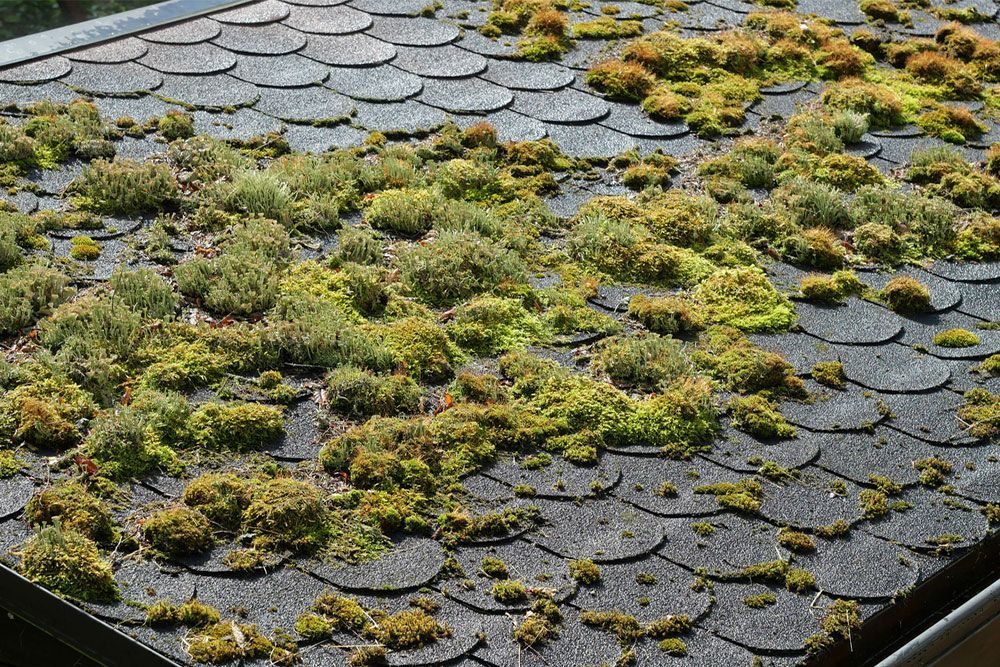
Overhanging branches introduce multiple risks during storms. Limbs can scrape roofing surfaces, drop debris, or break off under wind pressure. Leaves and organic matter trap moisture, creating conditions for rot and surface deterioration.
Regular trimming keeps branches at a safe distance and limits debris accumulation. A clean roof surface sheds water more efficiently and remains easier to inspect after weather events.
Knowing When Repairs Become Necessary
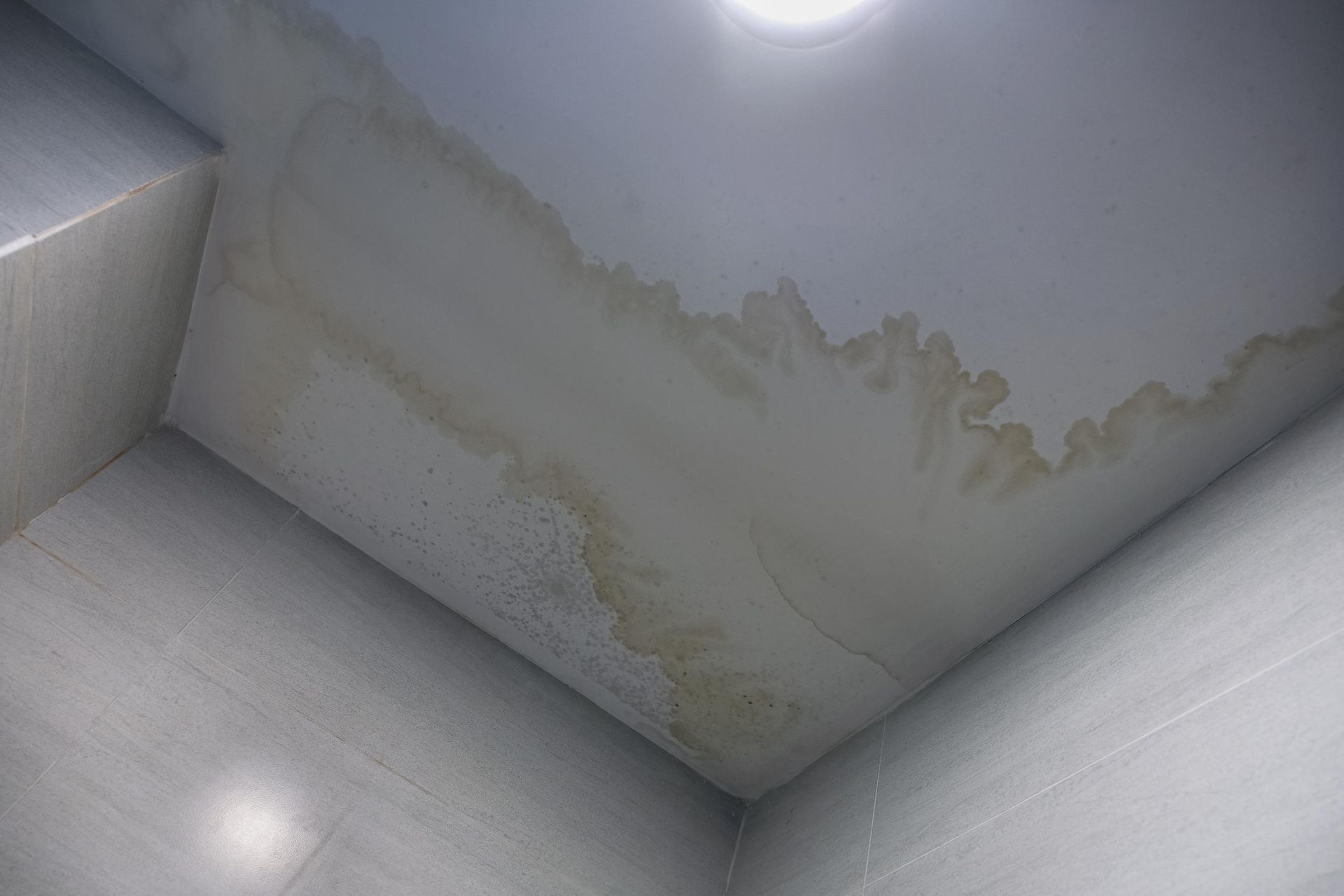
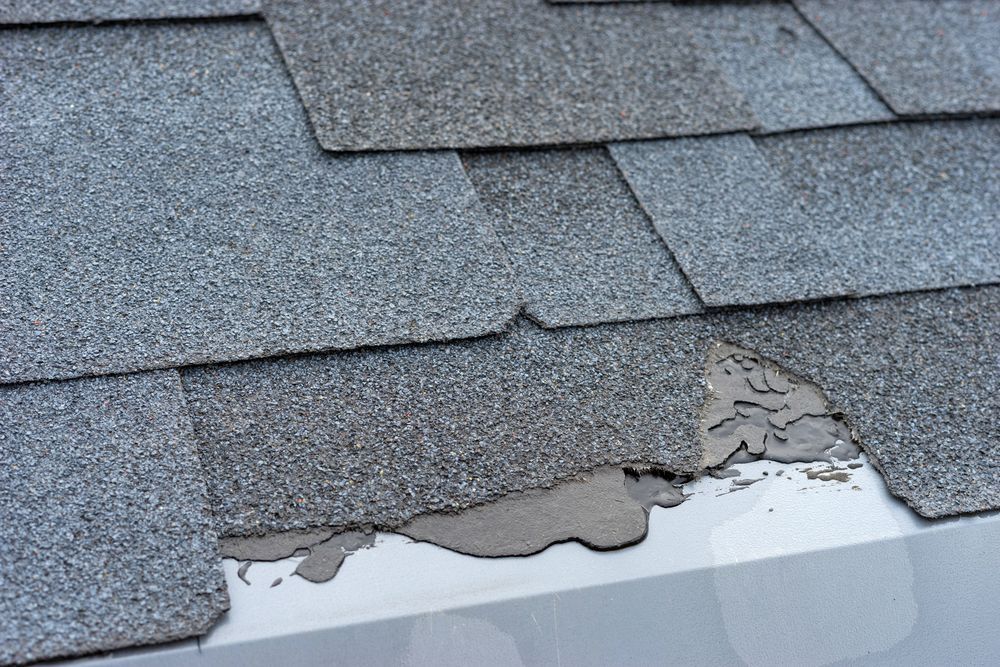
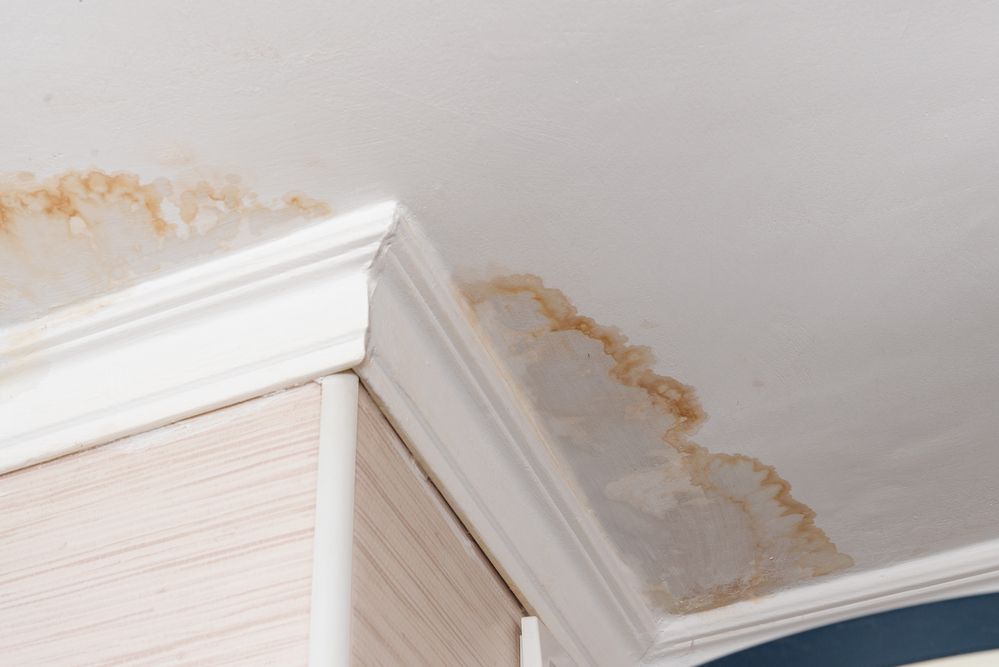
Maintenance does not eliminate the need for repairs, but it clarifies when action becomes unavoidable. Cracked shingles, lifted flashing, and recurring moisture stains indicate compromised areas that require professional attention.
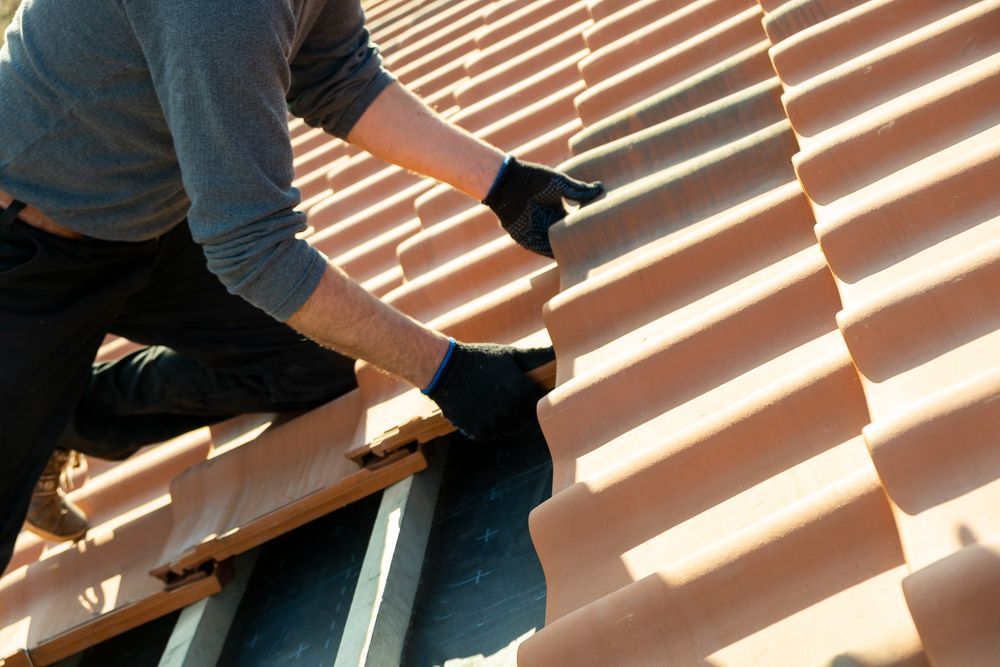
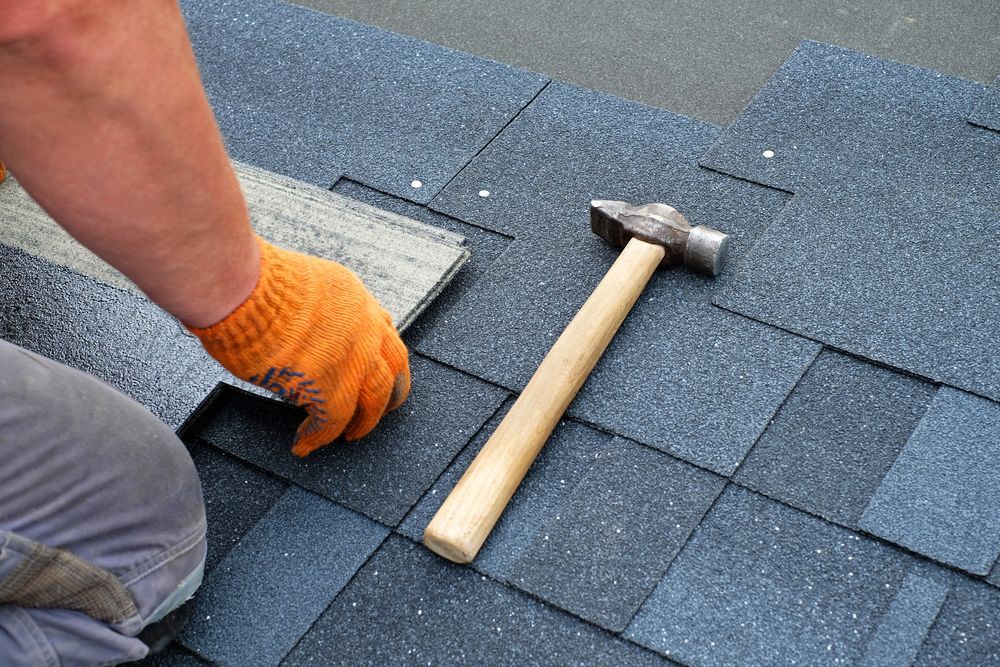
Timely roof repair services address these problems before surrounding materials are affected. Delaying repairs often increases labor scope and extends damage into structural components, raising overall costs.
Evaluating Long-Term Performance and Replacement Timing
In regions with repeated harsh weather cycles, roofs eventually reach a point where repairs no longer offer lasting value. Materials lose resilience, and weather events expose new weaknesses faster than they can be addressed.
At this stage, exploring roof replacement services allows homeowners to reset performance expectations with materials designed for current climate demands. Replacement decisions become more effective when informed by documented maintenance history and inspection findings.
Act Before the Next Storm Hits
Maintaining a roof in harsh weather conditions requires consistency, awareness, and timely action. At A1 Home Improvement, we approach roof care with long-term performance in mind, combining inspections, targeted repairs, and clear guidance. Our team works with Connecticut homeowners to reduce weather-related risks before they disrupt daily life.
If concerns arise or conditions change,
contact us to schedule a conversation and plan next steps with confidence.
FREQUENTLY ASKED QUESTIONS
About Painting Vinyl Siding
Share this Post