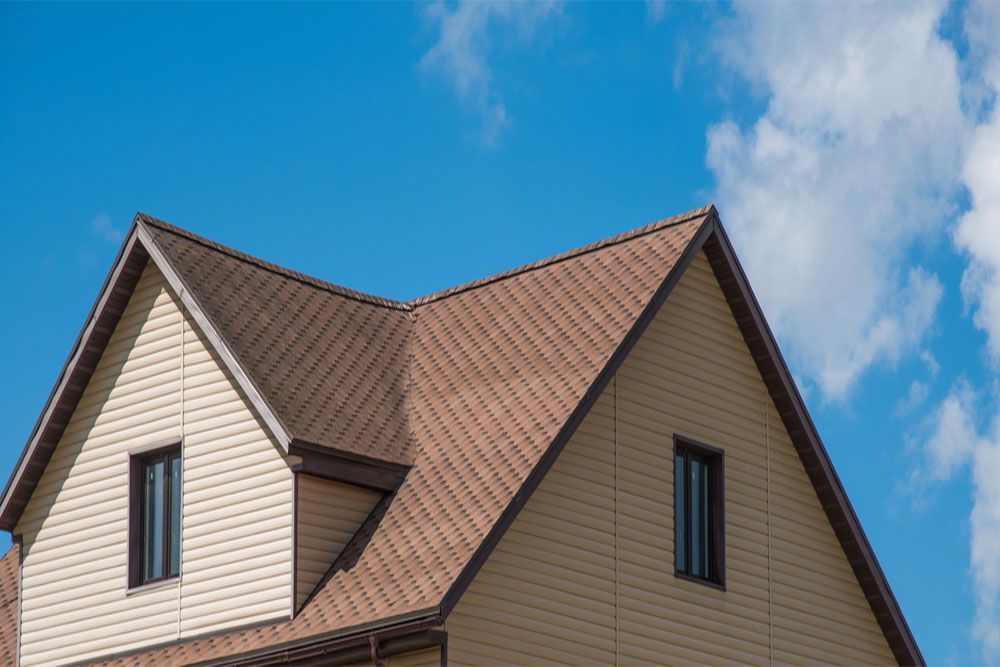
How To Repair Granular Loss On Roof Shingles
Granular loss on roof shingles often begins quietly, yet it can influence the long-term condition of an entire roofing system. Those small mineral granules protect shingles from sun exposure, water intrusion, and temperature stress. When they loosen or wash away, shingles age faster and become more vulnerable to damage.
Homeowners in Connecticut frequently notice granules in gutters or fading patches on shingles and wonder what steps make sense next. Understanding repair options, limits, and timing helps protect the roof structure and avoid unnecessary expenses.
What Granular Loss Means for Your Roof
Granules serve as the outer defense layer of asphalt shingles. They block ultraviolet rays, add fire resistance, and give shingles their finished appearance. When granules detach, the asphalt beneath becomes exposed to heat and moisture. This exposure speeds up cracking, curling, and surface breakdown.
Granular loss can appear gradually across aging roofs or suddenly after storms, foot traffic, or installation issues. Light granule shedding does not always signal immediate danger. Concentrated bald areas or widespread loss often indicate deeper concerns that require attention.
Common Causes Behind Granular Loss
Time remains the most common contributor. As shingles age, the adhesive that holds granules weakens. Connecticut weather adds stress through seasonal temperature shifts, heavy rain, snow loads, and wind-driven debris.
Storm activity can dislodge granules during hail impact or high winds. Poor attic ventilation also plays a role by trapping heat beneath the roof deck, which accelerates surface wear. Improper installation, such as overdriven nails or mismatched materials, can shorten shingle life. Repeated foot traffic during maintenance visits may also strip granules from vulnerable areas.
How to Identify Granular Loss Early
Granular loss often becomes visible before leaks appear. Gutters and downspouts filled with coarse sand-like material offer one of the first clues. Shingles with uneven color, shiny patches, or exposed asphalt indicate surface erosion.
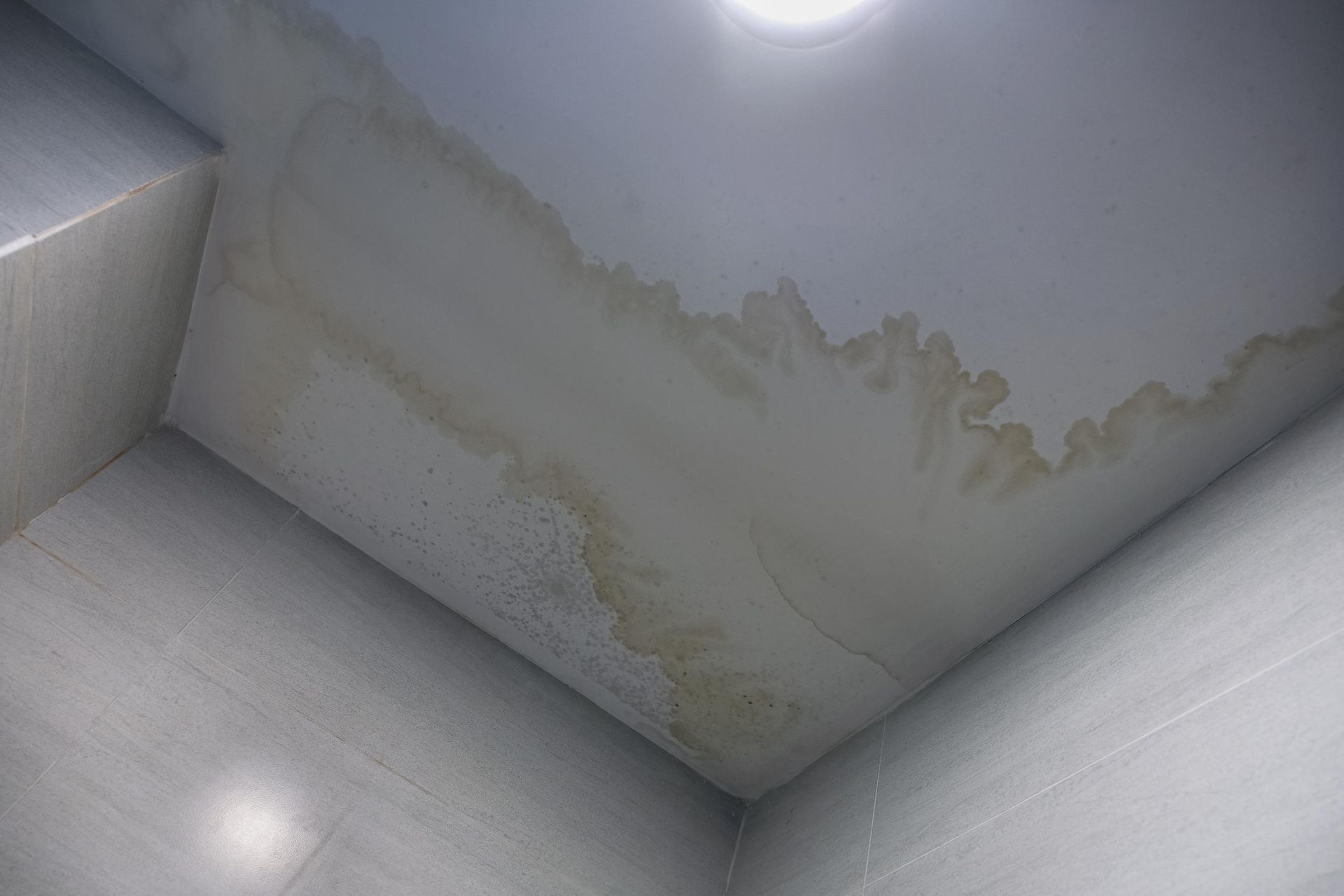
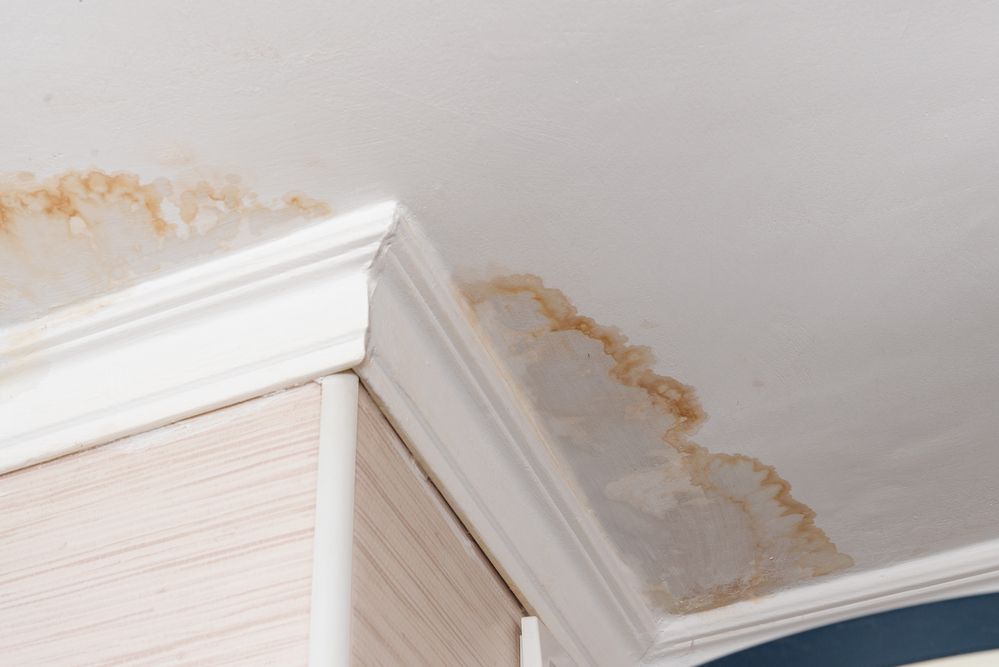
Interior signs may follow if damage progresses. Water stains on ceilings, rising energy bills, or inconsistent indoor temperatures can point to compromised roofing layers. Scheduling a professional roof inspection helps confirm the source of these symptoms and clarify the extent of damage before repairs escalate.
Can Granular Loss Be Repaired Directly
Granular loss cannot be reversed in the same way as a loose shingle or flashing issue. Granules form part of the manufacturing process, bonded under controlled conditions. Once they detach, full restoration to original condition is not possible.
That said, limited repair strategies can slow deterioration when damage remains localized. These approaches aim to protect exposed asphalt temporarily and prevent rapid moisture penetration. Understanding the limits of these methods helps homeowners set realistic expectations.
When Minor Repairs Make Sense
Spot repairs work best when granule loss affects a small area and the shingles remain structurally sound. Roofing professionals may apply specialized sealants or coatings designed to shield exposed asphalt from sunlight and water. These treatments act as short-term barriers rather than permanent fixes.
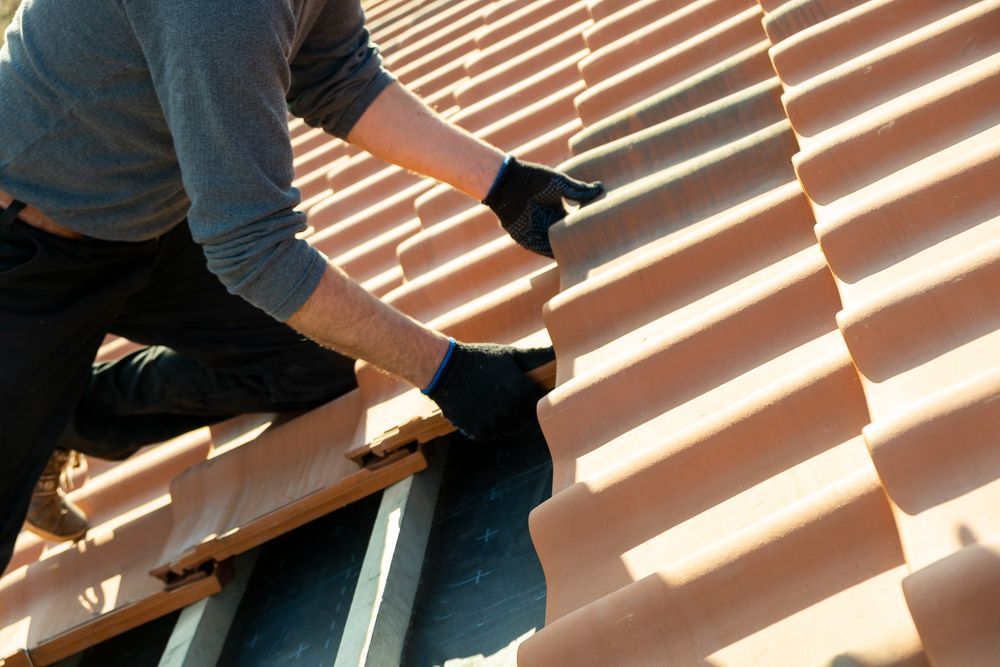
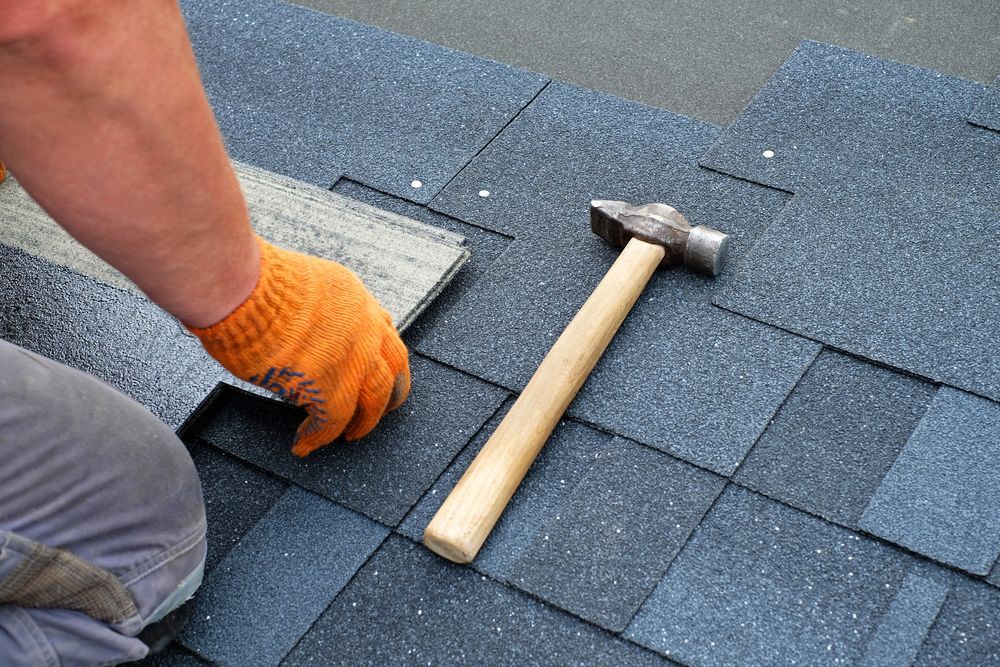
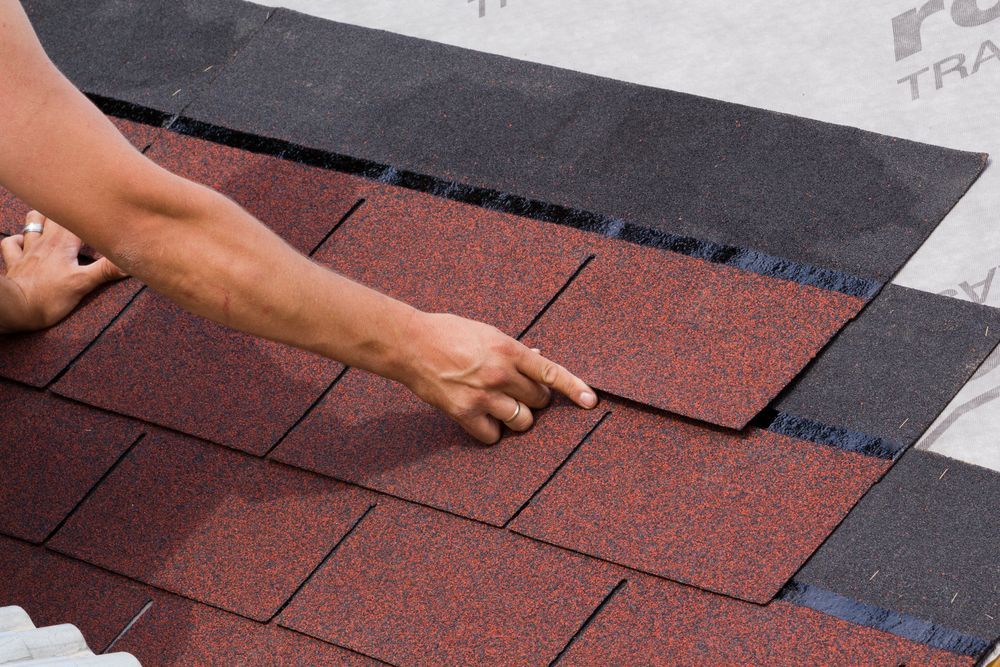
Replacing individual shingles may also resolve isolated bald spots. This option works when surrounding shingles still hold granules well and show no signs of widespread aging. Matching color and texture can be challenging on older roofs, yet functional performance matters more than appearance.
Homeowners considering minor repairs often benefit from professional roof repair services that evaluate long-term performance instead of masking symptoms.
Why DIY Granule Replacement Falls Short
Some homeowners consider applying loose granules or coating products themselves. This approach rarely delivers reliable results. Adhesion issues, uneven application, and safety risks limit effectiveness. Walking on a compromised roof may also cause additional damage.
Store-bought roof coatings often fail to match manufacturer specifications. Improper use can trap moisture or void existing warranties. Professional evaluation helps avoid wasted effort and unintended consequences.
When Granular Loss Signals a Bigger Problem
Widespread granule loss usually indicates the roof is approaching the end of its service life. When bald patches appear across multiple slopes or shingles feel brittle, repairs offer diminishing returns. Water resistance declines quickly once asphalt becomes exposed.
Repeated minor repairs may cost more over time than planned replacement. In these cases, granular loss serves as an early warning rather than the main issue. Addressing the underlying condition protects interior spaces, insulation, and structural framing.
How Preventive Care Reduces Granular Loss
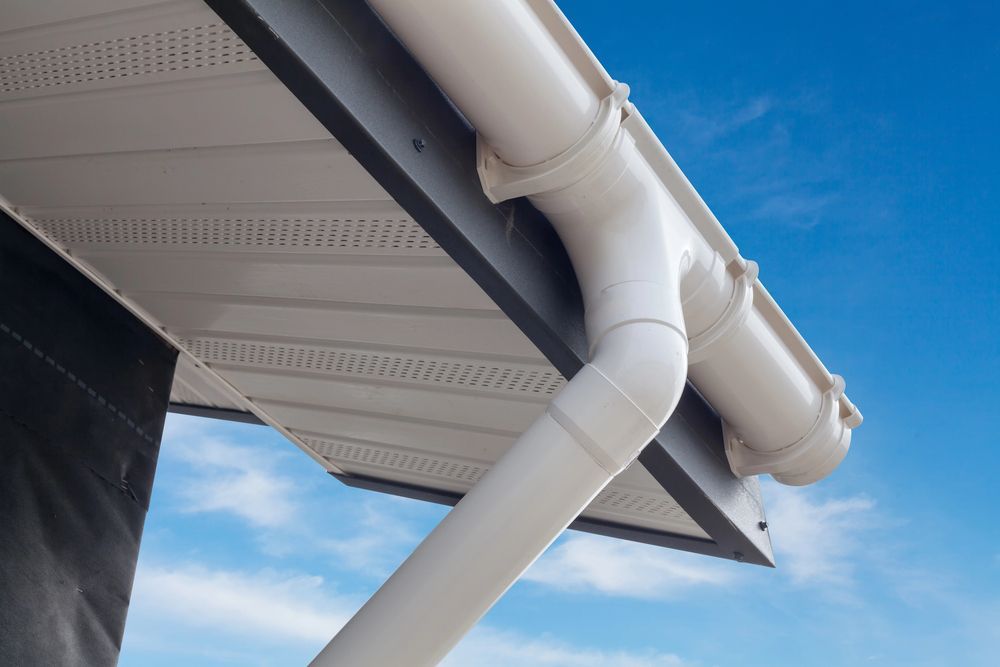
Preventive care extends shingle life and slows surface wear. Keeping gutters clear reduces water backup that can wash granules away. Trimming overhanging branches limits abrasion from debris and falling limbs.
Proper attic ventilation regulates roof temperature, reducing thermal stress on shingles. Scheduling routine inspections after storms allows small issues to be addressed before they worsen. Professional assessments also catch flashing failures or drainage problems that contribute to surface erosion.
The Role of Weather in Connecticut Homes
Connecticut roofs face unique challenges due to seasonal extremes. Freeze-thaw cycles stress shingle bonds, while summer heat accelerates aging. Coastal areas experience salt exposure and high winds, which can loosen granules faster than inland locations.
Understanding local climate patterns helps guide maintenance decisions. A repair approach that works in mild regions may not hold up under northeastern weather demands. Local experience matters when evaluating repair timelines and replacement planning.
Repair Versus Replacement Decision Factors
Deciding between repair and replacement depends on roof age, extent of granular loss, and overall shingle condition. Younger roofs with isolated wear often benefit from targeted repairs. Older systems showing consistent erosion across slopes usually perform better with replacement planning.
Budget considerations matter, but so does long-term value. Investing in repeated temporary fixes may delay necessary work while increasing future risk. Professional guidance clarifies which path aligns with the roof condition rather than short-term convenience.
How Professional Evaluation Adds Value
A trained roofing professional assesses more than surface appearance. They examine decking integrity, flashing connections, ventilation balance, and moisture pathways. This comprehensive approach identifies whether granular loss stems from normal aging or correctable installation issues.
Professional recommendations focus on performance, safety, and durability. Clear explanations help homeowners make informed decisions without pressure. That clarity builds confidence during repair or replacement planning.
Schedule a Roof Assessment With Confidence
Granular loss often raises questions about timing, cost, and urgency. Addressing concerns early reduces stress and limits damage escalation. A qualified evaluation creates a clear path forward, whether that involves repair, monitoring, or replacement planning.
At A1 Home Improvement, we look beyond surface symptoms to understand what your roof truly needs. Granular loss often signals deeper wear, and our team helps homeowners choose practical solutions that protect long-term value.
You can
contact us to schedule an assessment and talk through repair options that fit your roof condition.
FREQUENTLY ASKED QUESTIONS
About Painting Vinyl Siding
Share this Post