Composition Roof Vs. Asphalt Shingles: Which Should You Choose?
Choosing the right roofing material influences how a home performs, ages, and retains value over time. Connecticut homeowners often compare a composition roof and asphalt shingles because both options address weather demands while offering different benefits in appearance, longevity, and cost.
Understanding how these materials are built, how they respond to seasonal changes, and how they fit long-term plans allows property owners to make smarter decisions. This guide examines real performance factors, not surface-level claims, so homeowners can evaluate what truly fits their roof, budget, and expectations.
Understanding the Composition Roof Vs Asphalt Shingles Debate
The phrase composition roof vs asphalt shingles often causes confusion because asphalt shingles are technically a type of composition roofing. Composition roofing refers to shingles made from multiple materials combined into a layered system. Asphalt shingles fall under this category, but the term composition roofing is also used when comparing standard asphalt shingles to enhanced or specialty composite designs.
For homeowners, the real comparison focuses on construction quality, durability, visual depth, and long-term performance rather than terminology. The decision becomes clearer when each option is evaluated based on how it performs on Connecticut homes through heat, snow, wind, and moisture.
What Defines a Composition Roof
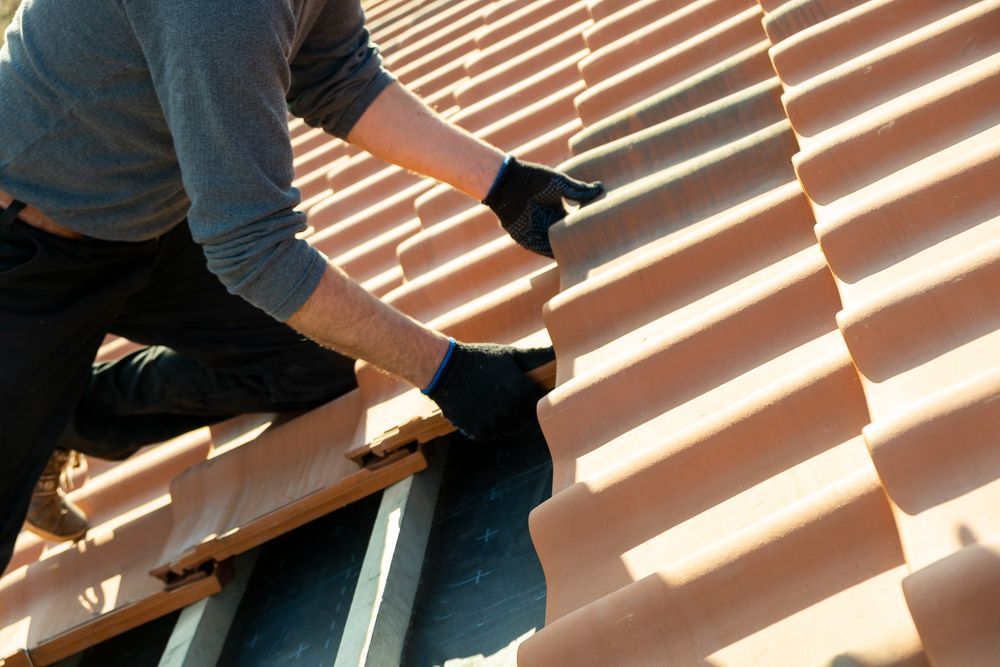
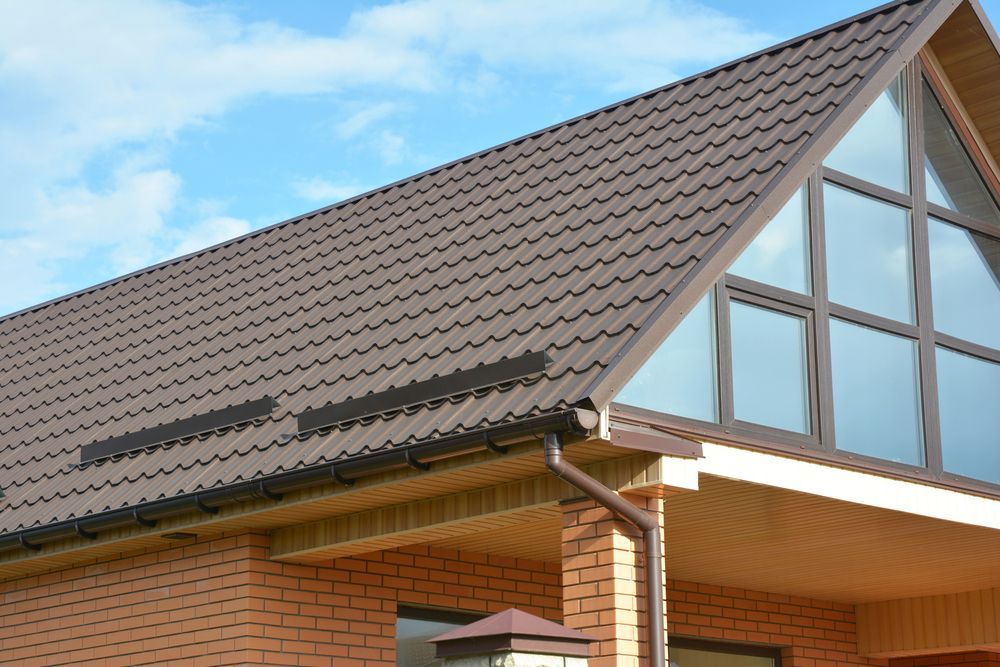
A composition roof is built using engineered materials layered together to balance strength, flexibility, and weather resistance. Most systems include a fiberglass base mat, asphalt coatings, and mineral granules. These layers work together to protect against water intrusion, UV exposure, and temperature shifts.
Modern composition roofing systems vary widely. Some focus on enhanced thickness for visual depth, while others prioritize impact resistance or extended lifespan. Homeowners considering composition roofing often value consistency in appearance and dependable performance across decades when installed correctly.
What Makes Asphalt Shingles a Popular Choice
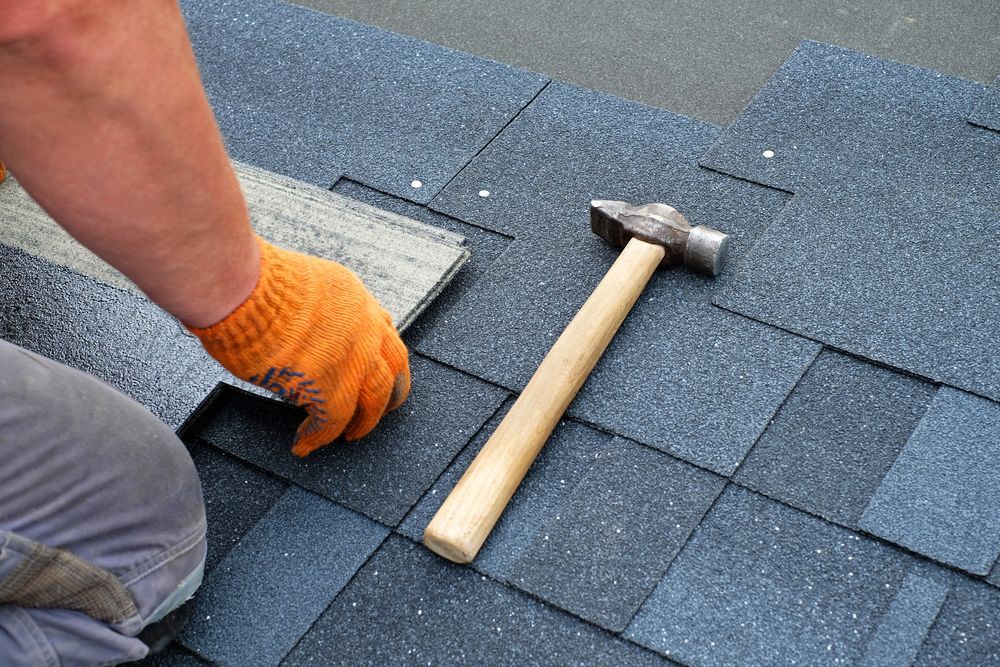
Asphalt shingles remain one of the most widely installed roofing materials in Connecticut. Their popularity comes from predictable performance, straightforward installation, and a wide range of architectural styles. Architectural asphalt shingles, in particular, add dimension and texture compared to older flat designs.
Asphalt shingles perform well in mixed climates, managing snow load in winter and heat exposure in summer. Their design allows water to shed efficiently while maintaining flexibility during freeze-thaw cycles common in the region.
Visual Impact and Architectural Compatibility
Curb appeal plays a major role in the composition roof vs asphalt shingles decision. Composition roofing options often feature deeper shadow lines and a more refined profile, which can elevate the overall look of a home. Some designs replicate natural materials while maintaining uniformity across the roofline.
Asphalt shingles offer versatility across traditional and modern homes. With multiple color blends and profiles, they integrate easily with siding, trim, and exterior accents. For homeowners planning exterior updates, roof style should complement long-term design goals rather than stand alone.
Performance in Connecticut Weather Conditions
Connecticut experiences heavy snowfall, coastal moisture, high winds, and fluctuating temperatures. Roofing materials must handle all of these without premature wear.
Composition roofing systems are engineered to resist cracking, curling, and granule loss when exposed to temperature swings. Many options perform well under snow accumulation and ice melt cycles.
Asphalt shingles also handle regional conditions effectively when attic ventilation and installation details are correct. Their layered structure allows controlled expansion and contraction, reducing stress during seasonal changes. Material performance always depends on installation quality as much as product selection.
Lifespan and Long-Term Value
Lifespan often becomes a deciding factor in the composition roof vs asphalt shingles conversation. Composition roofing systems typically last longer due to enhanced material blends and thickness. Homeowners planning to stay in their homes for decades may view this extended lifespan as a strong advantage.
Architectural asphalt shingles offer a solid service life when maintained properly. While they may not last as long as premium composite systems, they balance longevity with affordability. For many homeowners, this balance aligns well with long-term ownership plans and budget expectations.
Maintenance and Repair Considerations
Maintenance demands influence overall ownership experience. Composition roofing systems are designed to minimize common issues such as cracking or uneven aging. Their durability can reduce the frequency of repairs over time.
Asphalt shingles are relatively easy to inspect and repair. Individual shingles can often be replaced without disturbing surrounding areas, which simplifies maintenance after storms or isolated damage. Routine evaluations help identify minor concerns before they affect larger sections of the roof. Scheduling a professional roof inspection allows homeowners to track roof condition and plan ahead rather than react to unexpected issues.
Installation Factors That Affect Results
No roofing material performs well without proper installation. Both composition roofing systems and asphalt shingles rely on correct underlayment placement, ventilation design, flashing details, and fastening techniques.
Complex rooflines, pitch variations, and existing structural conditions can influence which option works best. A professional evaluation identifies factors that affect material choice, installation approach, and long-term results. Homeowners planning upgrades often benefit from discussing installation details alongside material selection rather than treating them as separate decisions.
Cost Considerations Beyond the Surface Price
Upfront cost differences matter, but total value extends beyond initial pricing. Composition roofing systems usually involve higher material costs due to advanced manufacturing and enhanced durability. Over time, reduced maintenance and longer lifespan can offset the initial investment.
Asphalt shingles remain budget-conscious while delivering dependable protection. Their cost efficiency makes them attractive for homeowners planning phased exterior updates or future renovations. For those preparing for a full roof upgrade, discussing roof replacement services helps clarify how material choice affects overall project scope and long-term planning.
Energy Performance and Home Comfort
Roofing materials influence attic temperatures and indoor comfort. Composition roofing systems often include reflective granules that help manage heat absorption during warmer months. This can improve comfort levels without altering the home exterior.
Asphalt shingles also offer energy-rated options designed to reflect sunlight and reduce heat buildup. Performance varies by color, ventilation design, and insulation levels. Energy efficiency depends on how the roofing system works together rather than on shingles alone.
Talk With Us About Your Roofing Plans
At A1 Home Improvement, we help Connecticut homeowners navigate the composition roof vs asphalt shingles decision with practical insight and honest guidance. Our family-owned team evaluates real conditions, explains options clearly, and focuses on solutions that fit long-term goals.
When questions arise about materials, timelines, or next steps,
contact us and start a conversation that puts your home first.
FREQUENTLY ASKED QUESTIONS
About Painting Vinyl Siding
Share this Post