Is Moss Bad For Your Roof? How It Impacts Shingles And Structure
A roof often looks sturdy and unchanging, yet subtle biological growth can quietly shorten its lifespan. Moss is one of the most common issues homeowners notice, especially in shaded or damp climates. While it may appear harmless or even decorative, moss interacts with roofing materials in ways that accelerate wear.
Understanding how moss behaves, why it spreads, and what it does to shingles and structural layers helps property owners make timely decisions. This knowledge also allows problems to be addressed early, before surface growth becomes a costly repair concern.
Why Moss Commonly Grows on Roof Surfaces
Moss thrives in environments that stay cool, shaded, and moist for long periods. Roof sections facing north or covered by tree canopies tend to retain moisture longer after rainfall. Shingles in these areas dry slowly, creating a surface where spores can take hold.
With time, organic debris such as leaves and pine needles trap additional moisture, creating a cycle that encourages steady growth. Once established, moss spreads outward and downward, following water flow paths along the roof.
Is Moss on Roof Bad for Shingle Performance
The question many homeowners ask is simple: is moss on roof bad for the materials protecting their home? The answer lies in how moss interacts with shingles. Moss holds moisture against the surface, preventing shingles from drying properly.
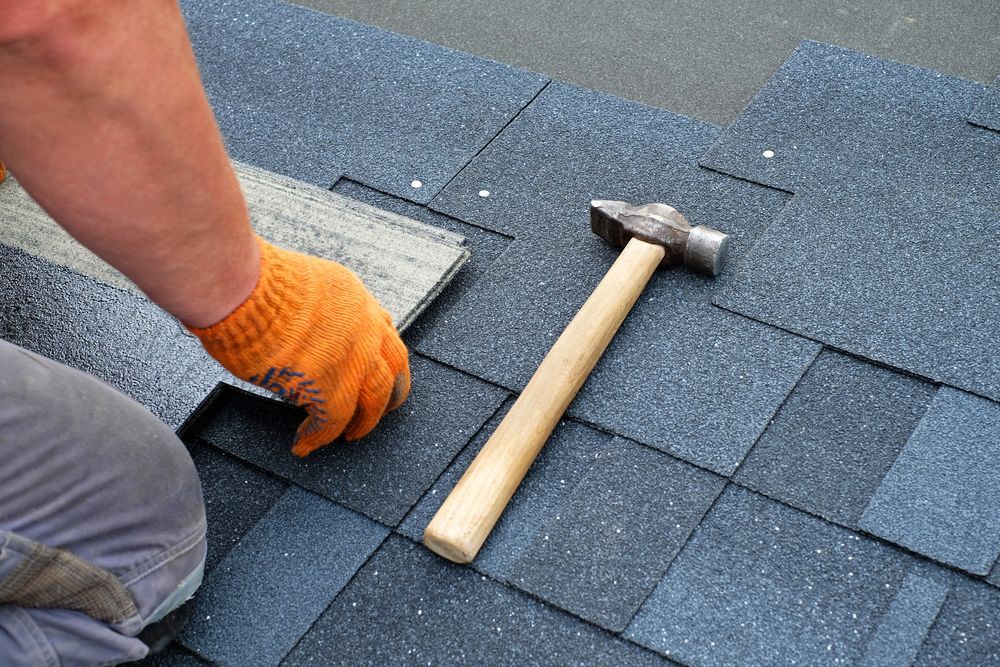
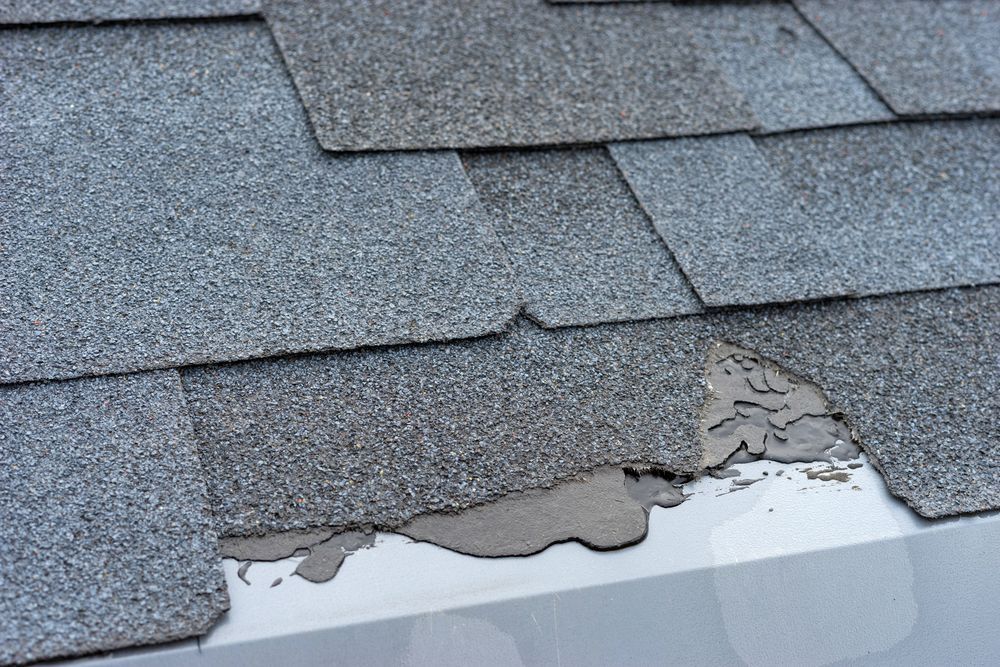
Asphalt shingles rely on evaporation to maintain their integrity. When moisture remains trapped, the asphalt softens and the protective granules loosen. This process reduces the shingle’s ability to shield against ultraviolet exposure and rainfall.
How Moss Contributes to Granule Loss
Shingle granules serve as a protective layer that reflects sunlight and shields asphalt from degradation. Moss growth interferes with this layer in several ways. As moss expands, it lifts slightly at the edges, pulling granules loose from the shingle surface. Rainwater then washes those granules into gutters or onto the ground.
Over time, exposed asphalt becomes brittle and more prone to cracking. Granule loss also reduces the visual uniformity of the roof, often signaling aging or damage during inspections.
Moisture Retention and Its Effect on Roof Layers
Moss acts like a sponge. It absorbs rainwater and dew, then releases moisture slowly. This prolonged dampness does not stop at the shingle surface. Water can migrate beneath shingles, reaching underlayment and decking. Wood components exposed to repeated moisture cycles may begin to swell, warp, or rot.
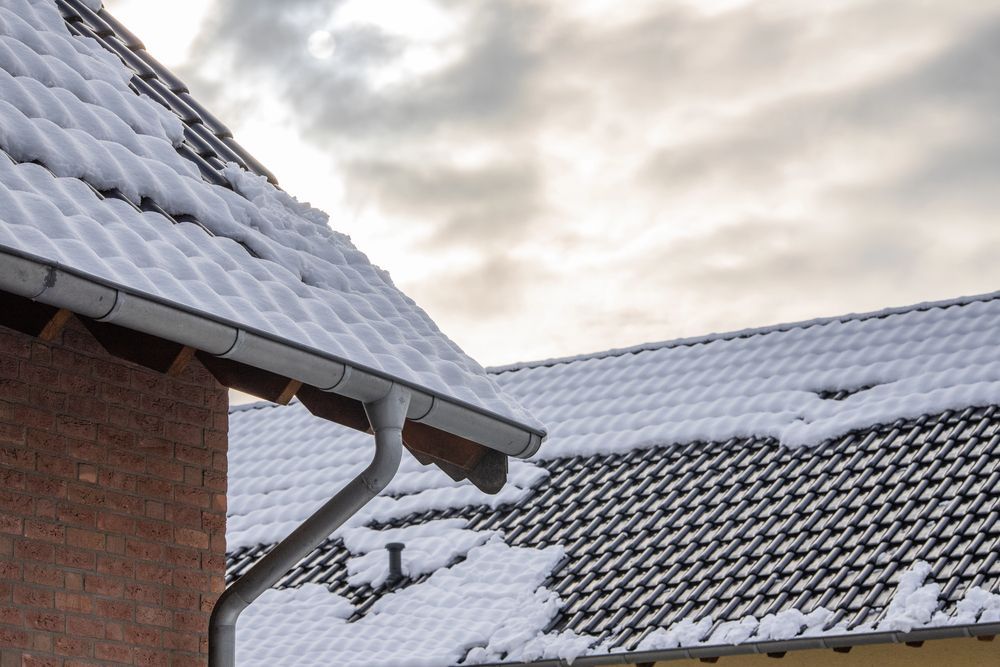
In colder months, trapped moisture increases the likelihood of freeze-thaw stress, which widens gaps and accelerates material fatigue.
Moss Growth and the Risk of Roof Leaks
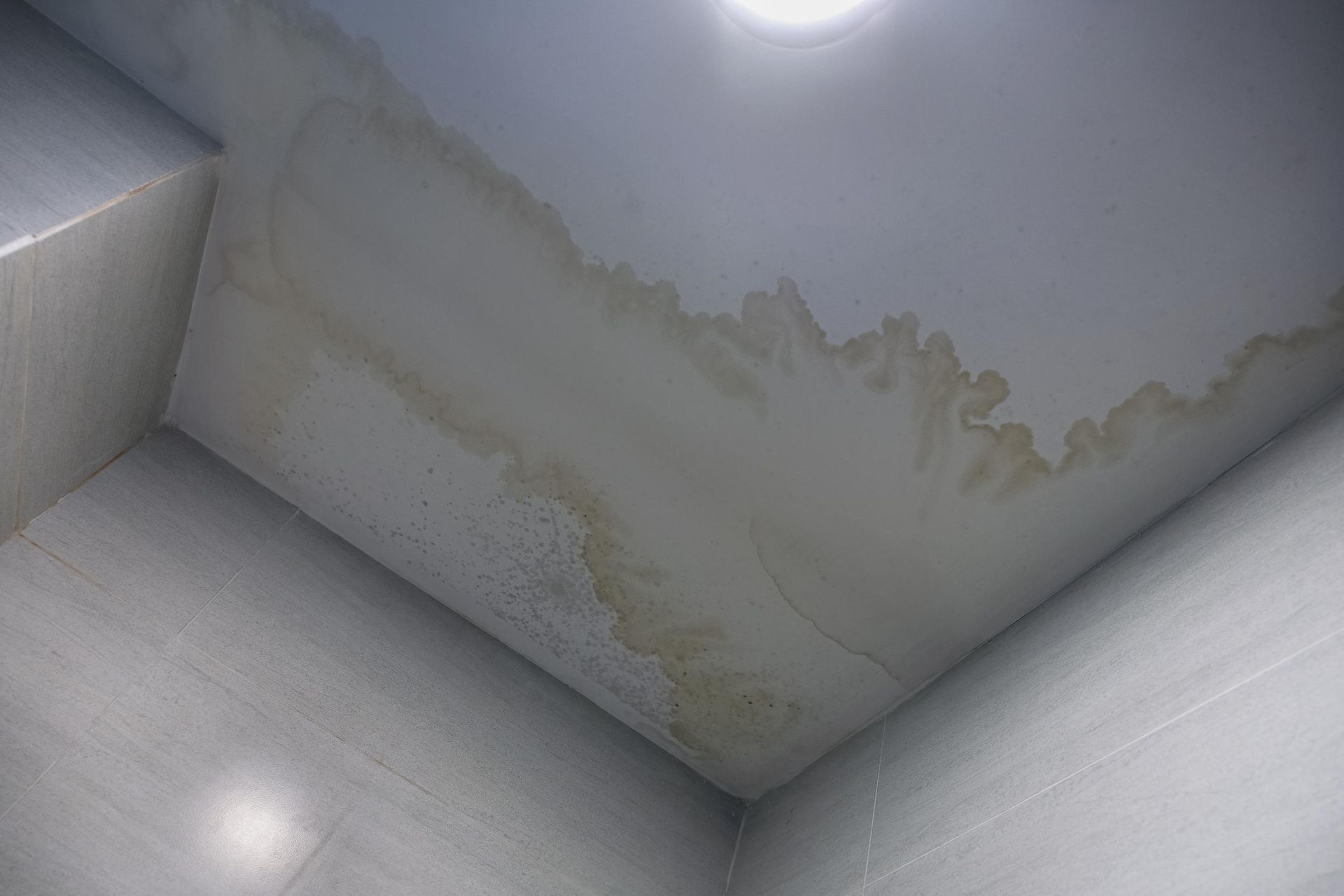
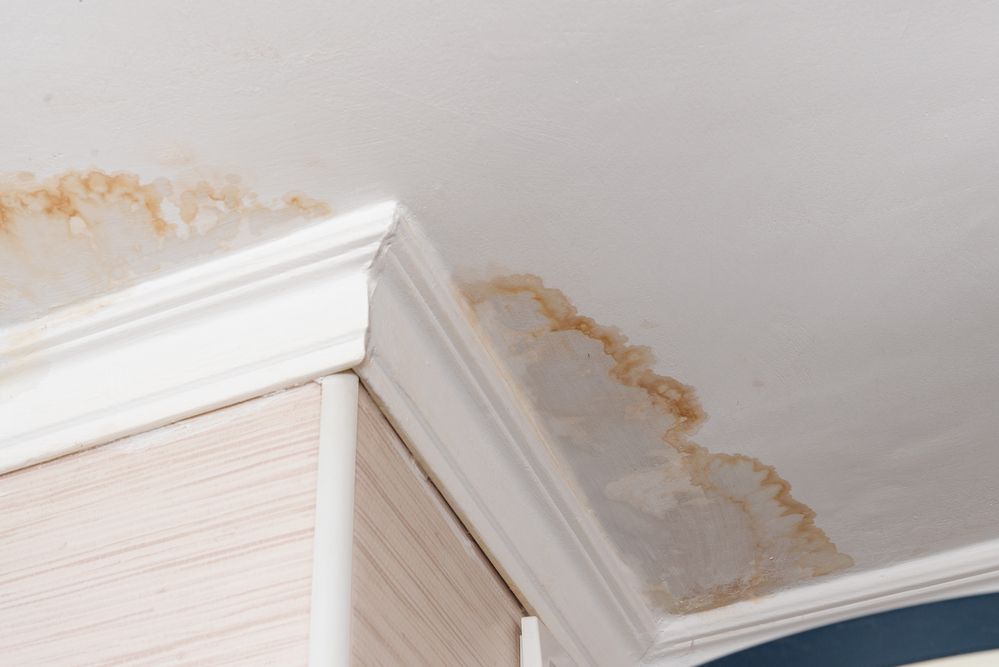
As moss lifts shingles and compromises their seal, pathways for water intrusion develop. Even small separations can allow wind-driven rain to bypass the outer roofing layer. Over time, these entry points may lead to leaks that affect insulation, ceilings, and interior walls.
Leaks caused by moss-related damage often appear gradually, making them harder to trace without a professional roof inspection. Early detection reduces the scope of repairs and limits interior damage.
Structural Concerns Beyond the Shingles
The impact of moss does not stop with shingles alone. Roof decking and framing rely on consistent dryness to maintain strength. Persistent moisture increases the risk of fungal decay in wood components.
This decay weakens load-bearing elements, which can affect how weight is distributed across the roof. In severe cases, prolonged exposure may contribute to sagging or uneven rooflines, signaling deeper structural concerns that require immediate attention.
Added Weight and Drainage Issues
Moss may look light, but it can hold a surprising amount of water. Large mats of moss become heavy after rainfall, adding stress to roofing systems not designed for that extra load. This weight can strain fasteners and decking over time.
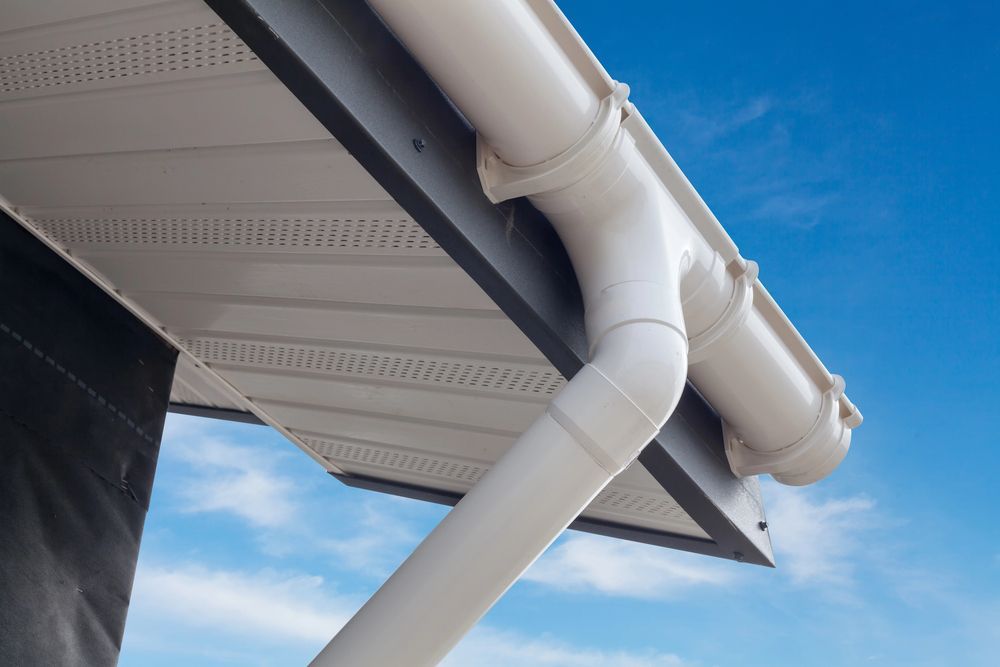
Moss also interferes with proper drainage by slowing water flow toward gutters. When water lingers, it increases the likelihood of pooling and seepage along vulnerable seams.
Why DIY Moss Removal Can Cause Damage
Homeowners sometimes attempt to remove moss using stiff brushes, pressure washers, or chemical cleaners. These methods often cause more harm than good. Aggressive brushing dislodges granules and shortens shingle life.
Pressure washing drives water beneath shingles, worsening moisture intrusion. Harsh chemicals may discolor roofing materials or damage surrounding landscaping.
Effective moss management requires methods that remove growth while preserving the integrity of the roofing surface.
Safe and Effective Moss Removal Practices
Professional moss removal focuses on gentle techniques. Manual removal using soft tools lifts moss without scraping shingles. Low-pressure air or rinsing clears debris from between shingle courses.
After removal, targeted treatments inhibit regrowth by altering surface conditions that moss prefers. These approaches address current growth while reducing future spread, all without compromising roofing materials.
Preventing Moss Through Roof Maintenance
Preventive care plays a major role in limiting moss development. Trimming overhanging branches allows more sunlight to reach the roof, promoting faster drying. Keeping gutters clear prevents water from backing up onto shingles.
Periodic inspections identify early signs of moss, granule loss, or moisture retention. Addressing small issues promptly keeps roofs performing as intended and extends their service life.
When Moss Signals the Need for Roof Repair
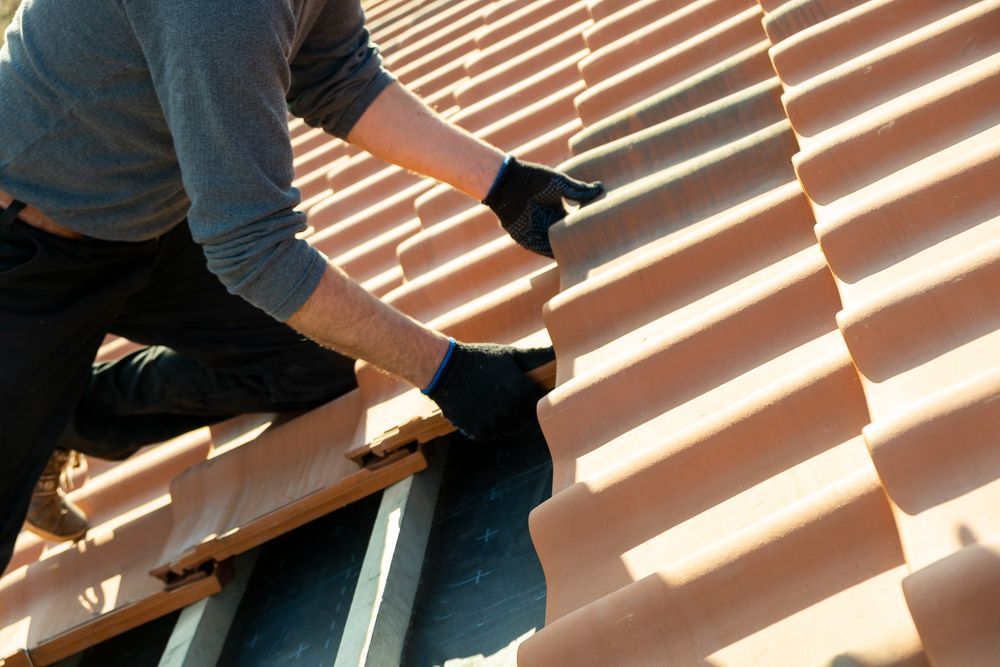
In some cases, moss growth reveals underlying problems that require more than cleaning. Shingles already weakened by age or weather exposure may need repair or replacement. Flashing damaged by persistent moisture can compromise roof transitions.
When these conditions appear, professional roof repair services address both the visible growth and the underlying causes. Timely repairs restore protection and prevent recurring issues.
How Climate Influences Moss Growth Patterns
Regional climate plays a significant role in moss development. Areas with frequent rainfall, high humidity, and limited direct sunlight see more aggressive growth. Seasonal temperature changes also matter.
Mild winters allow moss to remain active year-round, while freeze-thaw cycles intensify damage once moisture is trapped. Understanding local conditions helps homeowners anticipate risks and schedule maintenance at appropriate intervals.
The Impact of Moss on Property Value and Safety
A moss-covered roof can influence how a property is perceived. Potential buyers and inspectors often view visible growth as a sign of deferred maintenance. This perception may affect property value or negotiation outcomes.
Moss also creates slippery surfaces, increasing the risk of falls during routine maintenance or inspections. Addressing moss improves both appearance and safety.
Protect Your Roof With Help From A1 Home Improvement
At A1 Home Improvement, we take moss issues seriously because we see how often they lead to avoidable damage. Our team evaluates growth patterns, shingle condition, and moisture risks, then recommends practical solutions that align with your roof’s needs.
If moss has started to take hold or you want to prevent future issues,
contact usto schedule an inspection and keep your roof performing at its best.
FREQUENTLY ASKED QUESTIONS
About Painting Vinyl Siding
Share this Post