How Much Does A Commercial Roof Replacement Cost In Connecticut?
A commercial roof replacement in Connecticut is one of those projects where clarity beats guesswork every time. Cost isn’t random, but it can feel that way until you know what’s actually driving the number. Roof size, system type, tear-off needs, and roof details all steer the final price, and the smartest move is understanding those levers before you sign anything.
Roof Size and Scope
Square footage is the starting line. Larger roofs need more materials, more labor hours, more staging, and more time, so the budget naturally climbs with the footprint. Scope matters just as much, because “replace the roof” can mean anything from a straightforward swap to a full rebuild of problem areas.
Design complexity adds another layer. A clean, simple flat roof is usually more predictable than a roof packed with penetrations and features like skylights, chimneys, and multiple elevations. More features mean more transitions, more detail work, and more opportunities for leaks if the work isn’t done carefully.
Material Choices and Their Impact
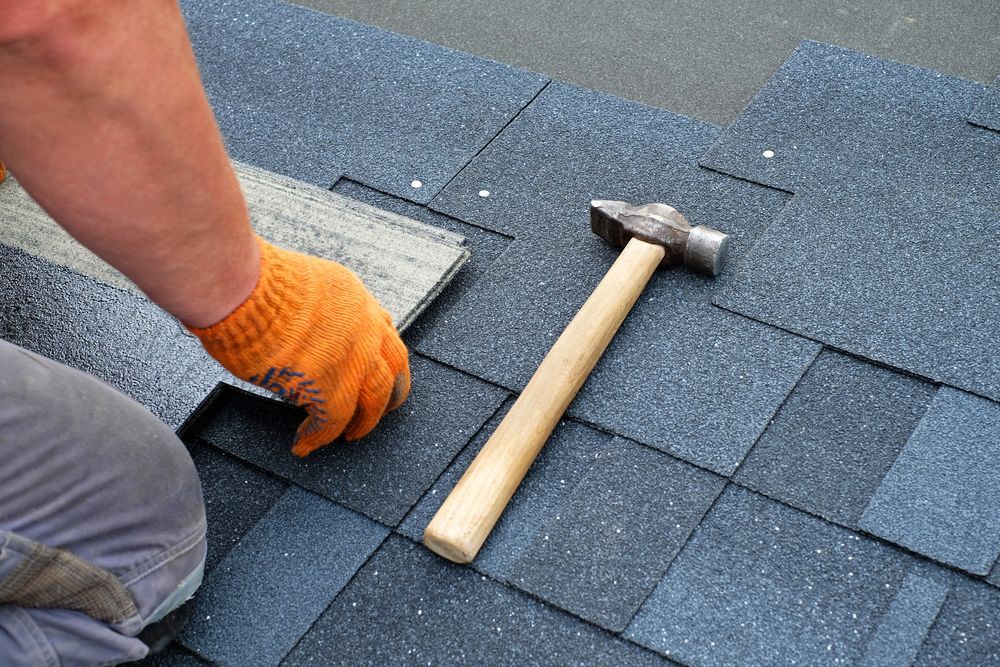
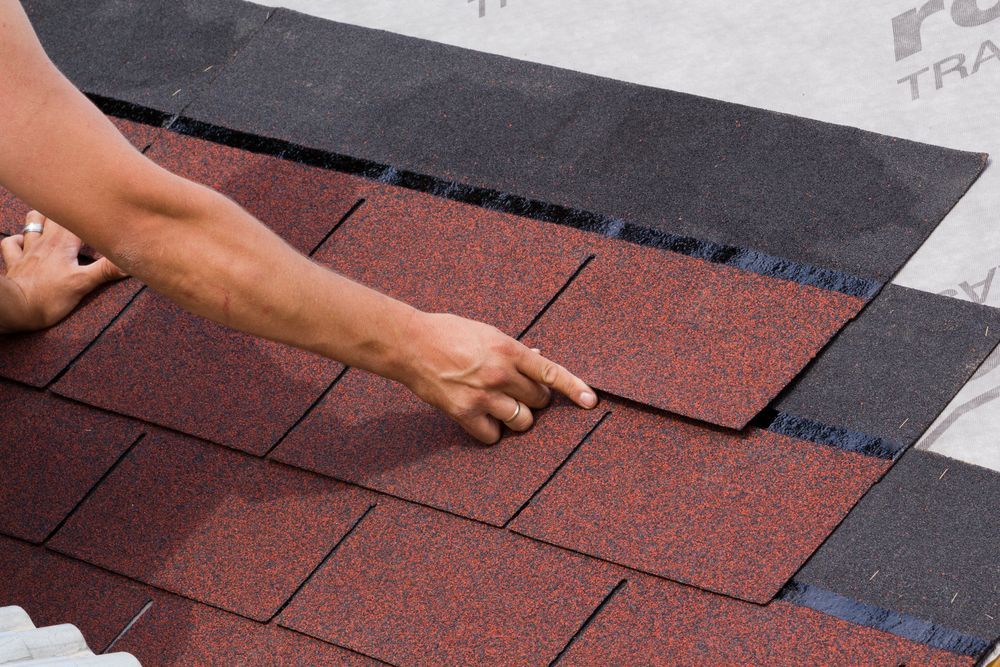
Materials can swing your budget fast. Some systems cost less upfront, while others cost more because they’re built for longer service life, better efficiency, or tougher conditions. The important question is not only “What does it cost today?” but also “What does it save or prevent over the next 10 to 20 years?”
A good contractor will explain options in plain language and match the system to your building’s needs. The right material choice should fit your property, your use case, and your long-term plans, not just a price point on paper.
Labor Costs and Contractor Fees
Labor is where the skill shows up. Commercial roofing is not just installation, it’s planning, staging, safety coordination, clean execution, and tight details that keep water out. Contractors price labor based on complexity, crew size, project duration, and the realities of the site.
Going with the lowest bid can be tempting, but roofs punish shortcuts. The best value usually comes from experienced workmanship that reduces callbacks, prevents early failures, and keeps your building protected for the long haul.
Removal of Old Roofing
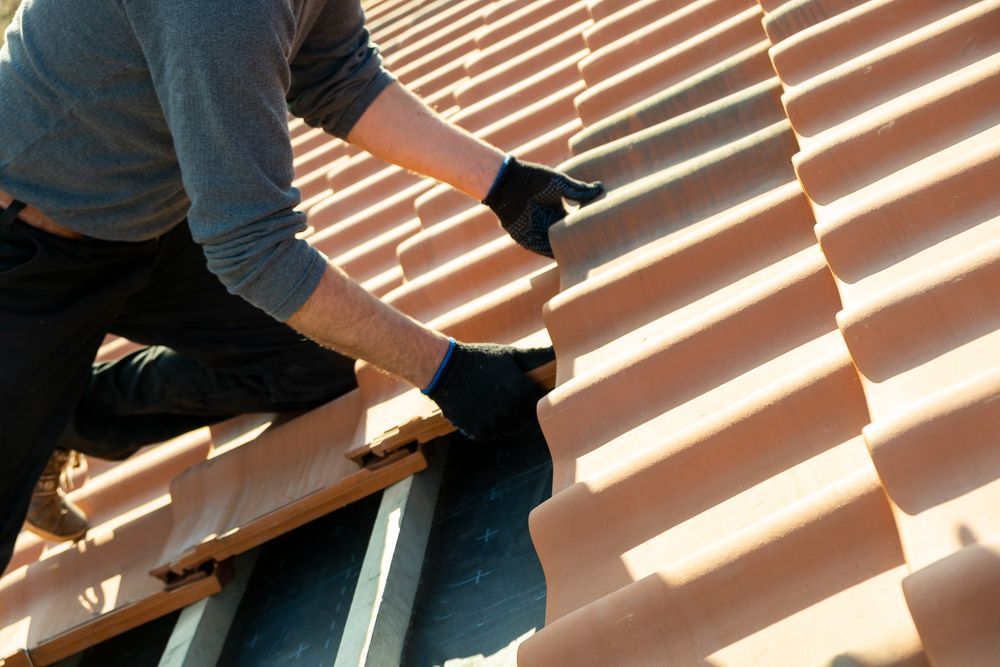
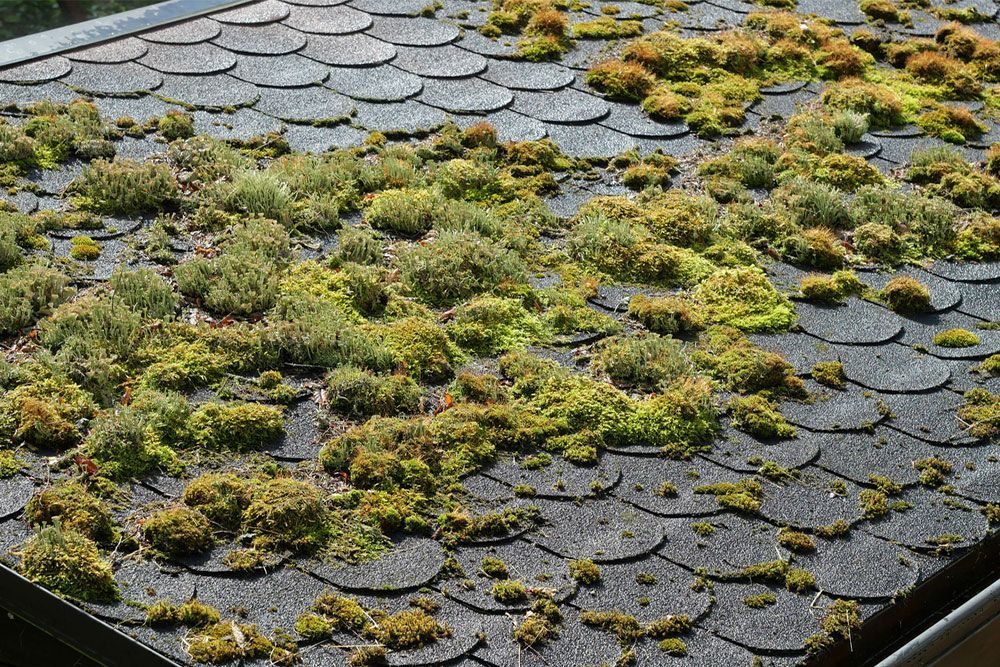
. Tear-off is often a major line item, and for good reason. Removing old material takes time, disposal costs, and sometimes specialized equipment, especially with built-up roofs or multiple layers. It can be straightforward, or it can be a bigger job depending on what’s already up there.
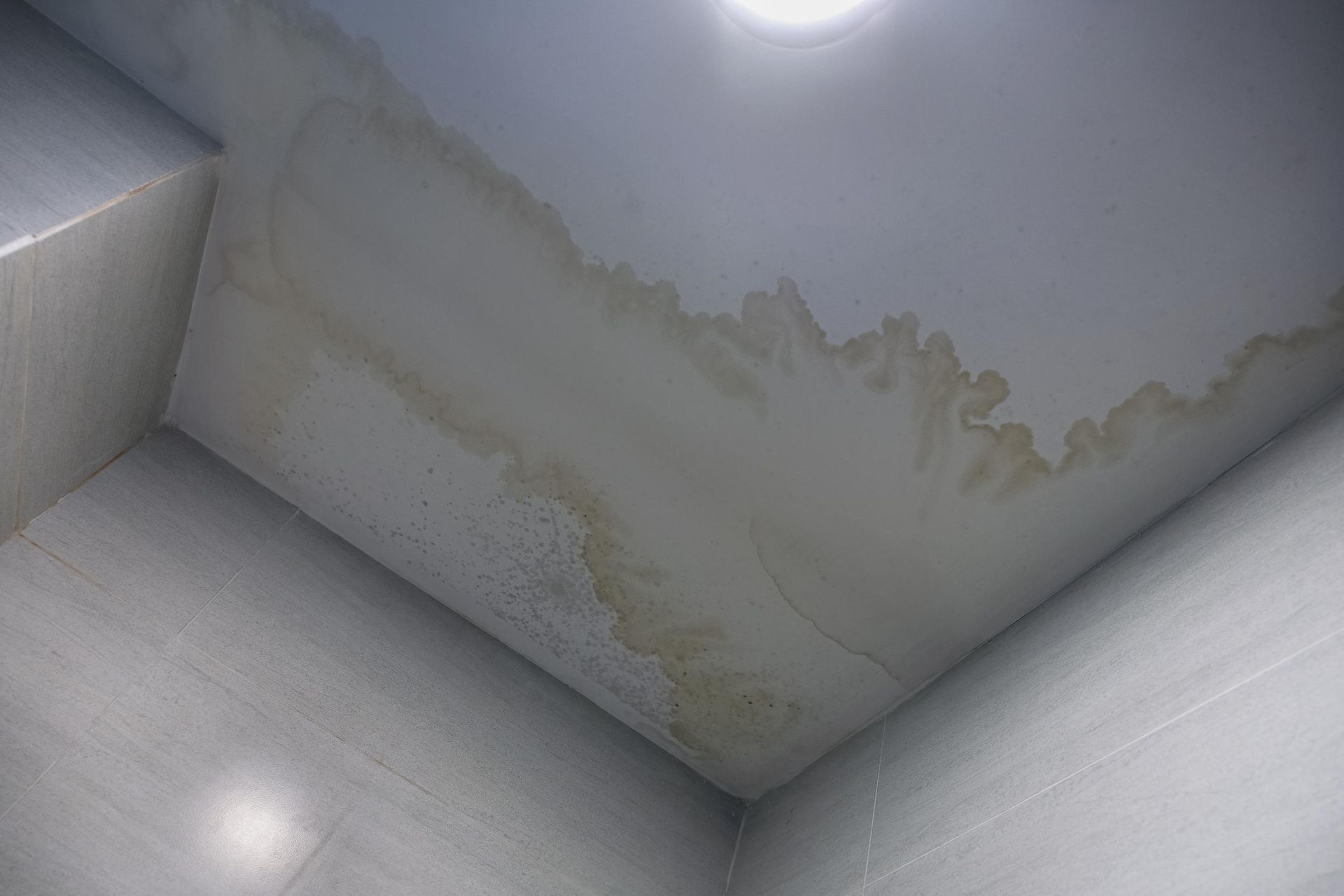
What’s underneath matters, too. If there’s moisture damage, rot, or structural issues hiding below the surface, repairs may be needed before the new system goes on. That’s why inspections matter, because the goal is a roof that performs, not a roof that covers up problems.
Roof Insulation and Underlayment
Insulation and underlayment are the behind-the-scenes pieces that can quietly make or break performance.If insulation is missing, outdated, or waterlogged, upgrading it adds to the cost but can improve comfort and reduce energy use over time. It’s a classic “pay now, save later” conversation.
Underlayment and related layers protect the structure and create a clean base for the system above. If those layers are damaged, replacing them adds scope, but it also sets the roof up to last longer and perform better.
Permits and Inspection Fees
Depending on the town and the project, permits and inspections may be part of the process in Connecticut. These costs are easy to overlook when you’re focused on materials and labor, but they can affect both budget and timeline. Checking local requirements early helps you avoid delays and last-minute surprises.
Seasonal Considerations
Timing can change the total cost, the schedule, or both.. Off-season work can sometimes be priced more competitively due to demand, but weather can slow production or complicate installation conditions. Peak season can bring tighter scheduling and sometimes higher pricing because calendars fill up fast. The best approach is to talk timeline early and plan around real-world conditions, not wishful ones. A roof installed carefully at the right time usually beats a rushed install squeezed into a tight window.
Roof Flashing and Additional Features
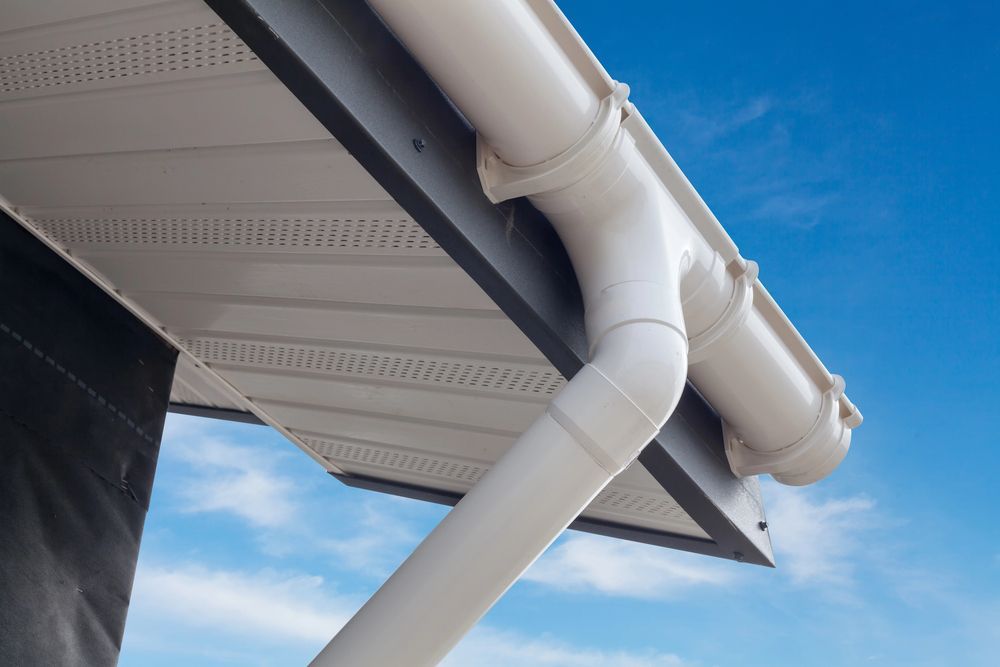
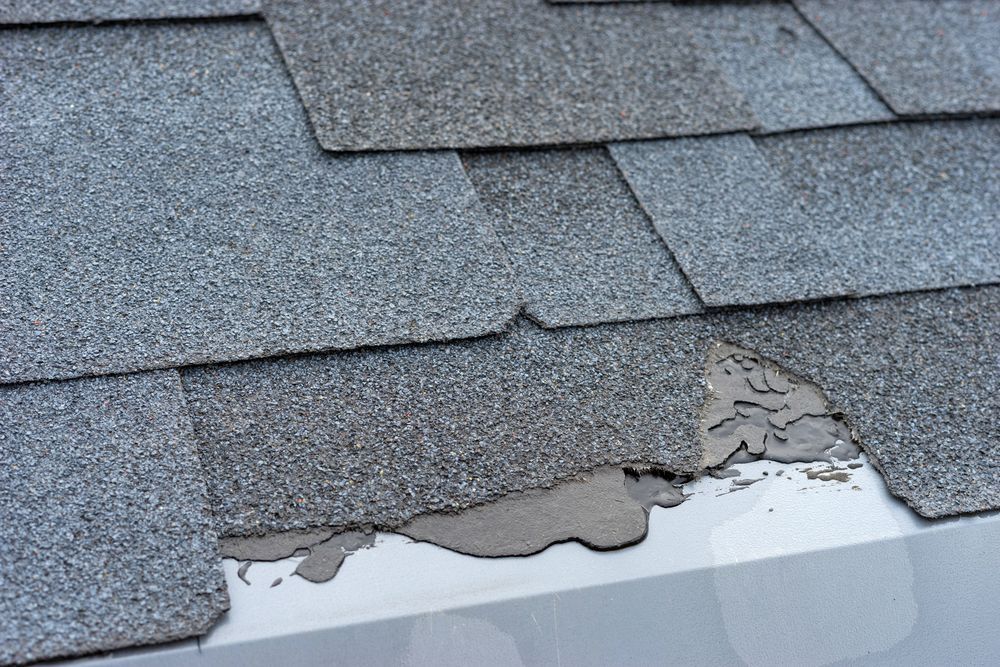
If water gets in, it often starts at details. Flashing, skylights, drains, parapet walls, HVAC curbs, and other penetrations are critical parts of a commercial roof system, and they take time to do correctly. These features can increase costs, but they also determine how well the roof resists leaks over time.
Flashing repairs and replacements vary depending on size and condition, and they should be clearly included in the scope. This is one of those areas where “included” needs to mean “spelled out,” not assumed.
Choosing the Right Roofing Contractor
The right contractor helps control costs by preventing mistakes. Look for proven experience, proper licensing and insurance, strong reviews, and a scope that’s detailed enough to trust. A clear proposal with clear assumptions is worth more than a vague estimate with a low number.
Getting multiple quotes is smart, but compare them carefully. Make sure you’re comparing the same scope, the same materials, the same tear-off assumptions, and the same warranty terms, otherwise the numbers are not truly comparable.
Your Next Step
If you are considering a commercial roof replacement for your property in Connecticut, A1 Home Improvement is here to help. With over 30 years of experience, we specialize in both commercial and residential roofing services.
Our team can guide you through the entire process, from choosing the right materials to handling necessary permits and inspections.
Contact us today to learn more about our
commercial roofing servicesand get a free, detailed estimate for your project.
FREQUENTLY ASKED QUESTIONS
About Painting Vinyl Siding
Share this Post