How Often Do Asphalt Roofs Need To Be Replaced? A Homeowner’s Guide
Asphalt roofs protect Connecticut homes through snow, heat, wind, and seasonal storms that test materials year after year. Homeowners often ask how long asphalt shingles last and what influences replacement timing.
Understanding lifespan expectations helps people plan responsibly instead of reacting during leaks or emergencies. Roofing age, installation quality, ventilation, and local weather patterns all influence long-term performance.
This guide explains replacement timelines, warning signs, maintenance considerations, and when professional roof replacement services become the most practical solution.
Understanding Asphalt Roof Lifespan Expectations
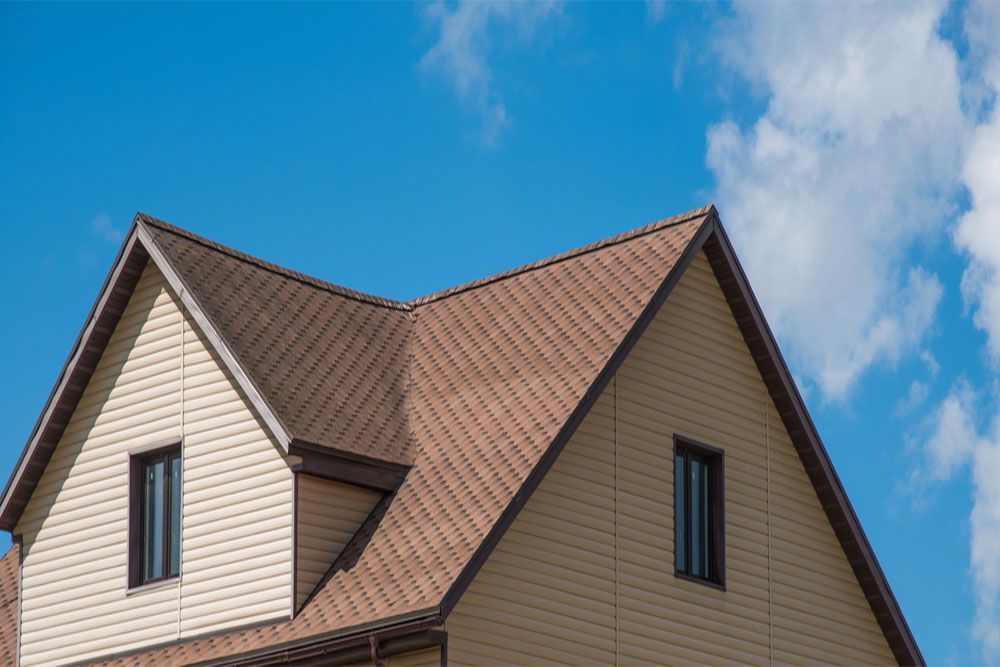
Asphalt shingles remain the most common residential roofing material across Connecticut due to affordability and balanced performance. Most asphalt roofs last between fifteen and thirty years depending on shingle type, installation standards, and environmental exposure. Three tab shingles generally reach the lower end of that range, while architectural shingles usually last longer.
Manufacturer ratings offer estimates, though real world conditions often shorten or extend those projections. Connecticut weather introduces temperature swings, moisture exposure, and winter ice that gradually influence shingle durability.
Roof lifespan depends on how materials age under consistent stress rather than calendar years alone. Sun exposure dries asphalt oils, causing shingles to lose flexibility over time. Repeated freeze thaw cycles slowly weaken adhesive bonds beneath shingle surfaces.
Wind uplift gradually loosens fasteners when shingles age beyond optimal flexibility. These factors accumulate quietly until damage becomes visible from the ground or attic. Early roof inspections and timely services can slow deterioration before replacement discussions become necessary.
Why Connecticut Climate Matters More Than Homeowners Expect
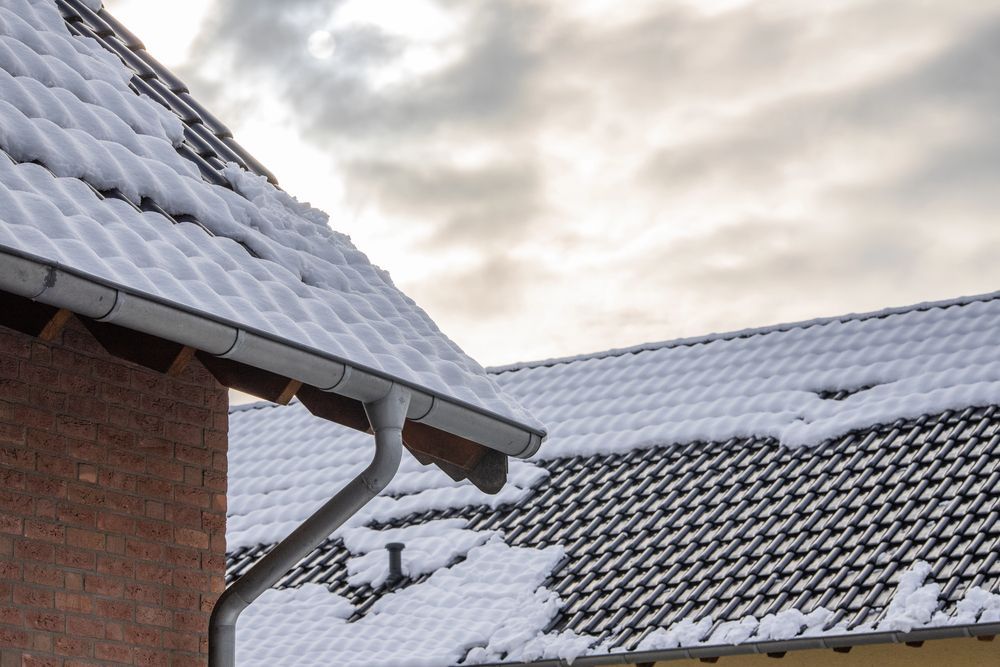
Connecticut experiences four distinct seasons that affect asphalt roofs differently throughout the year. Summer heat accelerates shingle aging through ultraviolet exposure and surface temperature fluctuations. Autumn debris collects in valleys and gutters, trapping moisture against roofing materials longer than expected. Winter snow loads increase stress on roof decking while ice dams force water beneath shingle edges. Spring storms introduce wind driven rain that tests flashing integrity and shingle overlap effectiveness.
These seasonal cycles mean asphalt roofs here often age faster than similar roofs installed in milder regions. Homeowners sometimes compare lifespans online without considering local climate differences. Understanding regional stressors helps set realistic expectations for inspection schedules and replacement planning.
Installation Quality Plays a Major Role in Replacement Timing
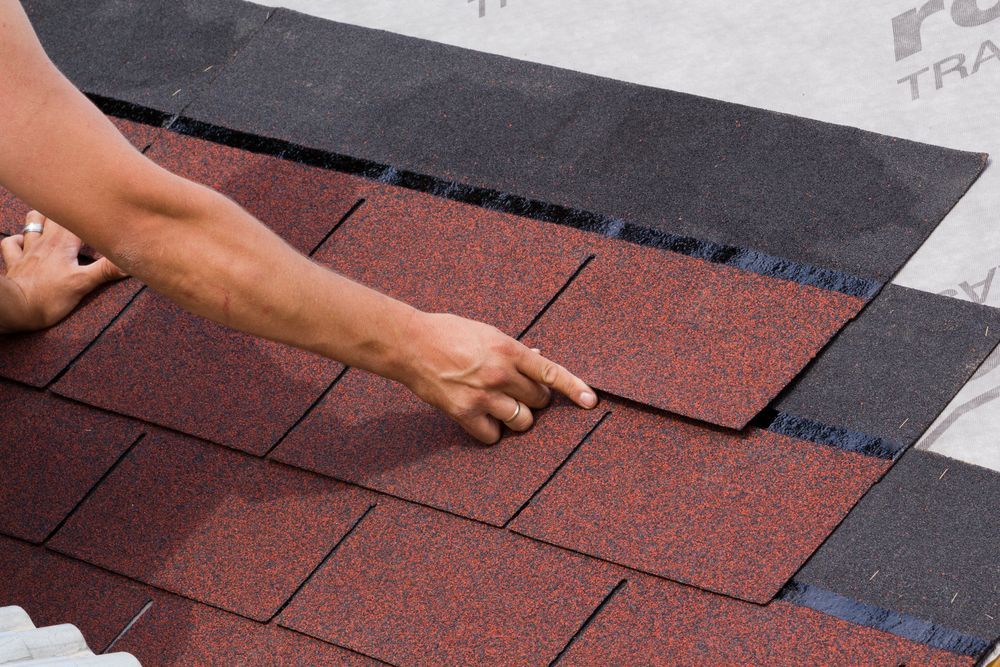
Even premium asphalt shingles underperform when installation shortcuts occur during original construction or replacement projects. Improper nailing patterns reduce wind resistance and accelerate shingle slippage during storms. Inadequate underlayment coverage increases vulnerability to ice dam infiltration during winter months. Poor attic ventilation traps heat and moisture, shortening shingle lifespan from beneath.
A properly installed roof distributes environmental stress evenly across materials, slowing deterioration. Experienced installers follow manufacturer guidelines precisely because small details compound over time. Connecticut homeowners often discover installation flaws only after recurring leaks appear years later. Early inspections can identify workmanship issues before replacement becomes unavoidable.
How Often Do Asphalt Roofs Need To Be Replaced in Real Life
Many homeowners ask directly how often do asphalt roofs need to be replaced in practical terms. For most Connecticut homes, replacement occurs between eighteen and twenty-five years after installation. Roofs nearing that range benefit from annual inspections to assess remaining serviceable life. Some architectural shingle roofs exceed thirty years when maintained well and installed correctly. Others require replacement earlier due to storm damage, ventilation problems, or repeated repairs.
Replacement timing should reflect condition rather than age alone. A twenty year old roof performing reliably may remain serviceable for several more seasons. A fifteen year old roof with widespread damage often costs more to maintain than replace. Honest assessments help homeowners make financially responsible decisions.
Visible Warning Signs That Indicate Replacement May Be Near
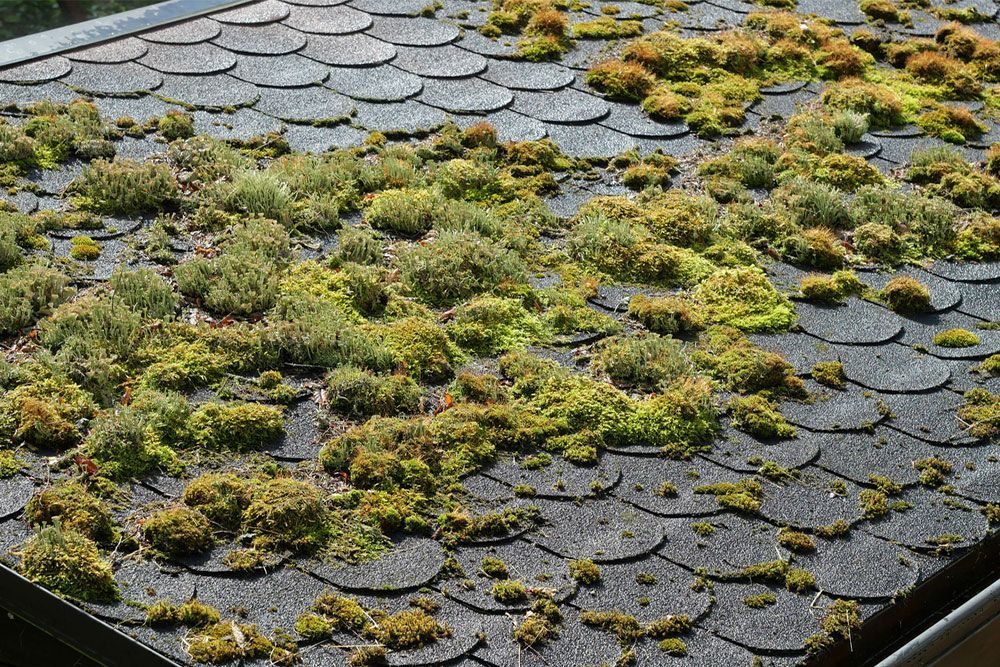
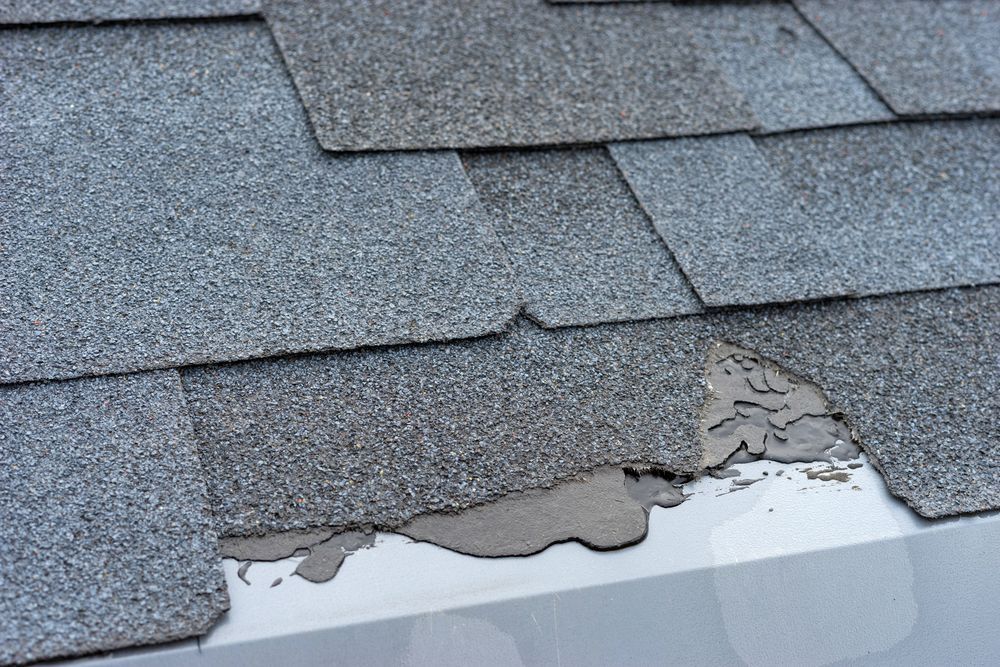
Certain visual indicators suggest asphalt roofing materials are approaching end of life. Granule accumulation in gutters signals shingle surface deterioration reducing water shedding capability. Curling or cupping shingles indicate moisture imbalance and aging asphalt compounds. Bald patches expose underlying mat material vulnerable to rapid water infiltration.
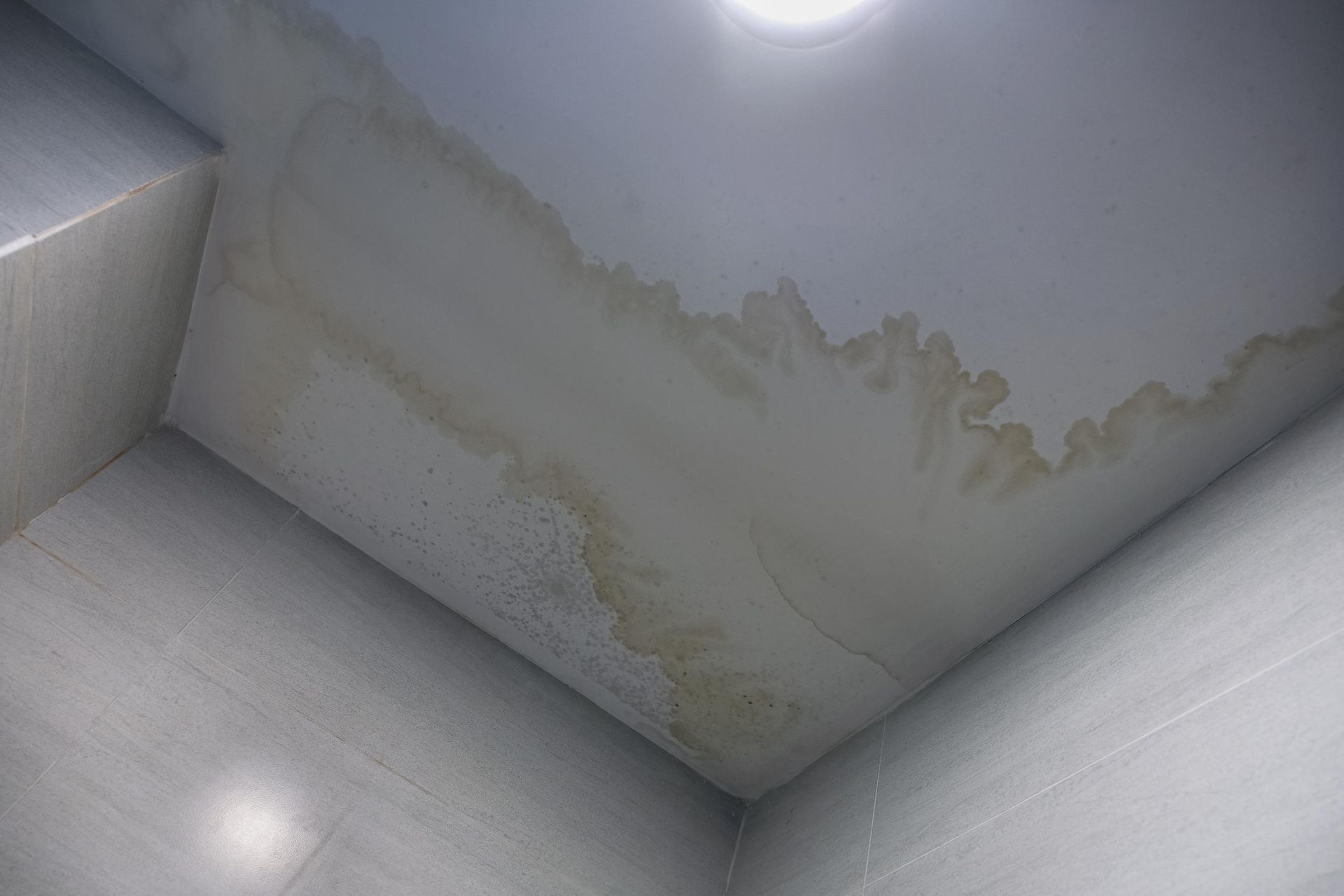
Interior signs matter equally when evaluating roof condition. Ceiling stains, attic moisture, and mold odors often trace back to roofing failures. Light penetration visible through attic decking suggests compromised materials requiring immediate evaluation. These symptoms rarely resolve through isolated repairs once widespread aging occurs.
When Repairs Stop Making Financial Sense
Roof repairs extend service life when damage remains localized and materials remain flexible. Repeated repairs across multiple areas often indicate systemic aging rather than isolated failure. Homeowners spending annually on patchwork repairs eventually exceed replacement costs. Temporary fixes may delay replacement but rarely improve long-term performance.
Evaluating repair versus replacement involves assessing cumulative costs, future risk, and interior damage potential. A professional inspection helps determine when continued repairs become inefficient. Strategic replacement often reduces stress by eliminating recurring leaks and unpredictable expenses.
The Role of Annual Inspections in Roof Longevity
Regular inspections help identify early warning signs before damage escalates. Professional roofers spot subtle issues homeowners often overlook from ground level. Minor flashing adjustments or sealant repairs can extend roof life when performed promptly. Inspections also document roof conditions for insurance or future sale considerations.
Connecticut homeowners benefit from inspections after major storms or harsh winters. Snow accumulation and ice movement often loosen shingles without immediate interior symptoms. Annual evaluations help homeowners plan replacement timelines responsibly instead of reacting during emergencies.
Material Choices Influence Replacement Frequency
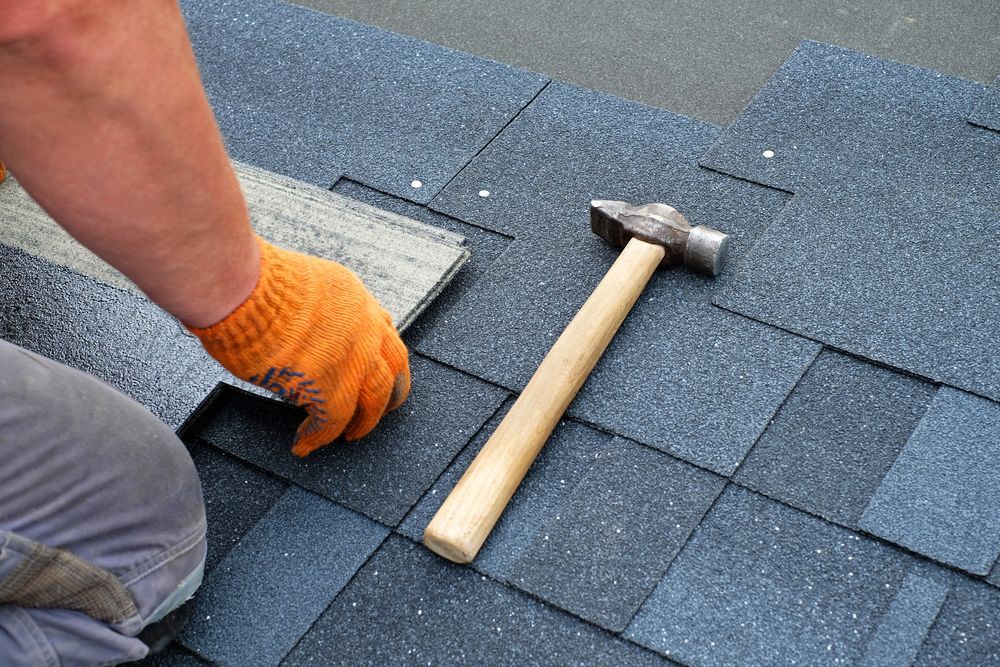
Not all asphalt shingles perform equally over time. Three tab shingles cost less initially but typically require replacement sooner. Architectural shingles offer thicker profiles, enhanced wind resistance, and longer service expectations. Impact resistant shingles withstand hail and debris better but still follow similar aging patterns.
Choosing appropriate materials during replacement affects how often future replacement becomes necessary. Climate appropriate selections combined with proper installation reduce premature aging. Homeowners planning long term occupancy often benefit from higher grade asphalt options.
How Ventilation and Insulation Affect Roof Aging
Attic ventilation influences asphalt roof longevity more than many homeowners realize. Poor airflow traps heat that accelerates shingle deterioration from beneath. Excess moisture condenses on decking, weakening fasteners and underlayment layers. Balanced intake and exhaust ventilation regulate temperature and humidity effectively.
Proper insulation complements ventilation by stabilizing attic conditions year round. Together, these systems reduce stress on roofing materials significantly. Roof replacements present opportunities to correct ventilation deficiencies discovered during inspections.
Schedule a Straightforward Roof Evaluation with Our Team
We built A1 Home Improvement by treating Connecticut homeowners like neighbors, not transactions. Our family owned team explains roof conditions clearly and recommends practical next steps. We focus on honest evaluations, skilled workmanship, and long term solutions. If questions remain about asphalt roof lifespan or replacement timing, we welcome calls, contact forms, and appointment requests.
FREQUENTLY ASKED QUESTIONS
About Painting Vinyl Siding
Share this Post