The Ultimate Roof Inspection Checklist For Homeowners
Your roof does a lot of quiet work every day, and a little attention now can save a lot of stress later. Regular roof inspections help catch small issues early, before they turn into repairs that eat your weekend or your budget. Use this checklist to spot trouble, stay ahead of leaks, and protect your home.
Inspect the Roof Surface for Shingles and Tiles
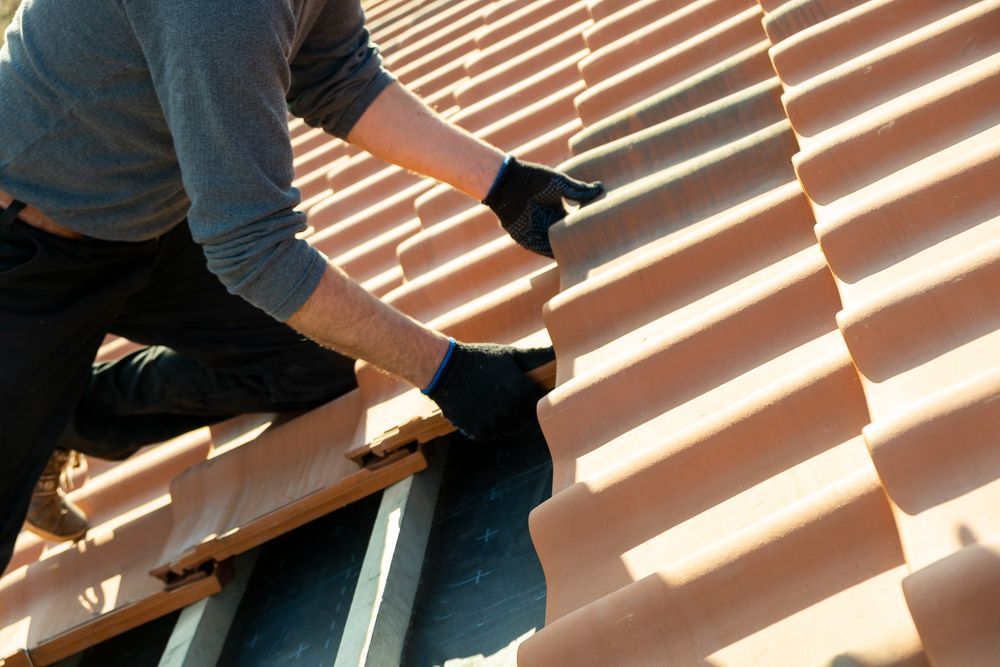
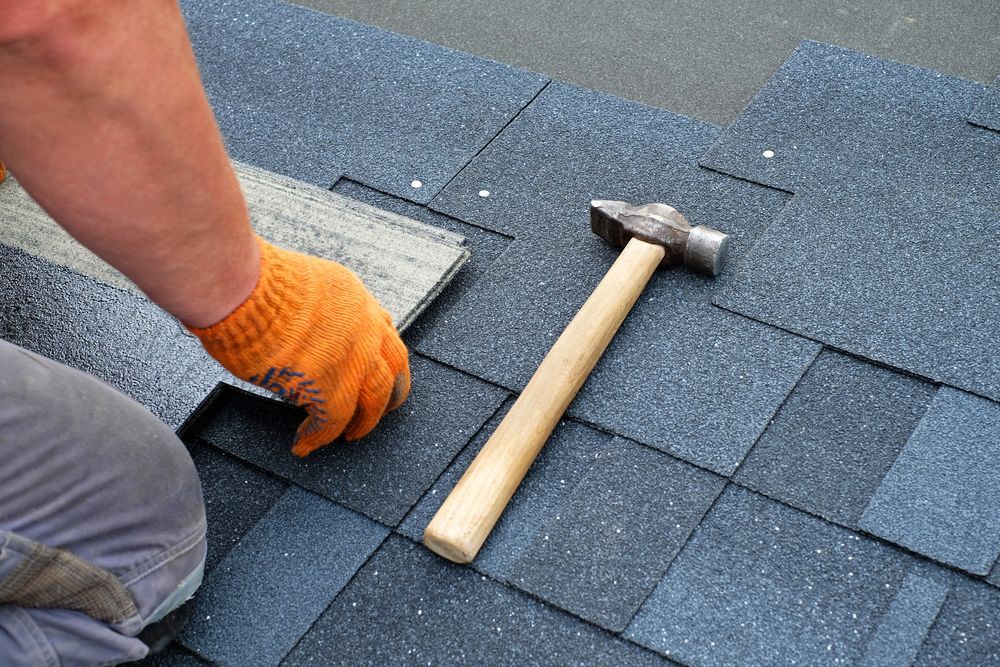
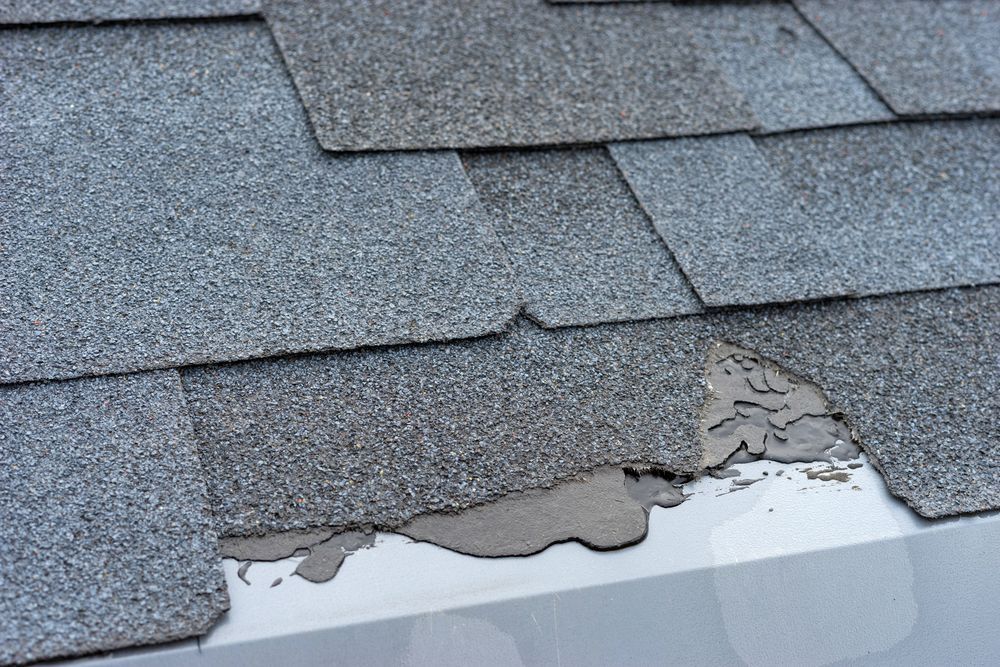
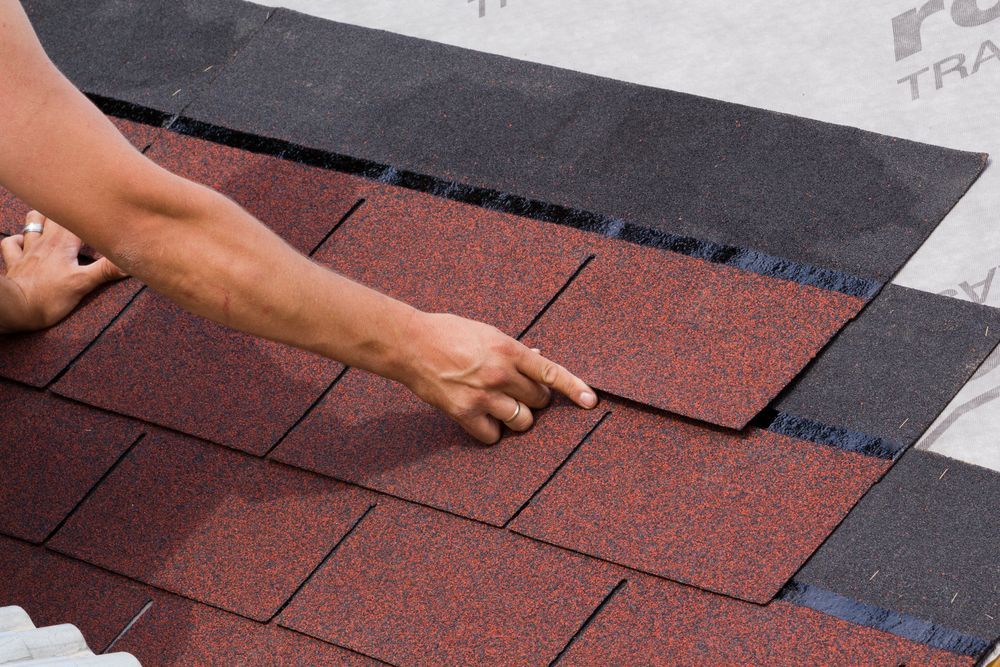
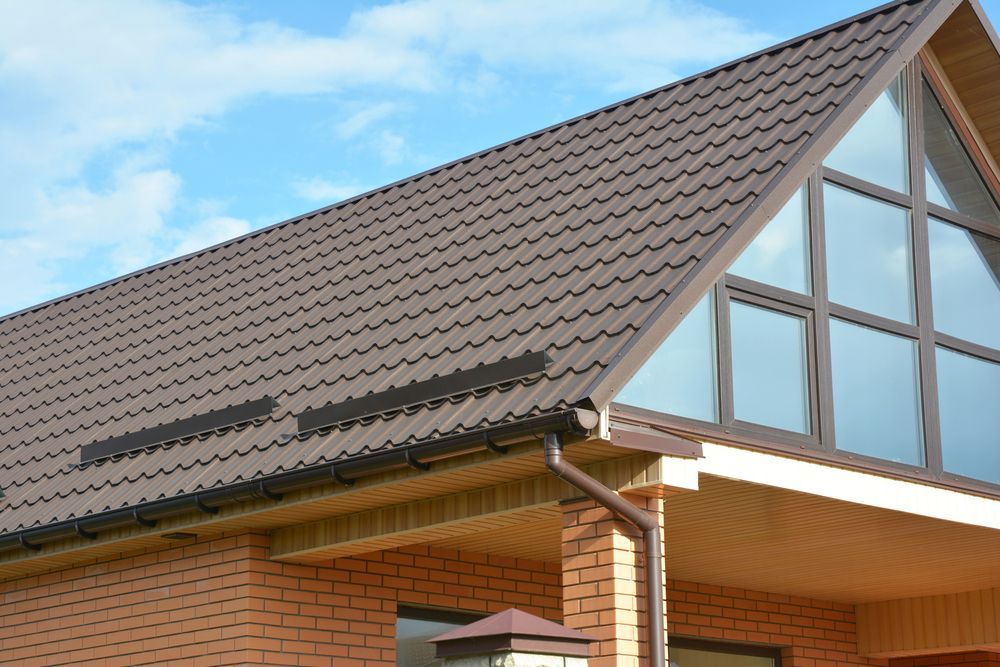
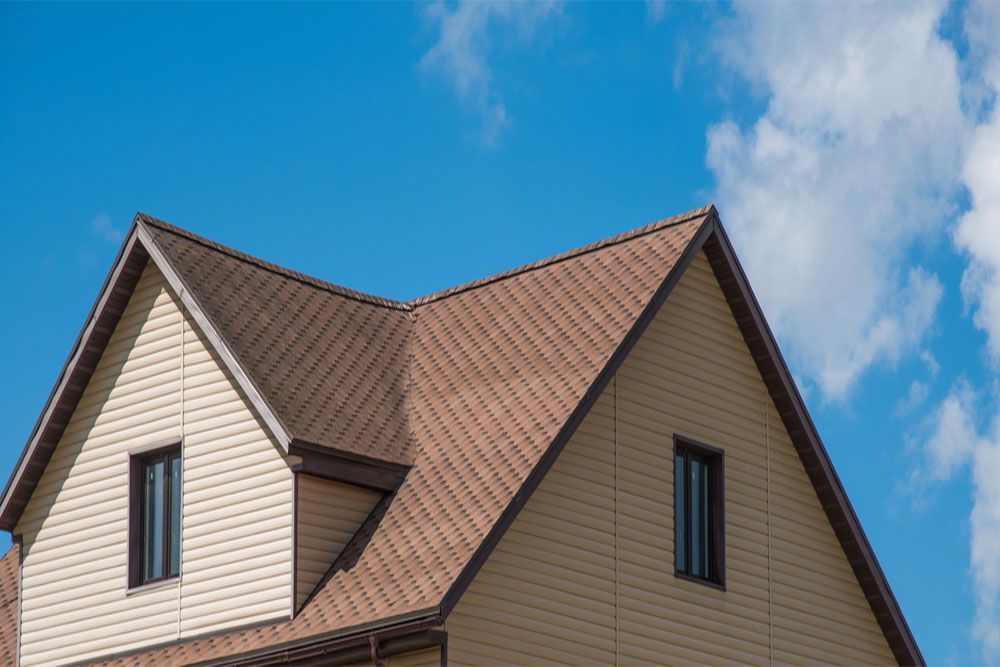
Start by scanning the roof surface for missing, cracked, curled, or lifted shingles. Those weak spots let wind and water sneak in, and once that happens, the damage usually spreads. Also check your gutters for shingle granules, because a heavy buildup can be a sign the shingles are wearing out. A thorough inspection helps you decide whether you need roof repairs or it’s time to start planning for replacement.
The overall look of the roof surface can tell you a lot about age and vulnerability. Pay extra attention to valleys, ridges, and edges, since those areas often take the most abuse. If a few shingles are compromised, replacing them early can prevent water from working its way into the decking and framing.
Check Flashing Around Chimneys and Vents
Flashing is the protective “shield” around roof joints, especially near chimneys, vents, and skylights. Look for rust, cracks, lifting, or missing sections, because flashing failures are a common source of leaks. Even if the shingles look fine, damaged flashing can let water slip behind the system and quietly cause structural issues.
During your inspection, check that the flashing is secure and sealed tightly. Small gaps can funnel rain and snowmelt into the attic, where moisture can trigger mold and mildew. Flashing may look like a minor detail, but it does major work. When it’s done right, you never think about it, and that’s the whole point.
Clean and Examine Gutters and Downspouts
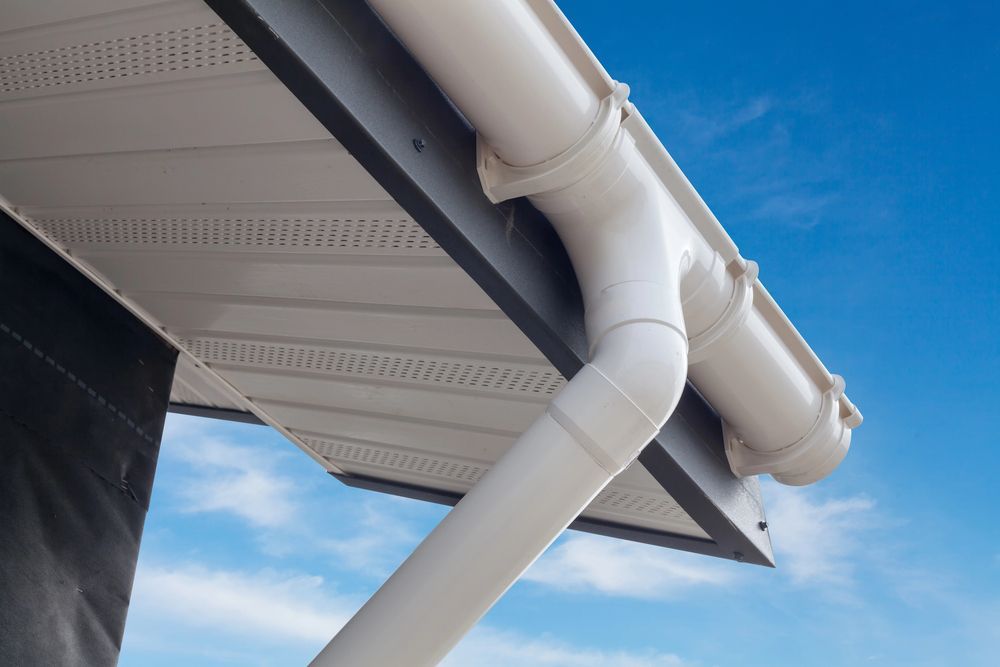
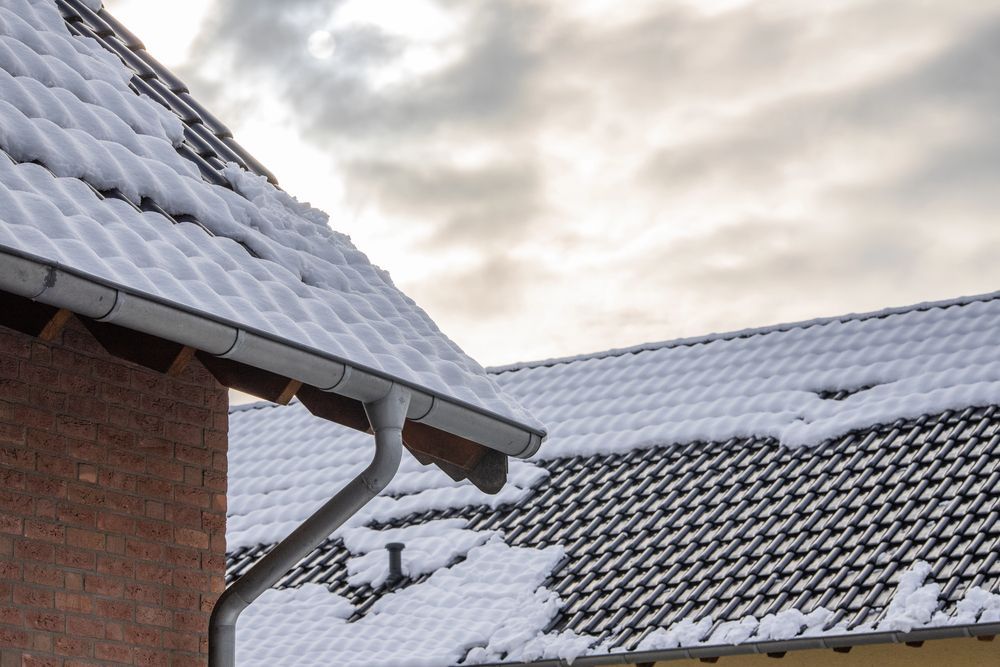
Gutters move water away from your home, and when they clog, water starts pooling where it shouldn’t. Clean out leaves, twigs, and debris so water can flow freely and exit through the downspouts. This is one of the simplest maintenance steps, and it’s one of the most important.
While you’re there, check the gutters themselves. Look for sagging sections, cracks, loose fasteners, and rust spots, since poor drainage can lead to water damage along fascia boards and siding. A solid roof inspection includes gutter performance, because roof water management does not stop at the shingle line. If the gutter system is struggling, the roof system feels it.
Inspect Roof Penetrations and Vents
Anywhere something passes through the roof is a potential leak point. Check penetrations for plumbing vents, electrical lines, and HVAC components, and look for cracking, splitting, or worn seals.. If you see gaps around a boot or flashing, that area deserves attention before the next heavy rain.
Ventilation matters just as much as waterproofing. Poor airflow can trap moisture in the attic and shorten the roof’s lifespan through mold, mildew, and rot. During your inspection, make sure vents are secure and free of blockages like leaves, nesting material, or debris. A roof that can breathe tends to last longer.
Look for Signs of Water Damage in the Attic
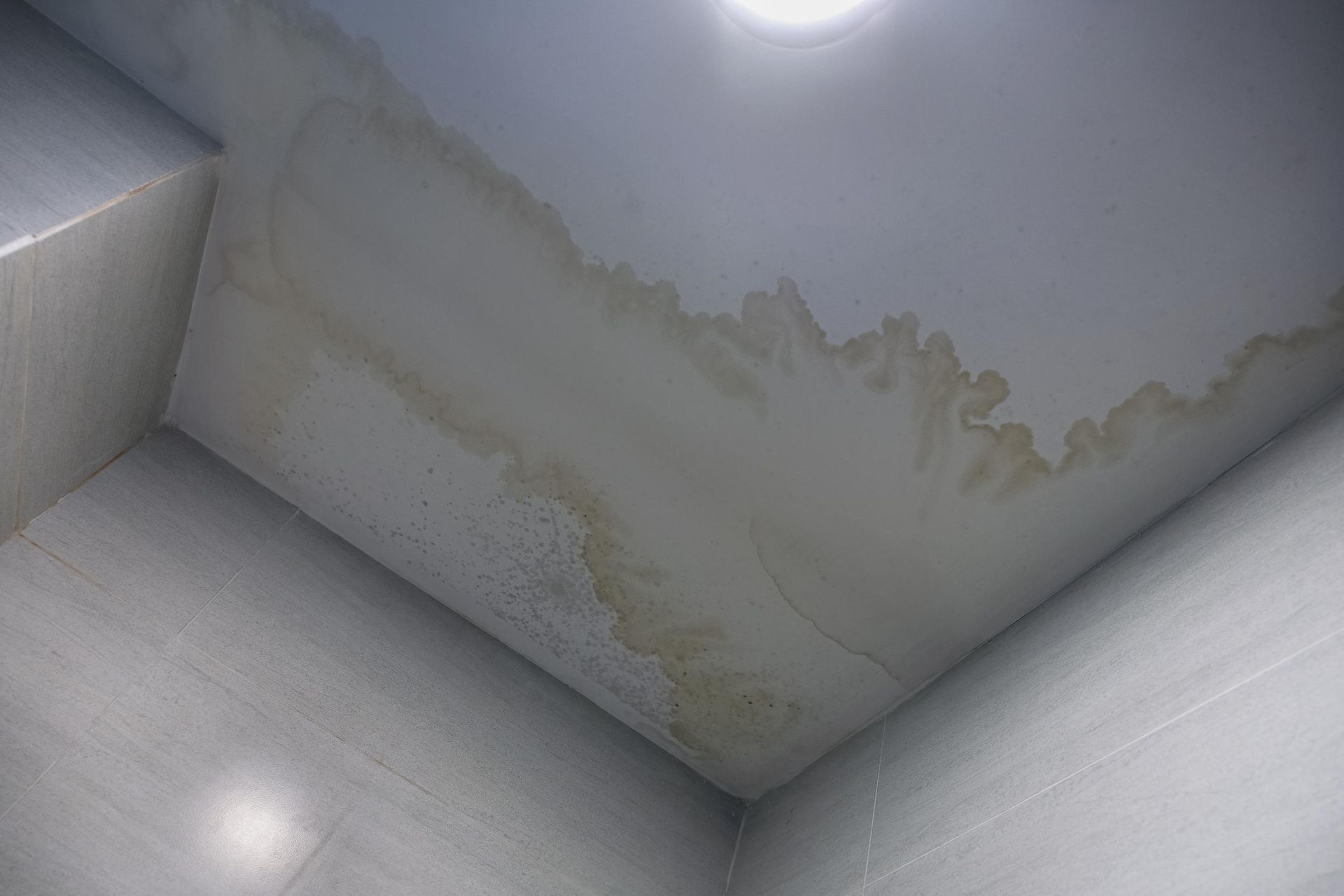
The attic is where roof problems often reveal themselves first.Check the underside of the roof deck for water stains, damp spots, mold, or dark streaks. If anything looks wet or smells musty, treat it as a real signal, not a “maybe later” issue.
Also look at insulation and general attic conditions. Poor insulation and weak ventilation can make attic moisture worse, especially in warmer months when condensation builds. Catching these issues early can prevent long-term damage that’s harder and more expensive to fix. The attic doesn’t need to be perfect, but it should be dry and stable.
Check for Moss, Algae, and Debris
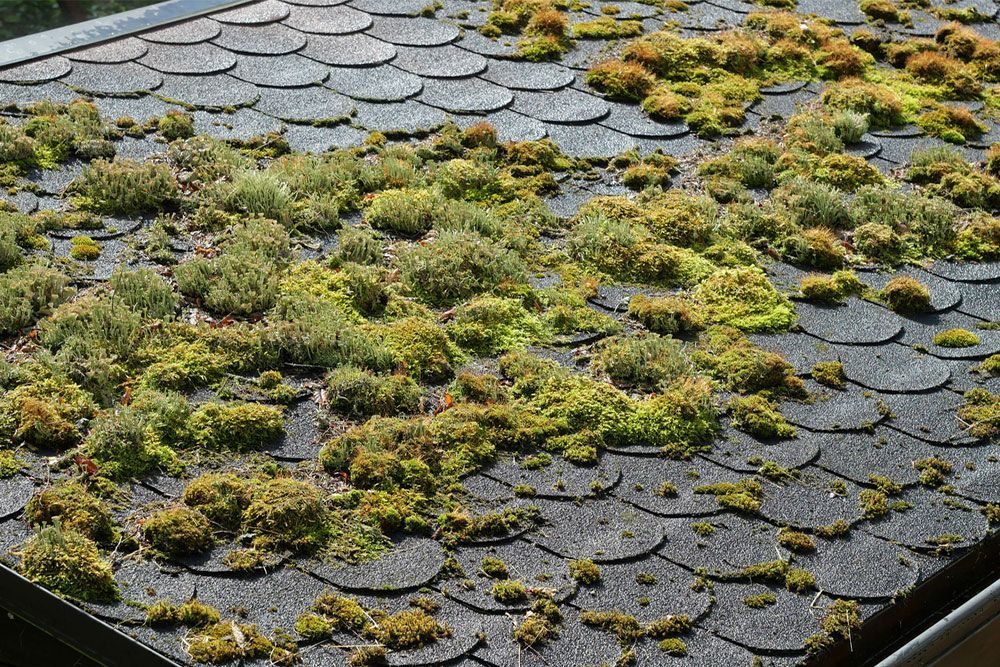
Moss and algae can look harmless, but they hold moisture against shingles and speed up wear. Check shaded roof areas where moisture tends to hang around longer, and look for green growth, dark streaks, or clumps. Also remove debris like branches and leaf piles, because they trap moisture and can scuff or damage shingles.
Organic buildup shortens shingle life and can push you toward replacement sooner than necessary. Regular maintenance during inspections helps prevent that slow, sneaky kind of damage. The goal is simple: keep water moving off the roof, not sitting on it.
Protect Your Home with Regular Roof Inspections
Regular roof inspections help maintain the integrity of your roof and reduce the chances of costly repairs. By using this checklist, you can spot early warning signs and protect your home from leaks, mold, and water damage.
If you want a professional set of eyes on it, A1 Home Improvement offers free
roof inspection services in Connecticut. Our family-owned team has been helping homeowners for over 30 years, and we are here to keep your roof in top shape.
Contact ustoday for a free roof inspection and keep your home safe from the elements.
FREQUENTLY ASKED QUESTIONS
About Painting Vinyl Siding
Share this Post