Tips For Effective Garage Roof Repair
Garage roofs often receive less attention than main roofs, yet they face the same weather exposure throughout every Connecticut season. Because garages protect vehicles, tools, and stored belongings, roof problems quickly become disruptive and expensive.
Garage roof repair focuses on identifying early warning signs, understanding material limitations, and applying repairs correctly. Homeowners who stay proactive avoid water intrusion, structural deterioration, and repeated patchwork.
With informed maintenance decisions and professional guidance, a garage roof can remain dependable, safe, and functional for many years, even under harsh New England weather conditions.
Understanding Why Garage Roofs Commonly Develop Leaks
Garage roofs experience frequent exposure to rain, snow, debris, and temperature fluctuations that gradually weaken roofing materials. Many garages use low-slope or flat roof designs, which allow water and debris to accumulate more easily.
Over time, pooled water penetrates weakened seams, cracked shingles, or deteriorated membranes beneath surface materials. Older garages may also contain outdated materials that lack modern resistance to moisture and weather stress.
Understanding these common causes helps homeowners address underlying problems instead of repeatedly treating visible symptoms.
Recognizing Early Warning Signs of Garage Roof Damage
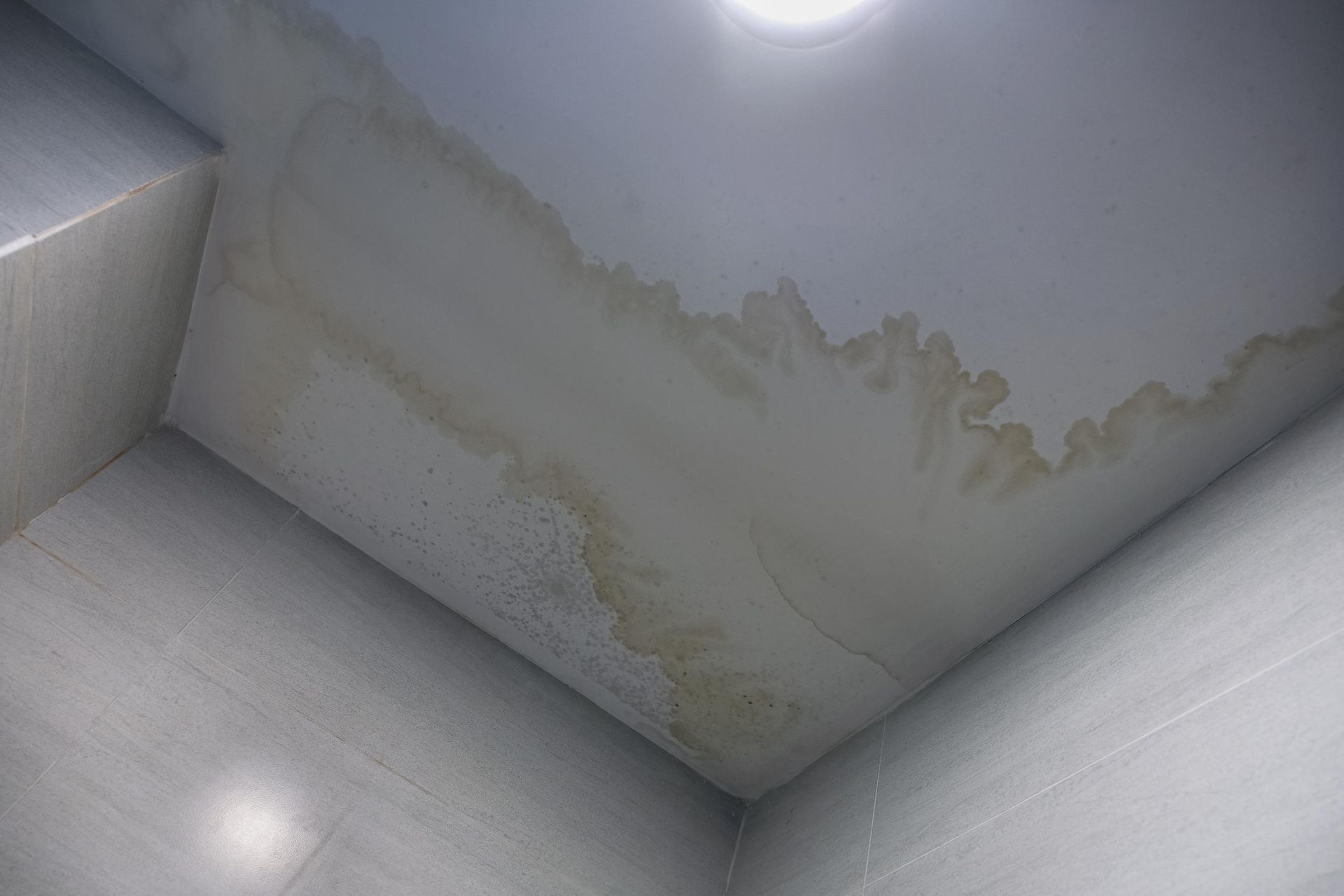
Early signs of garage roof damage often appear inside the structure before exterior issues become obvious. Stains on ceilings, peeling paint, or musty odors frequently indicate moisture intrusion from above.
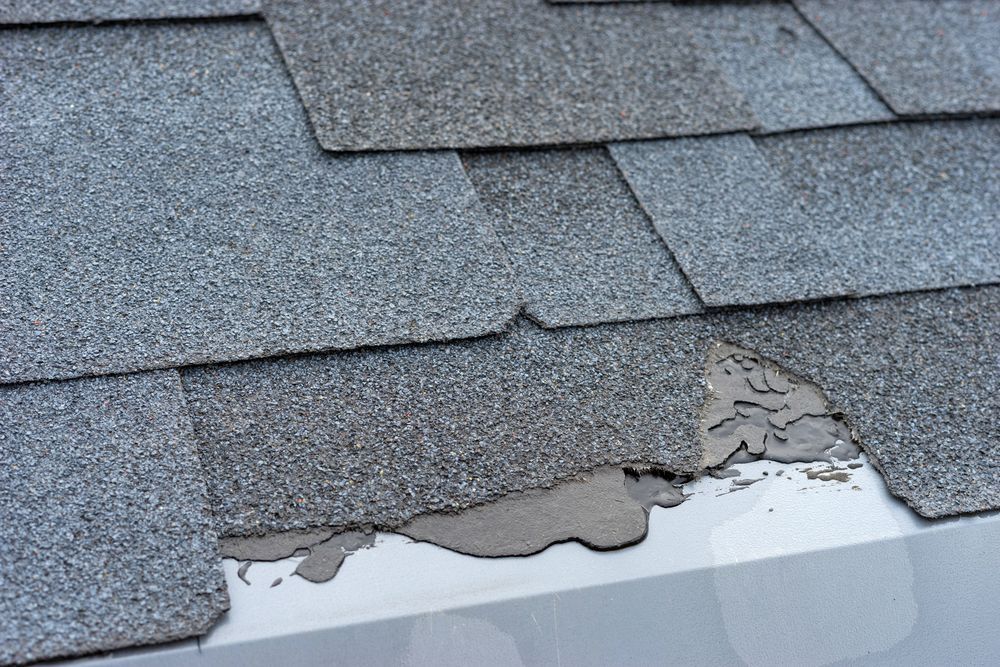
Outside, missing shingles, rusted flashing, sagging rooflines, or clogged gutters signal developing problems. Water rarely enters directly above visible leaks, since it travels along beams and decking.
Observing both interior and exterior conditions allows homeowners to identify damage accurately and respond before structural deterioration worsens.
Performing a Careful Visual Inspection Before Repairs
A careful inspection lays the foundation for successful garage roof repair and prevents overlooking hidden damage.
Checking the garage during rainfall often reveals active leaks, drips, or damp surfaces. Exterior inspections should focus on shingles, flashing, seams, gutters, and roof edges for visible deterioration.
Flat roofs require special attention around drains, seams, and areas where water tends to pool. When uncertainty exists, scheduling a professional roof inspection offers clarity before repairs begin.
Selecting the Appropriate Repair Method for Roofing Materials
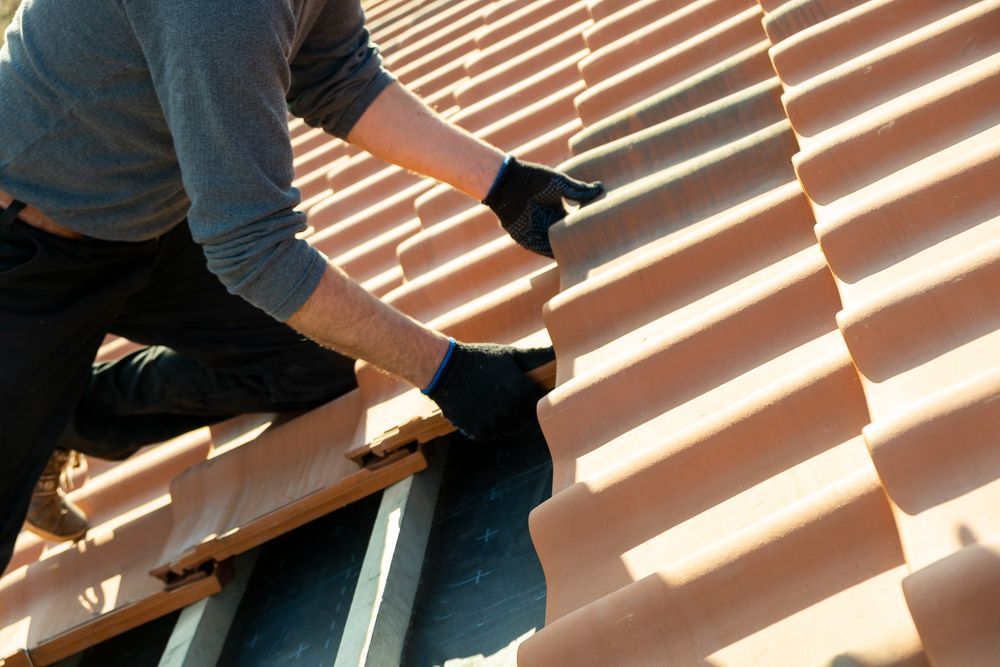
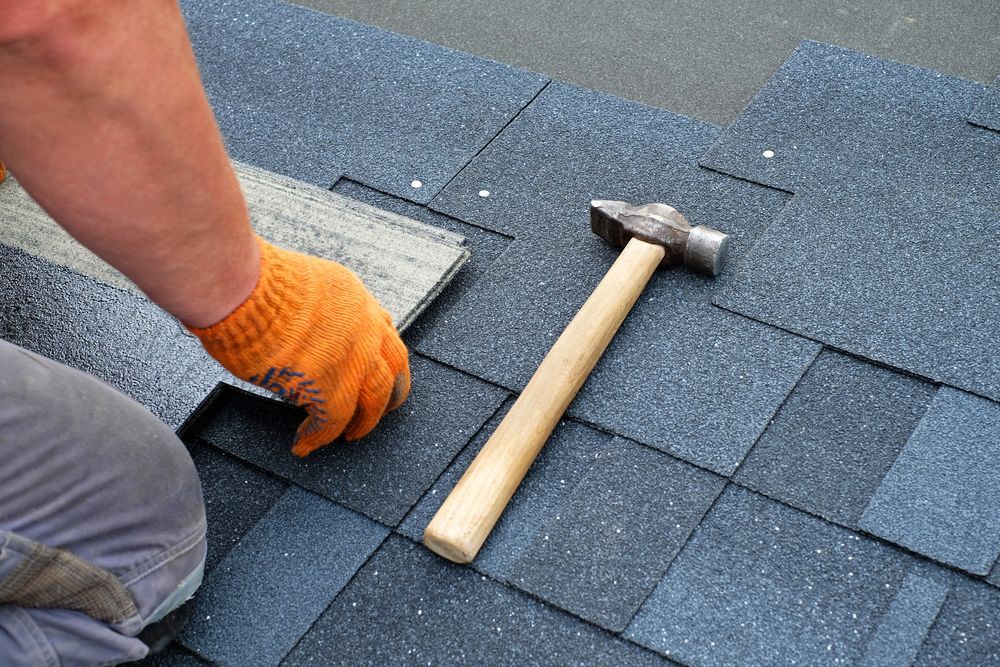
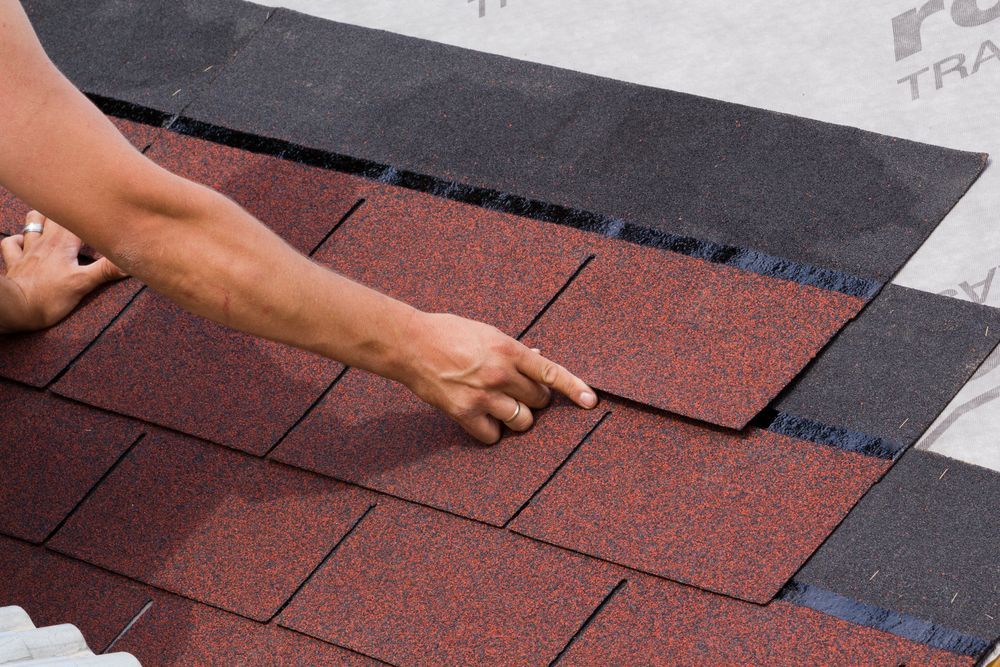
Effective garage roof repair depends on selecting methods that align precisely with the materials installed on the structure. Asphalt shingle systems require careful removal and replacement techniques to avoid loosening adjacent courses or damaging underlayment layers.
Flat membrane garage roofs often benefit from compatible patching products designed to bond without compromising surface integrity. Metal roofing materials typically demand seam resealing, fastener reinforcement, or selective panel replacement when corrosion becomes visible.
Using incompatible materials or rushed techniques frequently results in premature failure, repeated leaks, and escalating maintenance concerns. Understanding how a garage roof was built allows homeowners to pursue repair strategies that deliver durability and performance.
Preparing the Roof Surface Before Any Repair Work
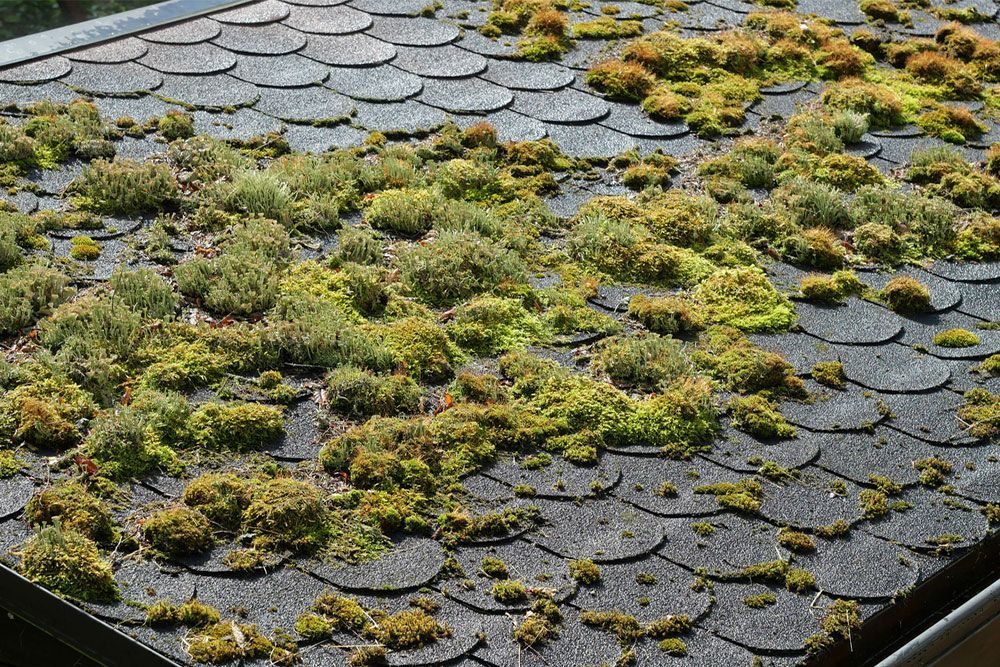
Proper surface preparation strongly influences garage roof repair outcomes by allowing materials to bond correctly and last longer. All debris, including leaves, dirt, moss, and deteriorated sealant, should be cleared before repair materials are applied properly.
Moisture remaining beneath patched areas interferes with adhesion and often leads to premature cracking or separation over time. Gentle cleaning methods help protect aging roofing surfaces while preventing additional damage during preparation activities on the roof.
Flat garage roofs should remain completely dry and unobstructed before patching begins to avoid repair failure later on.
Applying Repairs With Precision and Patience
Repair application requires steady attention to detail and respect for material curing requirements. Shingle replacements must align properly and receive adequate fastening without excessive pressure.
Sealants require even application and sufficient drying time before weather exposure. Metal roof repairs often involve sanding corrosion and sealing seams thoroughly.
Rushing repairs frequently results in trapped moisture or weak adhesion. Allowing repairs to cure correctly improves durability and prevents repeated water intrusion.
Addressing Drainage and Gutter Performance Around the Garage
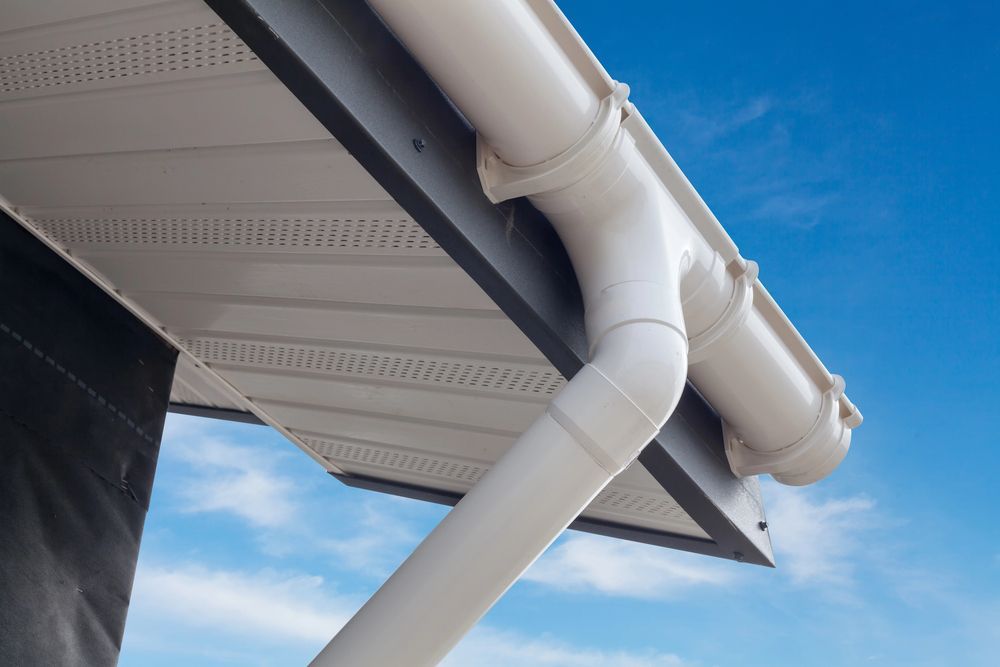
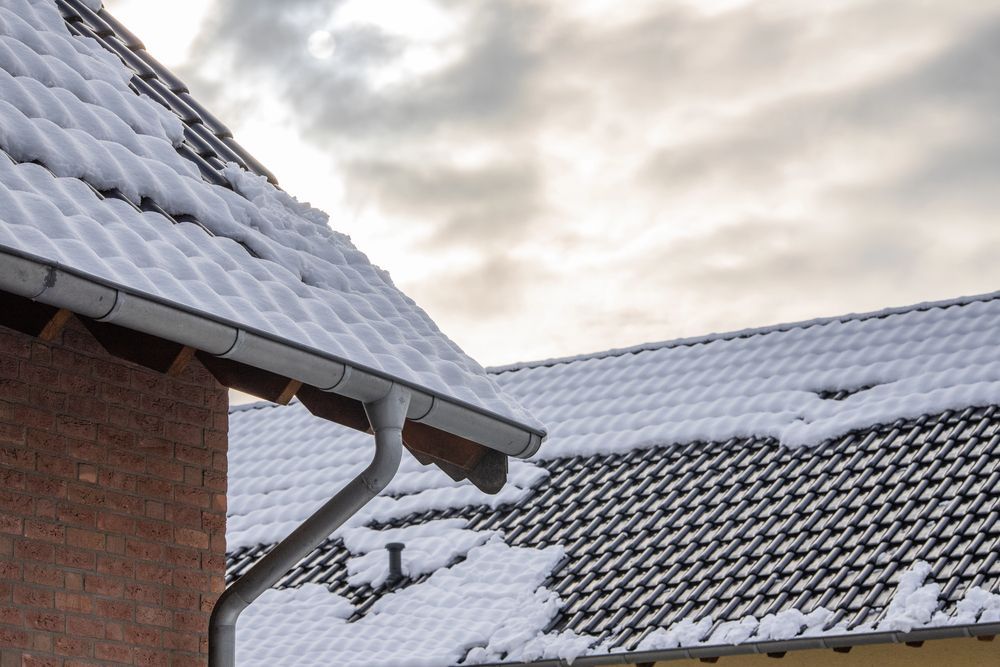
Poor drainage often contributes to garage roof failure, especially on flat or low-slope structures. Clogged gutters cause water to overflow onto roof edges and soak underlying materials. Damaged drip edges allow water to cling to surfaces instead of draining away.
Regular gutter cleaning helps direct water safely off the roof. Improving drainage performance reduces stress on roofing materials and limits moisture-related deterioration.
Reducing Future Damage Through Routine Maintenance Practices
Routine maintenance plays a key role in reducing how often garage roof repair becomes necessary over time. Seasonal debris removal limits standing water, prevents organic buildup, and reduces surface deterioration caused by prolonged moisture exposure.
Regular flashing and sealant inspections reveal cracking, separation, or drying before water intrusion begins inside the structure. After severe weather, visual checks help identify displaced materials or impact damage requiring prompt attention.
Consistent maintenance improves roof longevity, limits unexpected repair expenses, and allows homeowners to manage minor concerns predictably and confidently.
Knowing When Professional Help Becomes Necessary
Some garage roof issues exceed safe or practical homeowner repair capabilities. Widespread rot, mold growth, or structural sagging indicate deeper problems beneath the surface.
Walking on compromised decking increases injury risk and worsens damage. Improper repairs sometimes trap moisture, accelerating deterioration instead of stopping leaks.
Professional contractors assess underlying conditions and recommend appropriate solutions. In these cases, experienced roof repair services deliver safer and longer-lasting results.
Planning Ahead for Long-Term Garage Roof Performance
Garage roof repair works best when included within a long-term maintenance strategy instead of repeated emergency reactions. Inspection reports give homeowners clearer timelines for future repairs or replacement planning based on observed wear patterns.
Scheduling work during stable weather conditions improves material performance and allows contractors greater flexibility for thorough execution. Gradual maintenance investments typically reduce overall costs compared to repeated temporary fixes that fail prematurely.
Long-term planning improves roof reliability and limits unexpected damage affecting stored items or interior garage spaces. A structured approach to care helps homeowners maintain control over maintenance decisions while protecting property value consistently.
Schedule Your Garage Roof Repair Consultation Today
Here at A1 Home Improvement, we approach garage roof repair with the same care we bring to every Connecticut home. Our family-owned team evaluates damage thoroughly, explains repair options clearly, and focuses on lasting results. By combining inspections, timely repairs, and practical maintenance guidance, we help homeowners protect their garages confidently.
Call us or schedule an appointment to discuss your garage roof and plan the next steps with experienced professionals.
FREQUENTLY ASKED QUESTIONS
About Painting Vinyl Siding
Share this Post