What Is Included In A Full Roof Replacement?
A full roof replacement involves far more than installing new shingles over an aging surface. Homeowners often hear the term without fully understanding what work actually occurs. Knowing what is included removes uncertainty and helps families plan confidently.
Roofing systems protect homes structurally, financially, and emotionally through challenging Connecticut weather patterns.
This guide explains each layer, process step, and decision point involved in a full roof replacement. Clear expectations allow homeowners to evaluate recommendations thoughtfully rather than reacting under pressure during leaks or storm damage.
What a Full Roof Replacement Really Means
A full roof replacement means removing every existing roofing layer down to the structural deck. Unlike re-roofing, nothing remains hidden beneath new materials. This approach allows roofers to assess underlying conditions honestly and correct concealed problems.
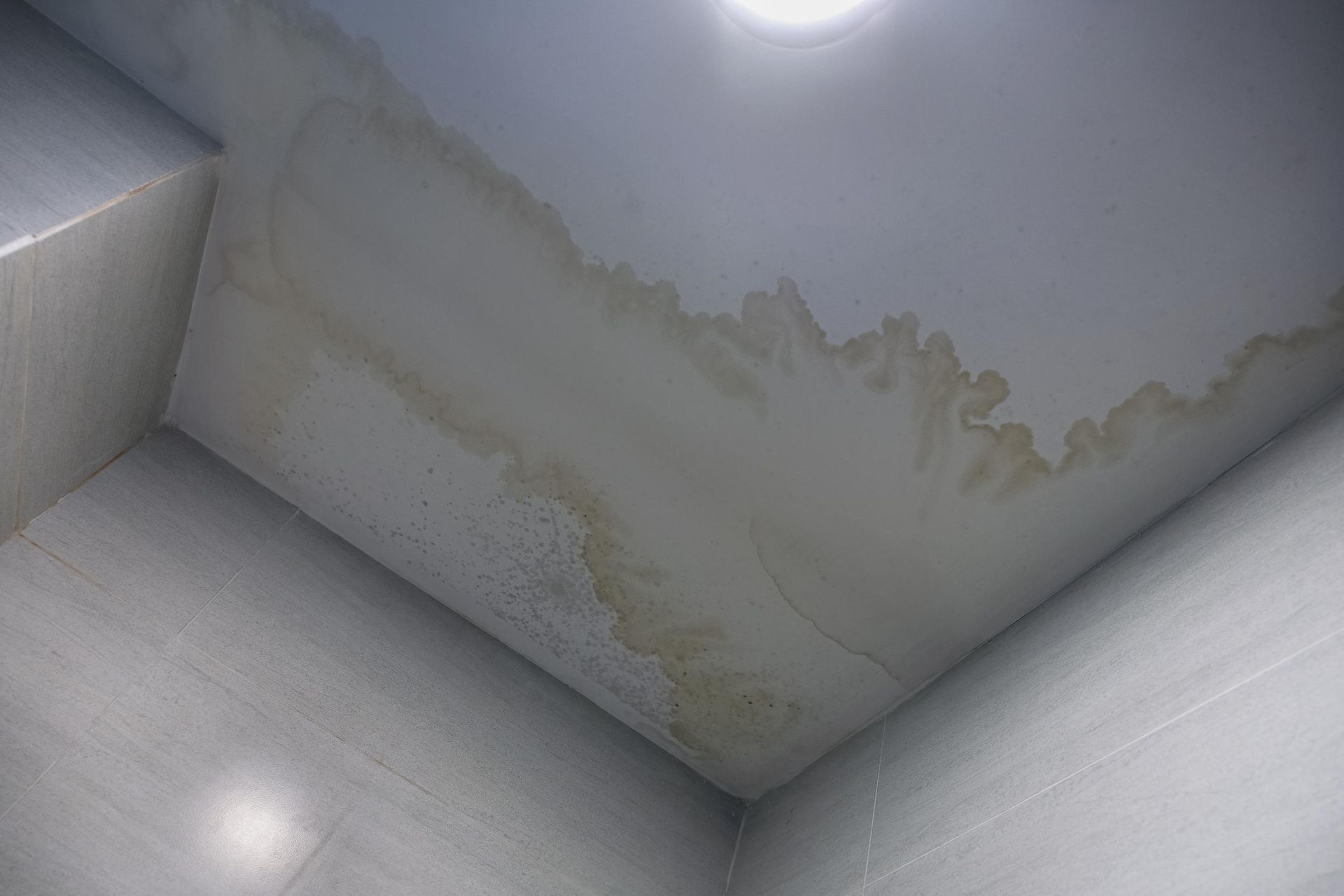
Connecticut homes benefit from this method because moisture damage often develops unnoticed over time. A complete replacement resets the roofing system instead of stacking materials with unknown conditions beneath.
This process addresses aging components comprehensively rather than masking symptoms temporarily. Homeowners gain clarity about structural health and long-term performance expectations. Full replacement decisions typically follow roof inspections revealing widespread wear or repeated repair cycles.
Shingles as the Primary Weather Barrier
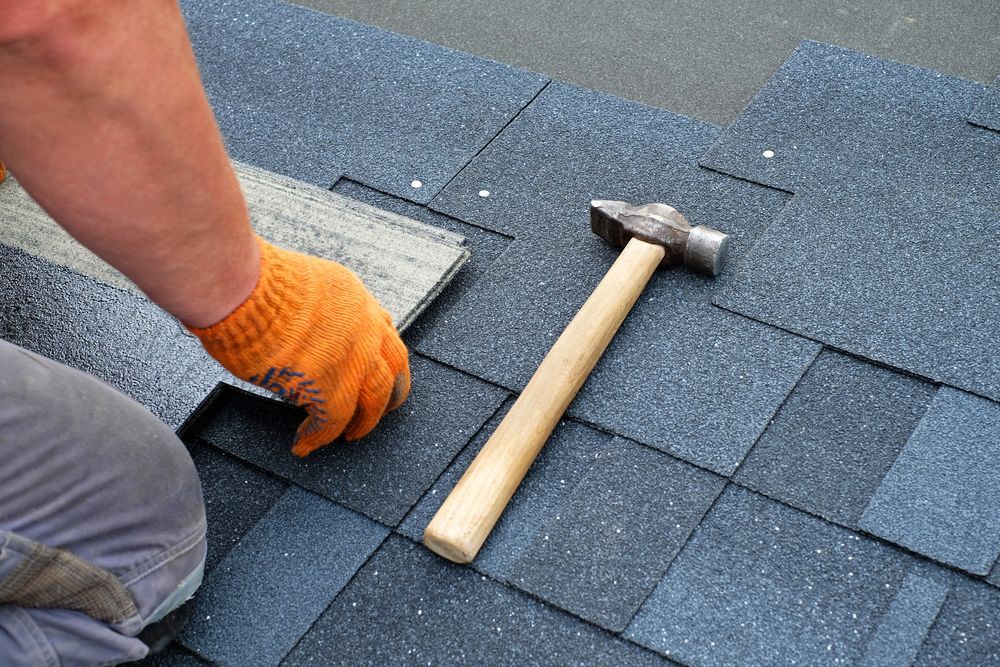
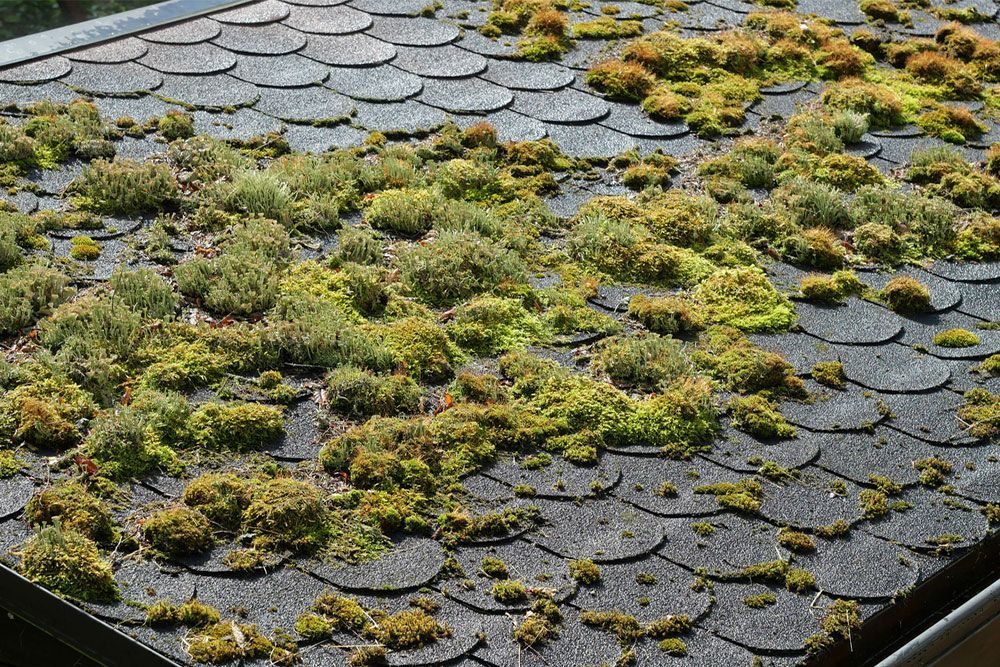
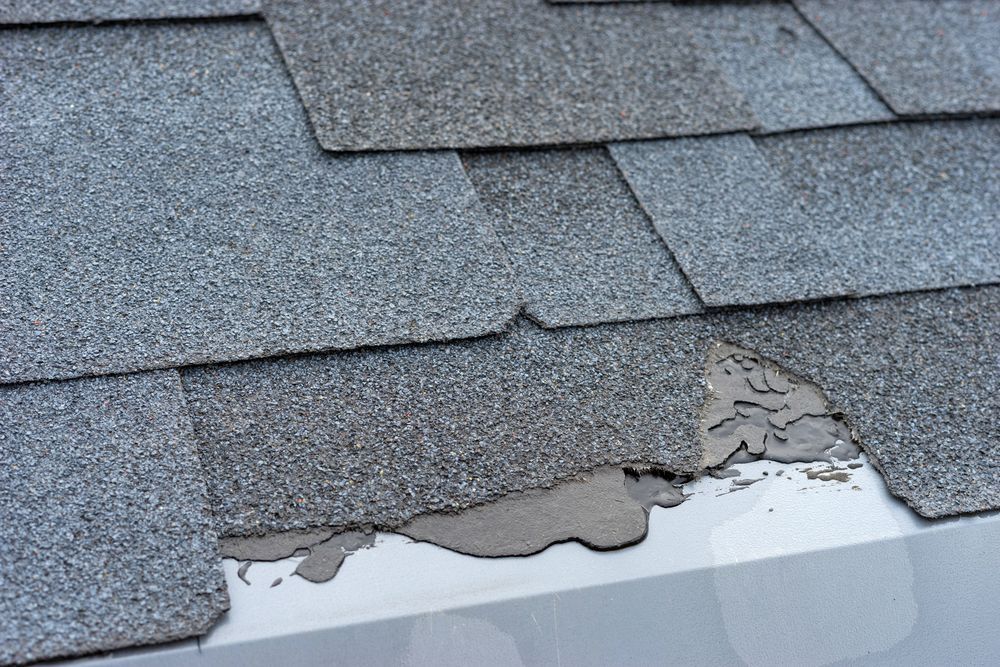
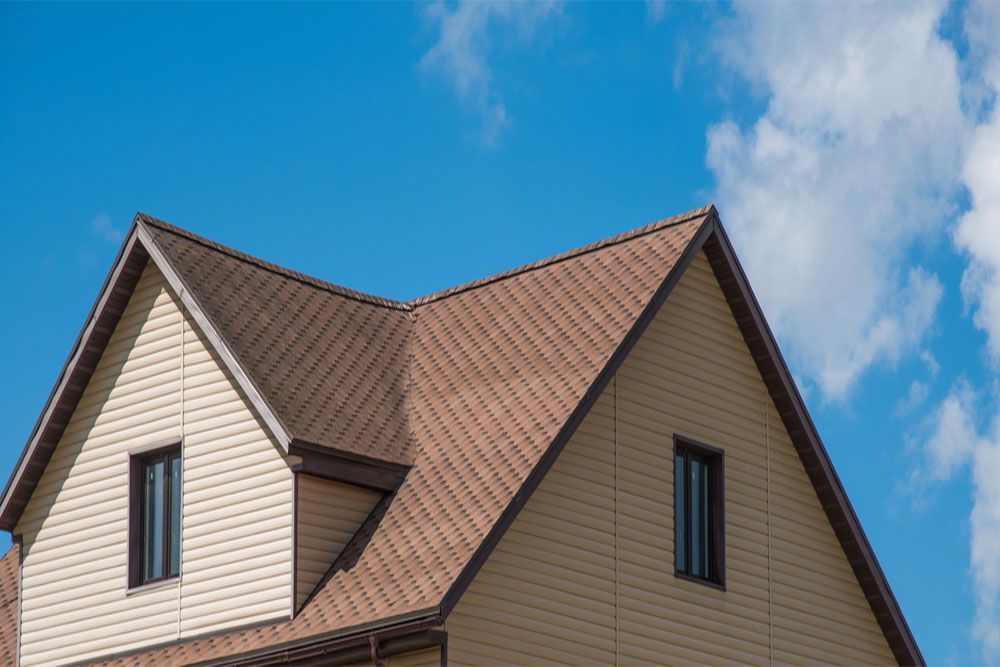
Shingles form the visible outer layer and absorb most environmental exposure. Asphalt shingles remain common across Connecticut because they balance cost, durability, and repair accessibility. During replacement, all old shingles are removed completely before new installation begins. This removal prevents trapped moisture and uneven surfaces from compromising new materials.
New shingles are installed according to manufacturer specifications to manage wind, water, and temperature fluctuations. Proper placement affects longevity and resistance during storms. Shingle selection also influences appearance and long-term maintenance planning.
Roof Decking Evaluation and Replacement
The roof deck anchors every roofing component above it. Decking usually consists of plywood or dimensional boards attached to rafters or trusses. During a full roof replacement, exposed decking receives careful inspection for rot or structural weakness. Damaged sections are removed and replaced before new materials continue.
Sound decking improves fastener grip and overall system stability. Ignoring compromised decking risks premature failure even with new shingles installed. Connecticut homes with older roofs frequently reveal hidden deck damage from long-term moisture exposure.
Underlayment as Secondary Moisture Protection
Underlayment sits directly over decking and beneath shingles. This layer acts as secondary water resistance when shingles experience wind driven rain or ice dam intrusion. Modern underlayments resist tearing and repel moisture effectively when installed correctly. Older felt materials often degrade and require replacement during full projects.
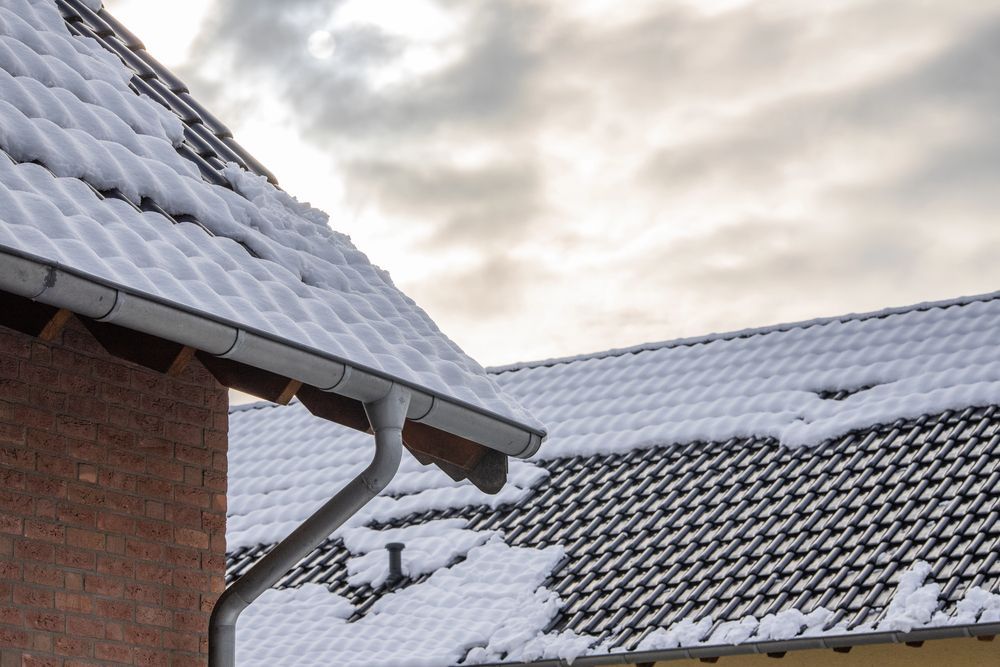
Proper underlayment installation improves roof resilience during severe weather. It also helps regulate moisture movement beneath shingles. This layer becomes especially important during Connecticut winters with snow accumulation and freeze-thaw cycles.
Flashing Around Vulnerable Roof Areas
Flashing directs water away from roof penetrations and intersections. Chimneys, skylights, vents, and wall connections depend on flashing integrity. During full roof replacement, existing flashing is removed and replaced rather than reused. New flashing integrates with underlayment and shingles for continuous water management.
Improper flashing remains one of the most common leak sources. Replacement allows installers to correct outdated methods or corroded materials. Long-term leak prevention depends heavily on precise flashing installation.
Drip Edge Along Roof Perimeters
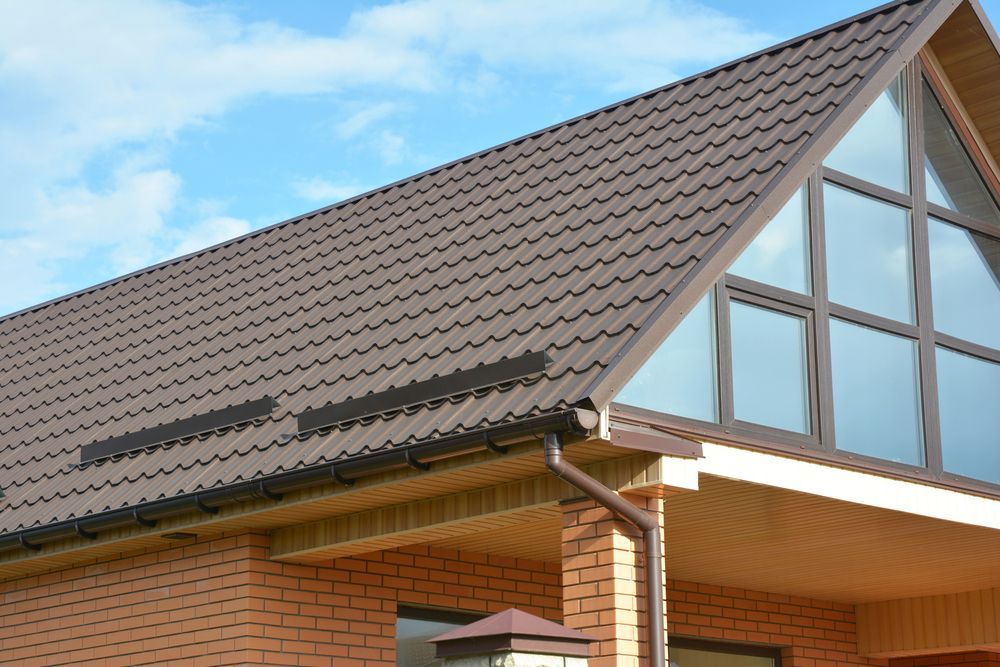
Drip edge protects roof edges by guiding water away from fascia and decking. This metal component lines eaves and gables around the roof perimeter. Older roofs often lack proper drip edge coverage or feature deteriorated metal. Replacement projects include updated drip edge installation meeting current building standards.
This detail reduces water infiltration and helps preserve fascia boards. Drip edge also improves shingle alignment and edge durability. Small components like this significantly influence overall roof lifespan.
Soffit and Fascia Assessment
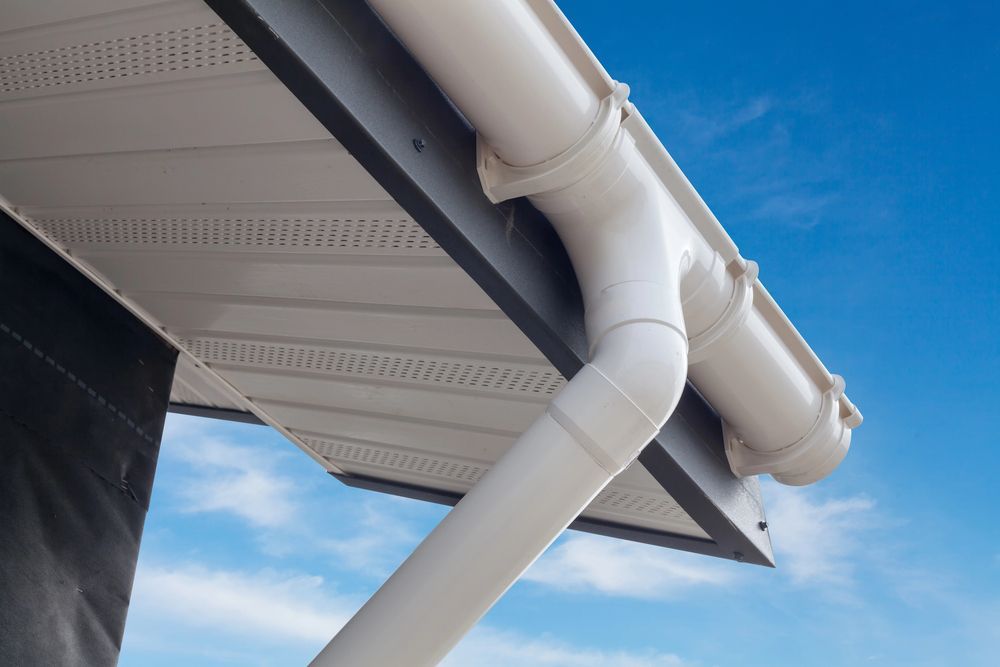
Soffit and fascia components frame roof edges and influence ventilation effectiveness. Although not always replaced automatically, they receive evaluation during full roof projects. Rotting or damaged sections often require correction before new roofing installation proceeds. Proper condition improves ventilation balance and appearance.
Ventilation intake typically occurs through soffit systems. Maintaining airflow protects attic spaces and roofing materials from moisture buildup. Addressing these elements during replacement improves system performance.
The Inspection and Planning Phase
A full roof replacement begins with a thorough inspection and consultation. Roofing professionals examine materials, attic conditions, and exterior components. Findings determine scope, materials, and timeline recommendations. Homeowners receive explanations outlining why replacement makes sense instead of continued repairs.
Clear planning reduces surprises during construction. Written estimates detail materials, labor expectations, and cleanup responsibilities. Transparent planning builds trust and confidence before work begins.
Scheduling and Material Preparation
Once plans are approved, materials are ordered and delivery scheduled. Timing depends on weather forecasts and crew availability. Connecticut roofing schedules consider seasonal patterns to reduce delays. Homeowners receive scheduling updates before work begins.
Proper preparation minimizes disruption and project length. Materials staged onsite allow crews to work efficiently. Clear communication helps families prepare for noise and temporary access limitations.
Tear Off and Site Protection
Replacement begins with removing existing shingles and roofing layers. Crews use protective coverings to shield landscaping and siding during tear off. Old materials are removed carefully to prevent debris damage. Nails and metal fragments are collected using specialized tools.
This stage exposes decking for inspection and repairs. Thorough tear off allows installers to start with a clean foundation. Responsible cleanup remains part of professional roofing practices.
Structural Repairs When Needed
Deck repairs occur immediately after tear off when issues appear. Damaged wood sections are replaced to restore strength and attachment surfaces. Structural corrections prevent future fastener failure and uneven shingle alignment. Skipping this step risks compromising new materials prematurely.
Repair decisions rely on visible conditions rather than assumptions. Homeowners appreciate understanding why certain repairs become necessary. Addressing structure now avoids repeated problems later.
Ice and Water Protection Installation
Ice and water barrier membranes protect vulnerable roof areas. These membranes prevent melting snow from backing under shingles during winter conditions. Valleys, eaves, and penetrations receive focused coverage. Connecticut climates make this step especially valuable.
Proper membrane placement reduces interior water damage risk. This layer works with underlayment to manage moisture effectively. Winter resilience depends on these protective components.
Shingle Installation Process
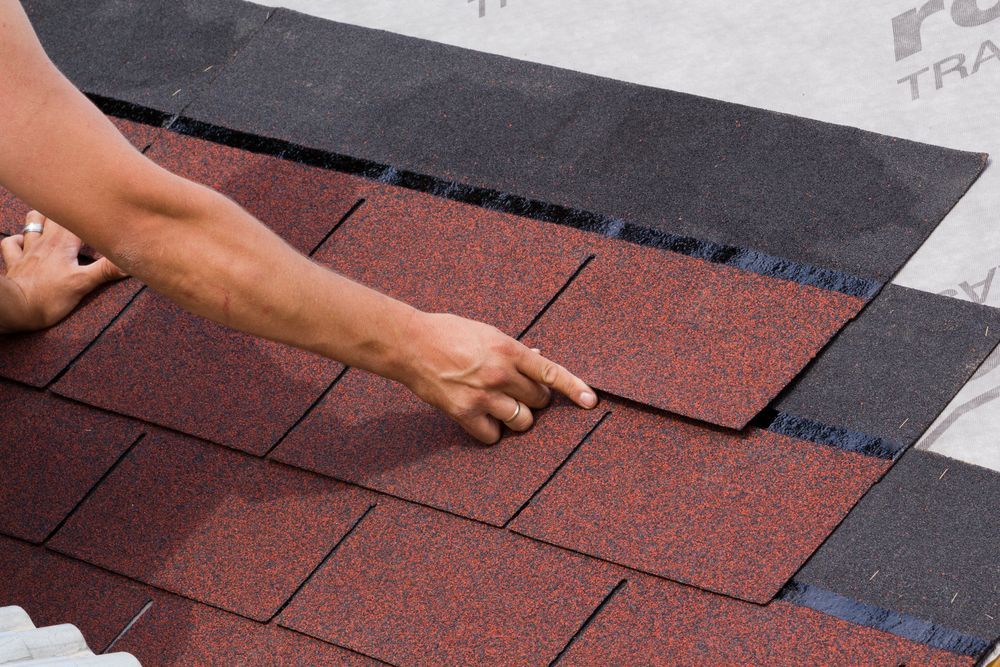
New shingles are installed starting at roof edges and working upward. Installers follow precise nailing patterns for wind resistance. Ridge caps complete the system and seal the roof peak. Vent components integrate during shingle installation stages.
Attention to detail affects appearance and durability. Proper installation prevents lifting and premature wear. Skilled crews maintain consistent alignment throughout the roof surface.
Talk with Us about Your Roof Replacement Options
We built A1 Home Improvement by helping Connecticut homeowners understand their roofs clearly and honestly. Our family works locally and explains each step without pressure. We believe full roof replacement decisions deserve clarity and respect.
If your roof shows signs discussed above, we welcome calls, contact forms, and appointment requests to talk through practical next steps together.
FREQUENTLY ASKED QUESTIONS
About Painting Vinyl Siding
Share this Post