Putting a strong roof over your head is a major investment. You want to make sure you get a good deal on roofing services without compromising quality, but which factors influence residential roofing costs
?
This guide explains the basics of roof installation costs and which components of roofing end up reflecting the total price of your project. Discover how much you can expect to pay for a new roof based on these factors.
Top Components of Roofing Costs
You need to factor in the cost of materials and labor for every roofing job. However, other things may impact how much you’ll pay for the service. Common elements that contribute to roofing prices include:
- Roof accessibility
- Existing roof penetrations
- Size of the home
- Dump fees
When you add together all of these components, the cost may be different from what you think a new roof costs. Below is a breakdown of every aspect that impacts residential roofing costs.
Types of Roofing Materials
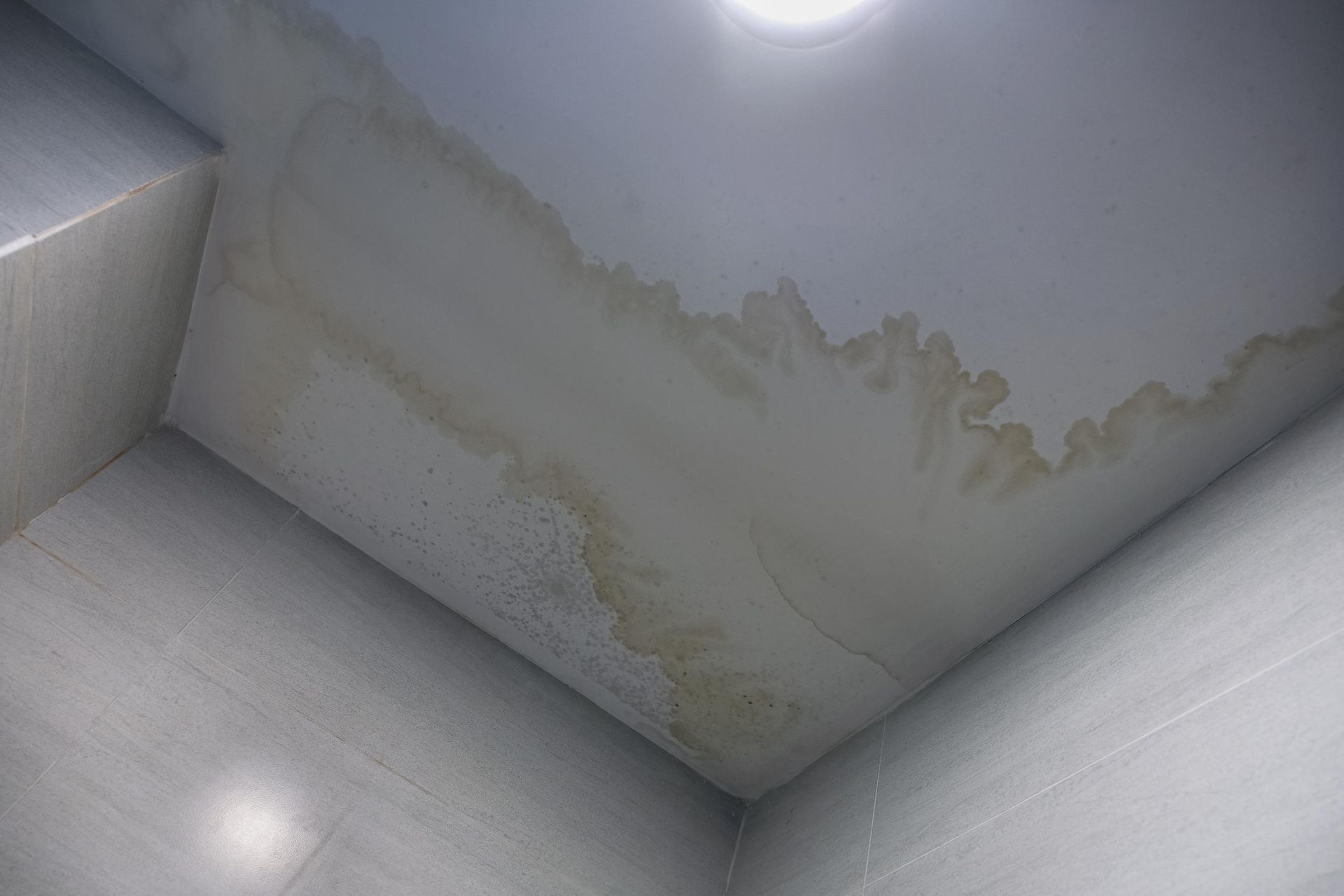
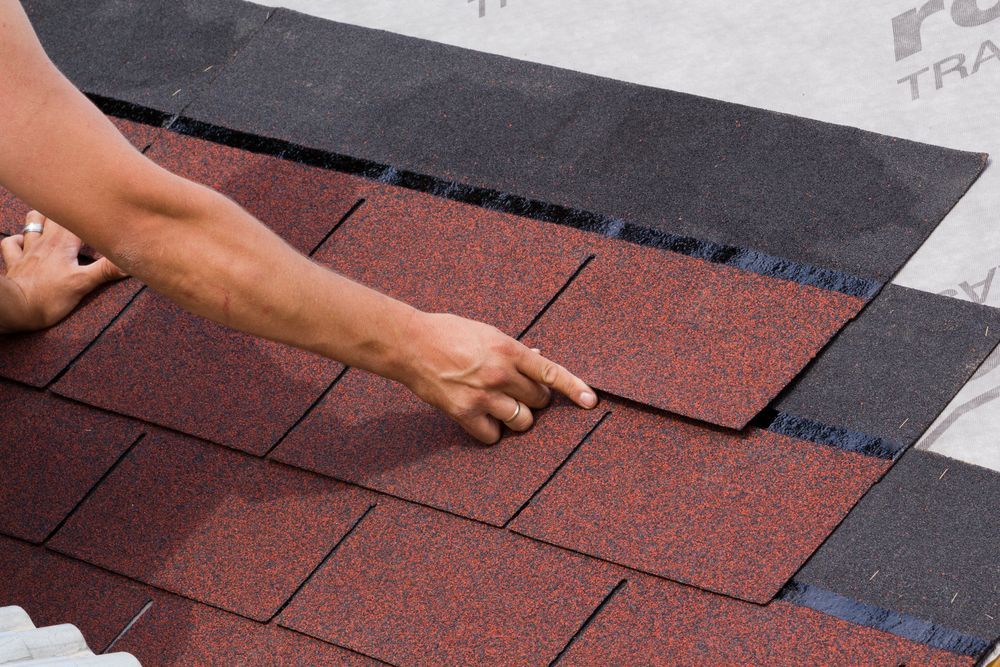
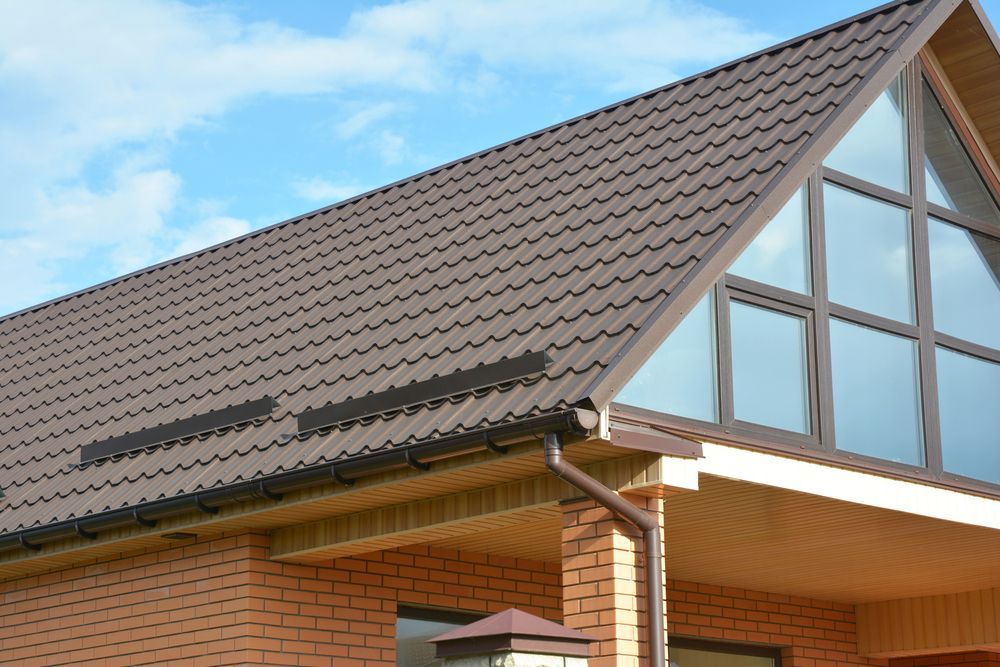
Say you built your home with asphalt shingles on the roof. These are popular roofing materials because of their cost-effectiveness and durability. However, after many instances of roof leaks and water damage, you decide to upgrade to metal roofing. As you explore different roofing material types, you’ll find that the cost of replacement varies based on your choice.
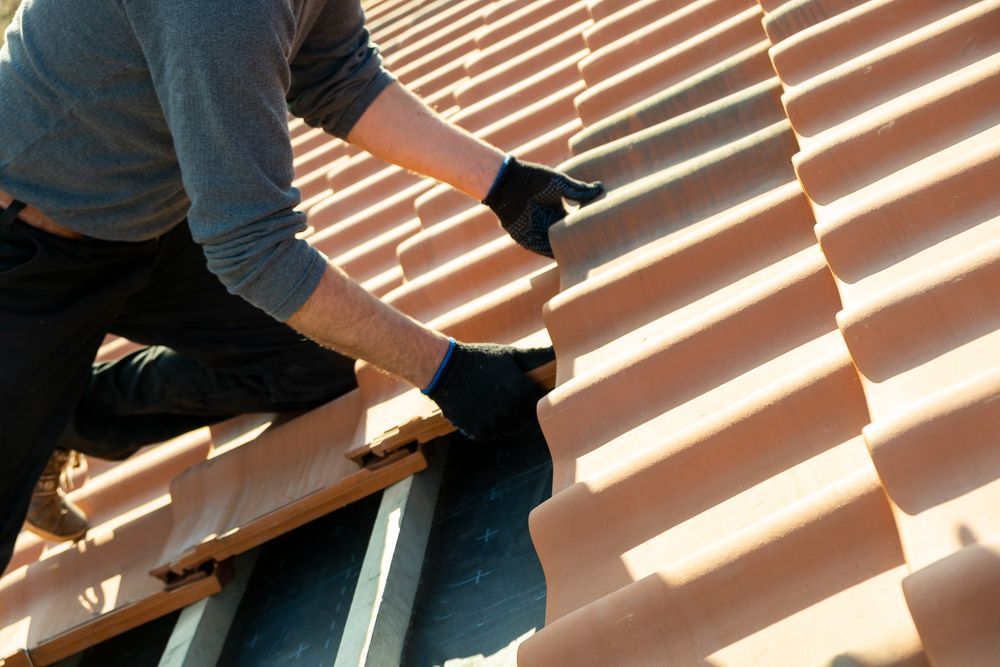
The cost of replacement will likely be more than the prior roof because of the change in materials. Asphalt shingles tend to be more budget-friendly
at around $5 a square foot. Wood shingles and metal roofing can range up to $14 a square foot, while clay tiles can cost just under $25 per square foot.
Keep in mind that the cheapest roof option may not always be the smartest long-term investment, especially if you live in an area prone to severe weather. Choosing the right roofing material will protect your home from damage.
Size of Home
Along with roofing materials, the size of your home helps determine the bulk of residential roofing costs. After all, contractors need to order enough material to cover your entire roof. People with smaller homes tend to pay less for installation compared to homeowners with double the space.
Say you’re looking to save money by installing basic asphalt shingles. According to national averages, homeowners can expect to pay between $4 and $8.50 a square foot for this material. Below are price ranges of what your roof replacement will cost
depending on the size of your roof:
- 1,000 square feet: $4,000 to $8,500
- 1,500 square feet: $6,000 to $12,750
- 2,000 square feet: $8,000 to $17,000
- 2,500 square feet: $10,000 to $21,250
These average prices reflect asphalt shingles only. Other materials may cost more, and the total residential roofing cost will also depend on a few different factors.
Labor Costs
The cost of materials based on your home’s size is only a portion of the total price tag. You still need to account for installation labor costs
that roofing contractors will charge for any home improvement project. If you’re looking to secure the best price without compromising workmanship
, experts recommend taking the following steps:
- Research local roofing companies
: Check out their insurance and licensing information, as well as Better Business Bureau ratings and reviews.
- Request quotes
: Reach out to at least three companies for project estimates and ask about available warranties.
- Ask about labor costs
: The price of labor may end up being higher among certain contractors.
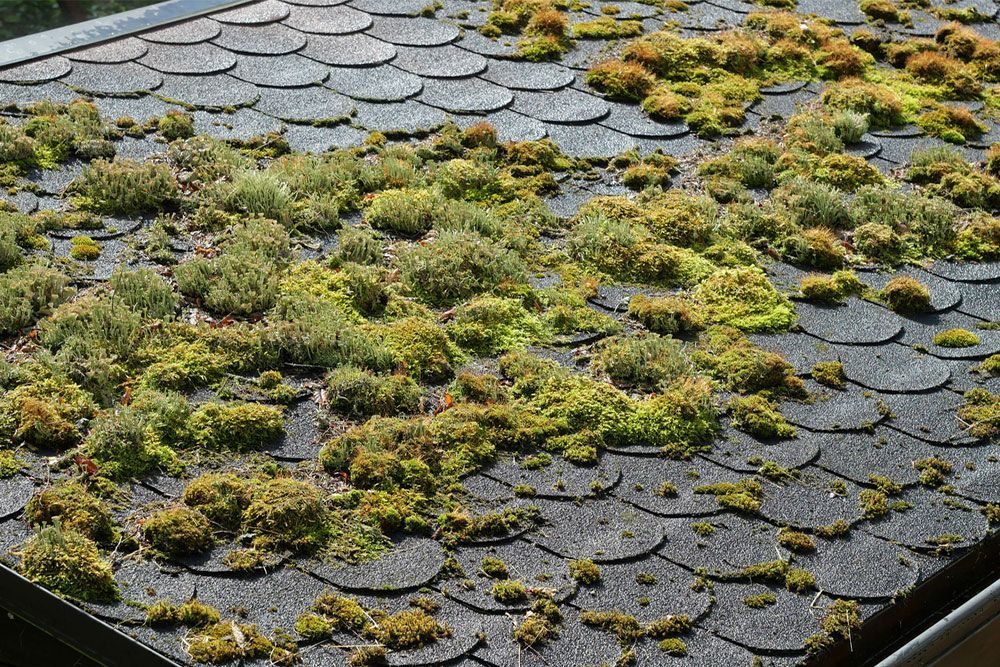
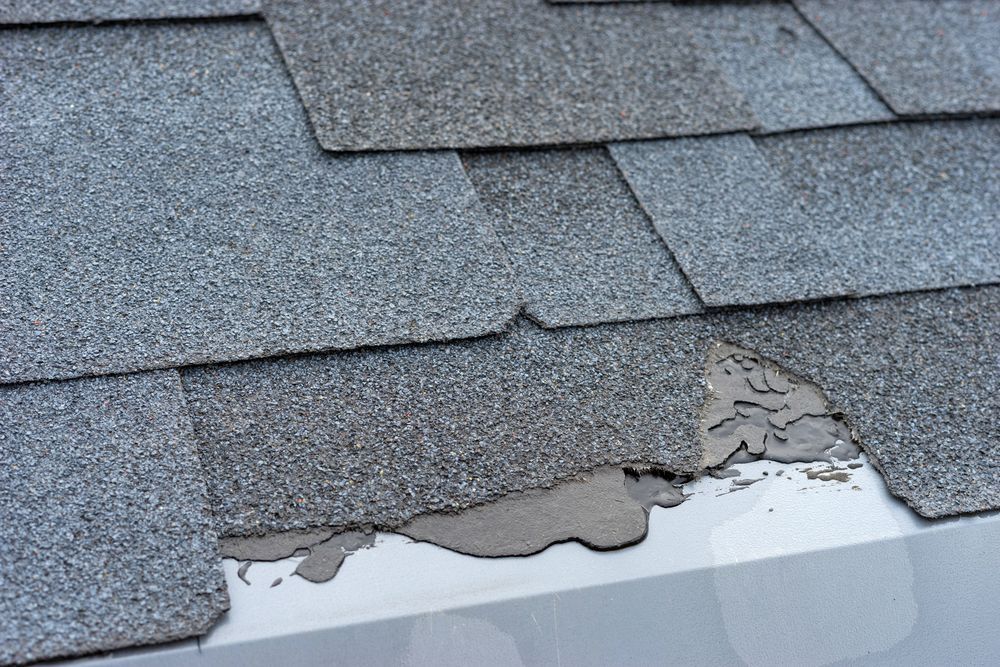
If you keep up with regular roof maintenance and inspections, the labor costs should be minimal. However, if your roof has visible signs of damage, such as gaps or leaks, experts will need to fix those roofing issues before installing new materials.
Roof Accessibility and Complexity
While the labor cost influences the cost of the total project, the roof’s accessibility and complexity play an important role in how long the installation takes. This refers to how easily contractors can get to your roof and its overall design, both of which may cause the project to run longer than usual.
Several factors may make your roof inaccessible. For instance, if large trees and shrubs are encroaching on your house, installing a new roof can take longer since contractors have to work around these obstacles. Having no pavement near the home can also impact the project since roofers need to get a dump truck on site to haul away old materials.
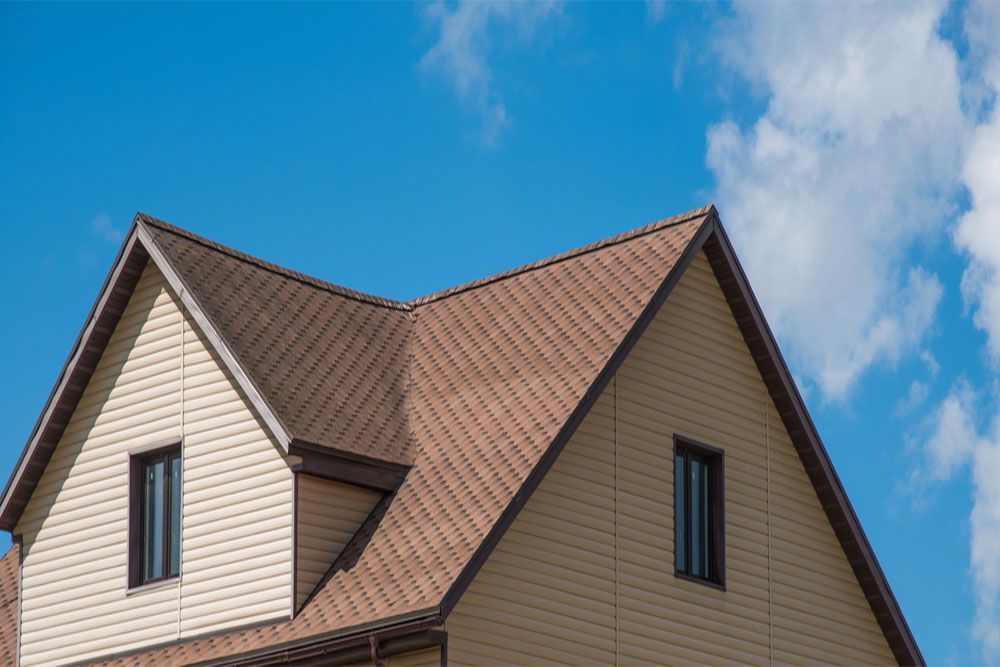
The slope of your roof may make it more complex than other projects. If you have several hips and valleys along your roof, the installation may take longer than simpler roofs.
Roof Penetrations
Do you have skylights in different parts of your home? Does your roof have multiple chimneys or gas vents? These obstacles, also known as roof penetrations, can impact residential roofing costs.
Contractors need to ensure that all these components have the appropriate flashing around them to protect the roof from water damage. Otherwise, you are more likely to need roof repairs if there isn’t a proper seal. Installing materials and flashing around these objects can prolong the project, therefore leading you to pay more for labor.
If your home only has a few small pipes or vents, this shouldn’t influence the cost too much. Check with your roofing contractor before starting the project to see how quickly they can work around these penetrations.
Long Term Roofing Cost Considerations
When selecting roofing materials, consider not just initial costs but also long-term expenses. Durable materials like metal may cost more upfront but offer savings through longer lifespans, lower maintenance costs, and energy efficiency. Evaluating these lifetime costs
is key for a cost-effective choice.
Dump Fees
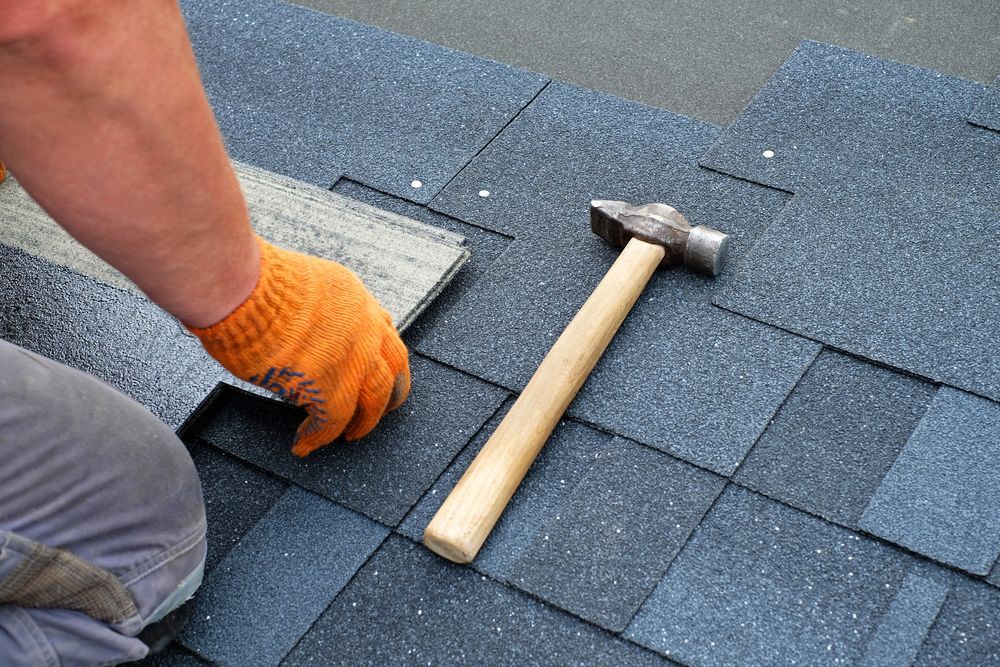
Replacing your roof requires contractors to strip the existing materials and discard them. The only way this is possible is by bringing a dump truck to your home so they can dispose of the old material. Once the tear-off process is complete, roofers will take the material to a local dump.
These sites often charge a fee for contractors to dump old roofing materials. The homeowner will be responsible for this fee, and contractors should include it in the roofing estimate.
Schedule Affordable Roofing Services Through A1 Home Improvement
Between everything that influences residential roofing costs, it can be hard to find a roofing company with services that won’t break the bank. A1 Home Improvement, a trusted roofing contractor serving Central and Southern Connecticut, offers superior services that are budget-friendly. Contact us today at (860) 809-4381 to request a quote or schedule service.