8 Steps To Repairing A Flat Roof
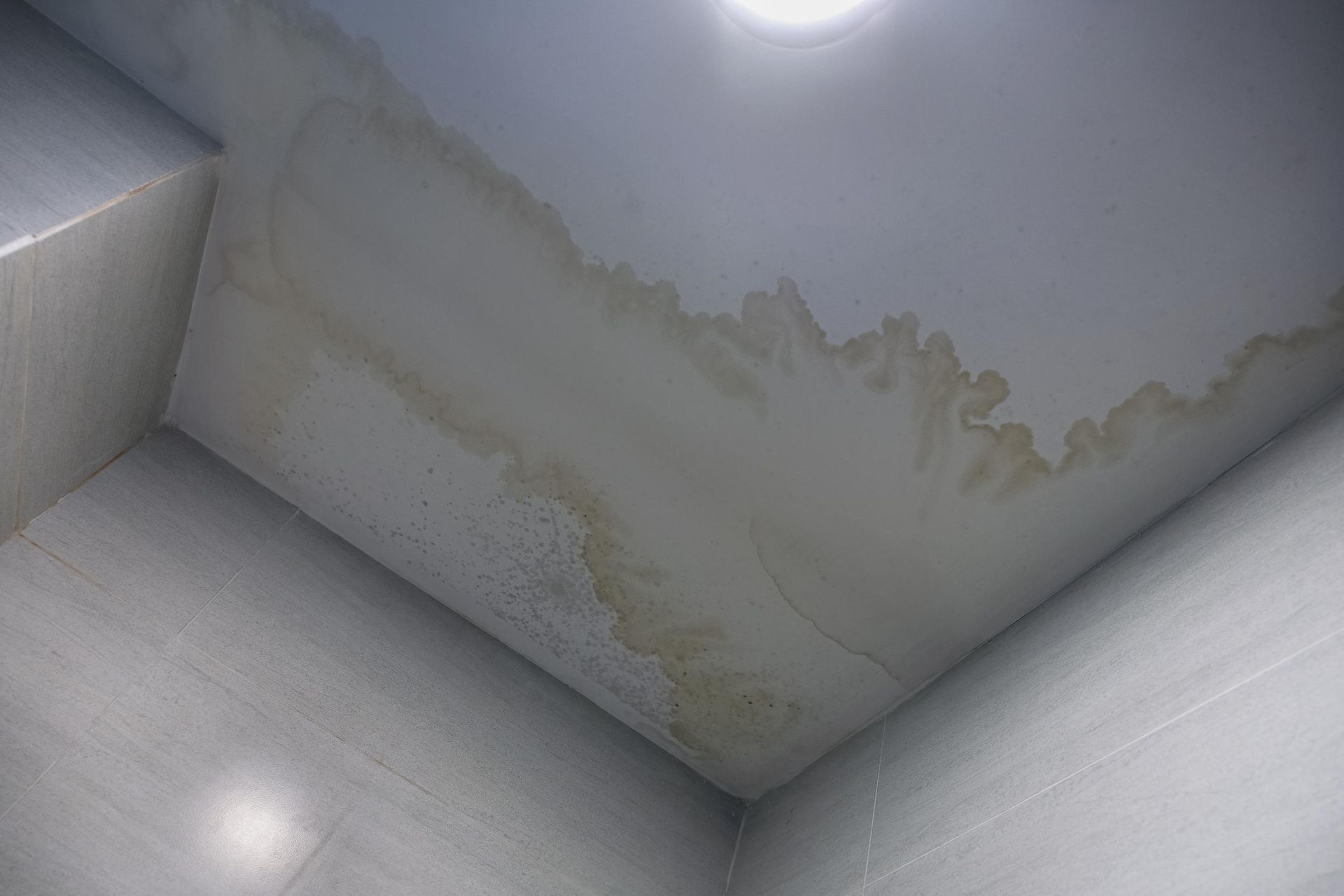
A flat roof may look calm and uncomplicated from the curb, but when a leak shows up inside your home, it quickly becomes the only thing you can think about. That small water stain on the ceiling? It is your roof asking for attention.
Flat roofs are designed to protect your home with a continuous, watertight membrane. When that membrane is compromised, repairs require precision and experience. This is not about spreading a little sealant and hoping for the best. It is about restoring the shield over your living space.
When that moment comes, don’t settle for a temporary fix. Turn to A1 Home Improvement for trusted flat roof repair services in Connecticut, where decades of hands-on experience, sharp attention to detail, and real pride in our work come together to bring your flat roof back to full strength and your peace of mind back where it belongs.
Starting with a Roof-wide Investigation
When you spot a leak, it is tempting to assume the problem sits directly above it. Flat roofs rarely cooperate that way. Water can travel beneath the membrane before it makes itself known.
Professionals begin with a full-surface inspection. They study seams, flashing, drainage points, and areas where water tends to linger. Inside your home, they trace moisture marks across ceilings and attic spaces to follow the water’s path.
Think of it as detective work for your roof. The goal is to uncover the true source, not just the symptom. Once the root problem is identified, the repair plan becomes clear and focused.
Knowing Exactly What Your Roof Is Made of
Flat roofs are not one-size-fits-all. Before any repair begins, professionals determine the specific system protecting your home.
Most residential flat roofs are built with:
- EPDM rubber membrane
- TPO single-ply membrane
- Modified bitumen
Each material responds differently to adhesives, heat, and weather exposure. Using the wrong repair method can cause patches to lift or seams to separate prematurely.
Experienced roofing contractors recognize your system right away and choose products designed to bond properly. The right match makes all the difference between a repair that lasts and one that fails.
Preparing the Surface with Care
A lasting repair starts with preparation. This step may not be glamorous, but it is where real durability begins.
Roofing crews clear away debris, remove deteriorated membrane, and clean the area thoroughly. If moisture has soaked into insulation beneath the surface, that section is carefully cut out and replaced. Covering trapped water would only allow hidden damage to continue spreading.
Once the surface is clean and dry, primers or bonding agents are applied according to manufacturer standards. This groundwork creates the ideal base for a strong, reliable seal.
Repairing Punctures and Tears the Right Way
Flat roofs can suffer punctures from storm debris, fallen branches, or even foot traffic. When professionals repair these spots, they restore the membrane as a complete barrier.
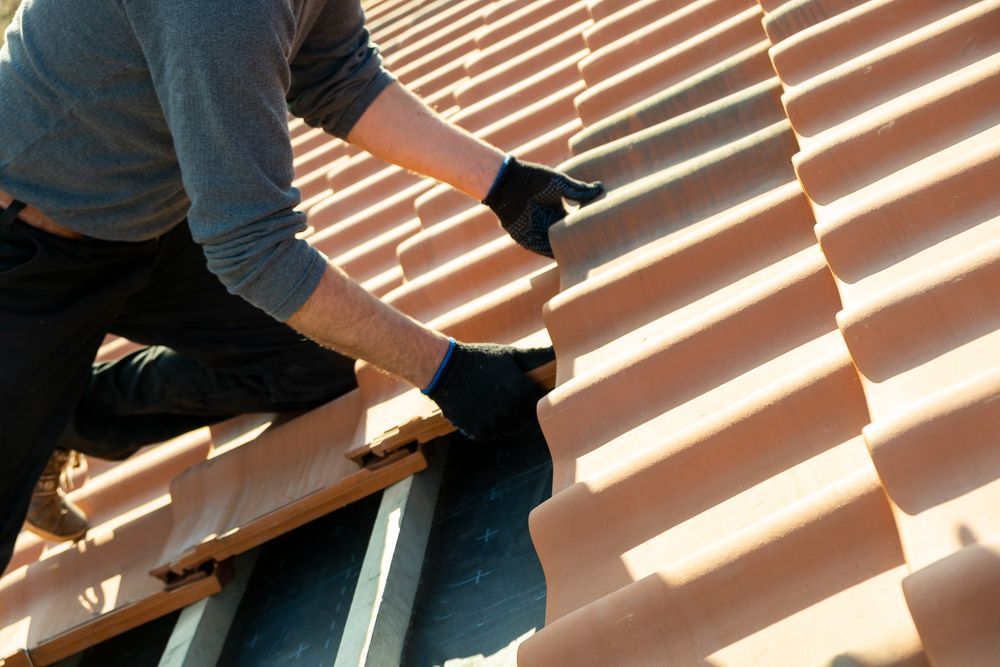
They install reinforced patches that extend beyond the damaged area, overlapping the surrounding material to form a tight seal. For systems like TPO, technicians use controlled heat to weld seams together, fusing new material seamlessly into the old.
It is not just about covering a hole. It is about rebuilding a continuous surface that stands up to rain and temperature changes.
Reinforcing Seams That Have Started to Separate
Seams are hardworking sections of any flat roof. Over time, shifting temperatures can cause expansion and contraction that weakens those joints.
Rather than applying a quick surface fix, professionals reopen the affected seam, clean it thoroughly, and re-bond or re-weld the membrane. In some cases, reinforcement strips are added to strengthen high-stress areas. This approach addresses the issue at its source and helps prevent repeat leaks during future weather cycles.
Restoring Flashing Around Vents and Edges
Anywhere your roof transitions, there is potential for trouble. Vent pipes, skylights, and edge flashing interrupt the smooth membrane surface.
Professional roofers carefully remove deteriorated flashing and replace it with compatible components. They reseal connection points and reinforce vulnerable transitions so water cannot slip behind the membrane.
These details may be small, but they play a powerful role in keeping your home dry.
Tackling Ponding Water Before It Causes Bigger Problems
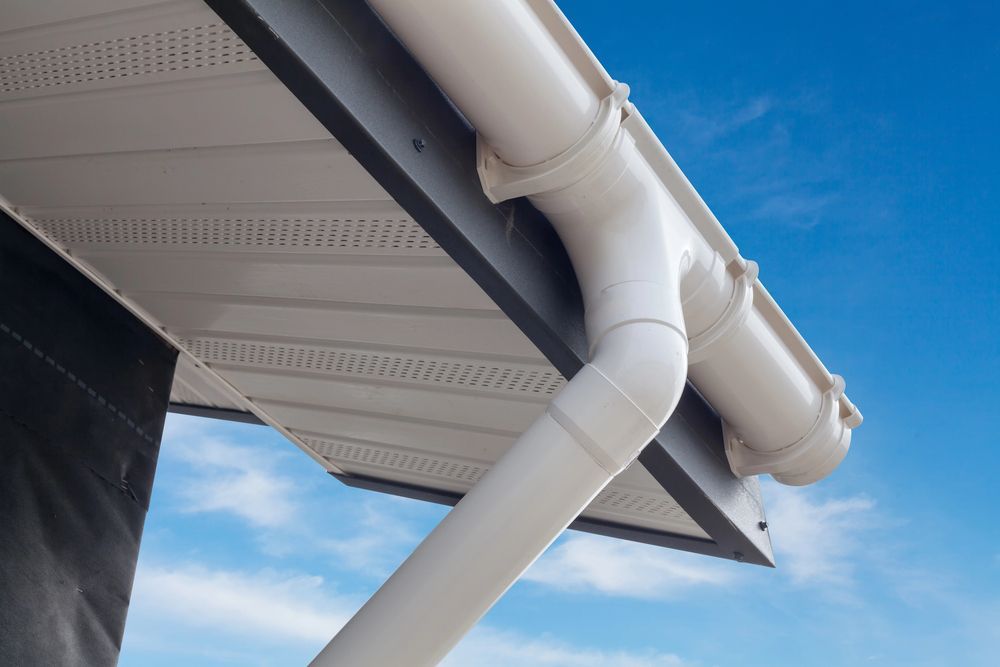
Flat roofs are built with slight slopes to guide water toward drains or scuppers. When drainage is blocked or slopes settle over time, water can pool and sit for days after rainfall.
Professionals correct ponding issues by:
- Clearing and repairing drainage systems
- Adjusting slope with tapered insulation when needed
- Reinforcing low spots that experience repeated water buildup
Standing water puts stress on seams and accelerates wear. Addressing drainage protects both repaired areas and the overall lifespan of your roof.
Finishing with a Final Quality Check
Once repairs are complete, professionals perform a thorough review. Seams are checked for uniform bonding. Flashing edges are inspected. Patches are examined to confirm smooth adhesion and full coverage.
This final walkthrough is about confidence. It confirms that your flat roof is once again functioning as a reliable protective barrier.
Why Do You Need Professional Flat Roof Repair?
A flat roof does not rely on gravity alone to shed water. It depends on flawless membrane integrity and carefully managed drainage. Even a small oversight can allow water to travel beneath the surface and cause hidden damage.
When you hire experienced residential roofing professionals, you are choosing a structured process built on knowledge and precision. From detailed inspection to targeted repairs, every step is designed to protect your home, not just quiet a leak.
Flat Roof Acting Up? Get Expert Roof Repair in Connecticut
At A1 Home Improvement, your home’s well-being is personal to us because we’re homeowners too. For more than three decades, our family-rooted team has been helping Connecticut residents keep their roofs strong and dependable through thoughtful inspection, expert repair work, and genuine care at every turn.
We combine over 30 years of roofing experience with friendly service from the first call to job completion. We’re proud to be recognized among a select group of Owens Corning Platinum Preferred Contractors in the state and backed by hundreds of positive customer reviews.
If your flat roof has been acting up or you simply want peace of mind,
reach out nowfor a no-pressure consultation and a clear picture of what your roof truly needs.
FREQUENTLY ASKED QUESTIONS
About Painting Vinyl Siding
Share this Post